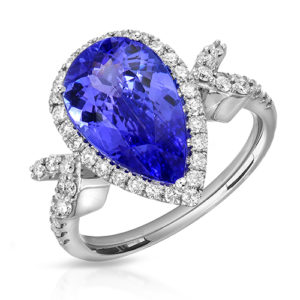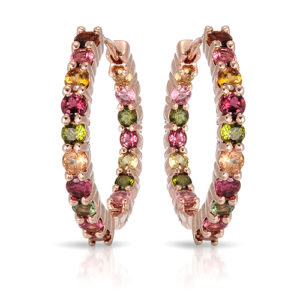
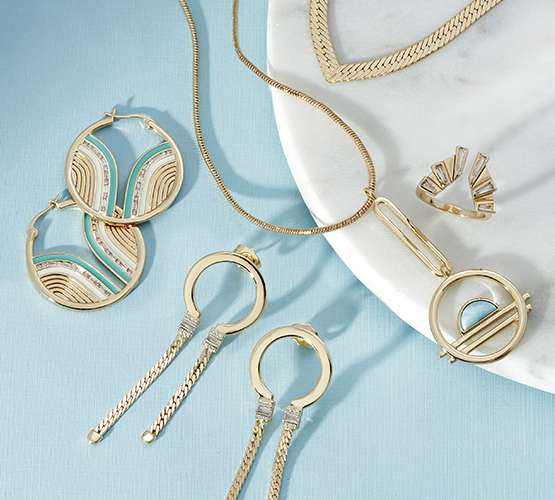
A diamond ring on a white background can prove what you sell. A ring resting naturally on a hand, catching warm window light beside a tailored sleeve, can make someone want it. That difference is the job of jewelry lifestyle photography: turning a product listing into a visual experience that communicates scale, personality, craftsmanship, and aspiration.
For jewelry brands, lifestyle imagery is not a replacement for clean e-commerce product photos. It is the imagery that gives those technical images a voice. It helps shoppers picture the piece in their own lives, whether they are buying an everyday gold chain, an engagement ring, a gemstone bracelet, or a statement pair of earrings.
Why Jewelry Lifestyle Photography Changes the Sale
Jewelry is small, reflective, and personal. Online shoppers cannot feel its weight, test a clasp, or see how a pendant sits at the collarbone. They also cannot easily judge proportion from a floating product image alone. Lifestyle photography fills in those missing details while giving your collection a point of view.
A close-up hand-model image can show whether a ring feels delicate, bold, stackable, or substantial. An on-model necklace image answers a practical question about length while showing how the metal and stones work with skin tone, clothing, and movement. A campaign scene can establish whether your brand belongs at a black-tie event, a casual brunch, a bridal appointment, or an everyday workday.
Those are commercial advantages, not just creative ones. When customers understand what they are viewing and can imagine wearing it, they have fewer reasons to hesitate. Strong imagery also gives retailers, marketplace sellers, and social teams more material to use across product pages, banners, email campaigns, print pieces, and launch announcements.
Product Photos and Lifestyle Images Have Different Jobs
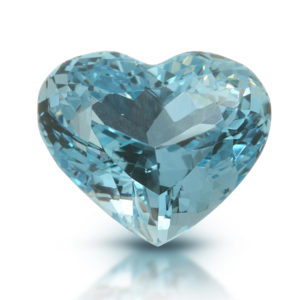
A smart jewelry image library uses both. Product photography should show the item accurately, consistently, and at high resolution. It needs to reveal gemstone detail, metal finish, engravings, closures, and construction without visual distraction. That is the image a customer studies before adding an item to the cart.
Lifestyle photography creates the first pull. It earns attention in a crowded social feed, establishes the mood of a homepage banner, and gives a collection a memorable identity. The strongest brands do not force one image type to do both jobs.
For a new collection, the right mix depends on your selling channels and price point. A high-volume e-commerce catalog may need a large set of consistent white-background images, supported by a focused lifestyle shoot for hero products and seasonal promotions. A designer releasing a small fine-jewelry collection may put more budget into editorial images that define the brand story. Both approaches work when the visuals match the business goal.
Scale is one of the biggest conversion benefits
Scale is especially important for jewelry because even detailed close-ups can be misleading. A three-carat-looking gemstone may be much smaller than a shopper expects. A bold cuff may appear delicate until it is shown on a wrist. Images with hand models or full models put the piece in context without requiring customers to guess.
This is also where styling matters. A close crop focused on the hand keeps attention on rings and bracelets. A neckline crop may be ideal for a pendant. Full-body images can work beautifully for campaign content, but they should not be the only way a shopper sees the jewelry. The product still needs to be visible enough to sell.
Start With a Clear Visual Goal
Before choosing props, models, or locations, decide what the images need to accomplish. “We need lifestyle photos” is a starting point, not a creative brief. A clearer objective might be introducing a bridal collection, making a product line feel more giftable, showing the scale of oversized earrings, or building premium banners for a redesigned website.
Your goal guides the entire production. If the priority is product clarity, the scene should be controlled and minimal. If the priority is a seasonal campaign, more atmosphere may be useful. If the images are intended for marketplaces, the lifestyle shots should support the required product-image sequence rather than compete with it.
A productive brief usually identifies the target buyer, where the images will appear, which pieces are highest priority, and what shoppers should feel. It should also state any non-negotiables: specific brand colors, a preferred model profile, jewelry combinations that must stay together, or crops needed for website banners and social formats.
Build the Scene Around the Jewelry
The most common mistake in jewelry lifestyle photography is letting the set become more interesting than the product. Flowers, glassware, fabric, architecture, and colorful surfaces can all add texture. But reflective stones and polished metals already create visual complexity. Every extra element should have a purpose.
Props work best when they reinforce the collection’s character. Natural stone, soft linen, polished wood, and restrained florals can complement organic gemstone collections. Structured surfaces, clean tailoring, and modern interiors may better suit architectural gold designs. For bridal jewelry, the story may call for elegant softness, but the ring should remain the visual center.
Lighting deserves the same discipline. Jewelry needs controlled highlights to look alive, yet uncontrolled reflections can hide facets, dull metal, or introduce unwanted colors. Professional lighting and retouching are what allow a scene to feel natural while keeping diamonds bright, gemstones true to color, and metal surfaces clean.
Styling should feel believable
Lifestyle does not mean random. A model’s wardrobe, manicure, makeup, and pose all influence the perceived value of the jewelry. A chipped manicure can undermine a luxury ring image. A high-neck blouse can obscure a necklace designed to sit at the collarbone. Busy prints may pull attention from delicate stones.
At the same time, overly formal styling can feel disconnected from an everyday collection. The best choice depends on your buyer. Fine jewelry may call for refined details and polished beauty styling. Affordable fashion jewelry may need energy, color, and approachable movement. The visual standard remains high in both cases, but the story changes.
Plan for Every Crop Before the Camera Comes Out
A gorgeous horizontal banner does not automatically become an effective vertical social post. A close-up designed for an email header may leave no room for website copy. Planning image use in advance saves reshoots and helps you get more commercial value from the same production day.
Ask for a range of intentional compositions: wide images with clean negative space for promotional text, vertical frames for social media, square options for grid posts, and close crops for product-category pages. If you sell through multiple channels, make a shot list that accounts for those requirements before production begins.
This is also the moment to prioritize. Not every item needs the same number of lifestyle frames. Put your strongest sellers, new launches, high-margin pieces, and signature designs at the center of the shoot. Supporting items can appear as layers or coordinated styling, giving the collection depth without stretching the schedule.
Consistency Makes Your Brand Easier to Recognize
One standout image is useful. A consistent visual system is far more valuable. When shoppers see the same thoughtful lighting, styling standard, color direction, and level of retouching across your website and marketing, the brand feels established. That trust matters, particularly when customers are considering high-value pieces from a seller they have not met in person.
Consistency does not mean every collection has to look identical. A holiday campaign can be richer and more celebratory than an everyday essentials launch. The connection should come from a recognizable quality level and a clear brand perspective, not from repeating the same props forever.
For growing catalogs, establish a practical image plan you can repeat. Decide which products receive clean detail photos, hand-model imagery, on-model images, and creative campaign shots. This makes budgeting simpler, creates a more organized storefront, and prevents a collection from looking pieced together over time.
Choose a Jewelry Specialist, Not Just a Nice Camera
Lifestyle jewelry work combines several disciplines: product handling, reflective-surface lighting, model direction, styling, color management, retouching, and commercial planning. A photographer can create a beautiful portrait and still struggle to make a small gemstone read accurately. Likewise, a technically sharp product shot may lack the energy needed for a campaign.
A jewelry-focused studio understands how to protect delicate pieces, preserve true gemstone color, manage glare, and make fine details visible without making the result look artificial. They can also help determine whether a hand-model session, a full lifestyle campaign, or a compact set of creative banners will produce the best return for your current needs.
TN Connections Inc. approaches these shoots as sales assets, not just pretty content. The goal is gorgeous imagery that makes your products easier to understand, easier to remember, and more compelling to buy, with professional retouching and production planning that keeps the process efficient.
The next time you prepare a collection launch, do not ask only whether the jewelry photographs well. Ask whether the images give shoppers a reason to stop, picture the piece on themselves, and feel confident taking the next step. That is where a carefully planned lifestyle shoot earns its place in your marketing budget.