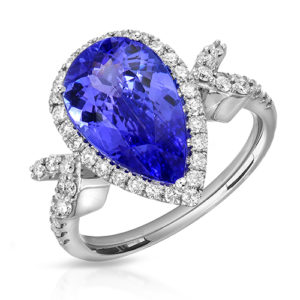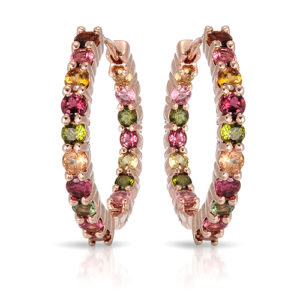
A diamond hoop can look impressive against a white background, but it becomes much easier to want when a shopper sees how it frames a face, catches light during movement, and fits into a real outfit. That is the sales advantage of jewelry on model photography. It turns a small product into something customers can picture wearing, gifting, and making part of their own story.
For jewelry brands selling online, that shift matters. Product-only photos answer essential questions about metal, stone, setting, and craftsmanship. Model images answer a different question: What will this look and feel like on me? Strong visual merchandising needs both.
Why Jewelry on Model Photography Converts
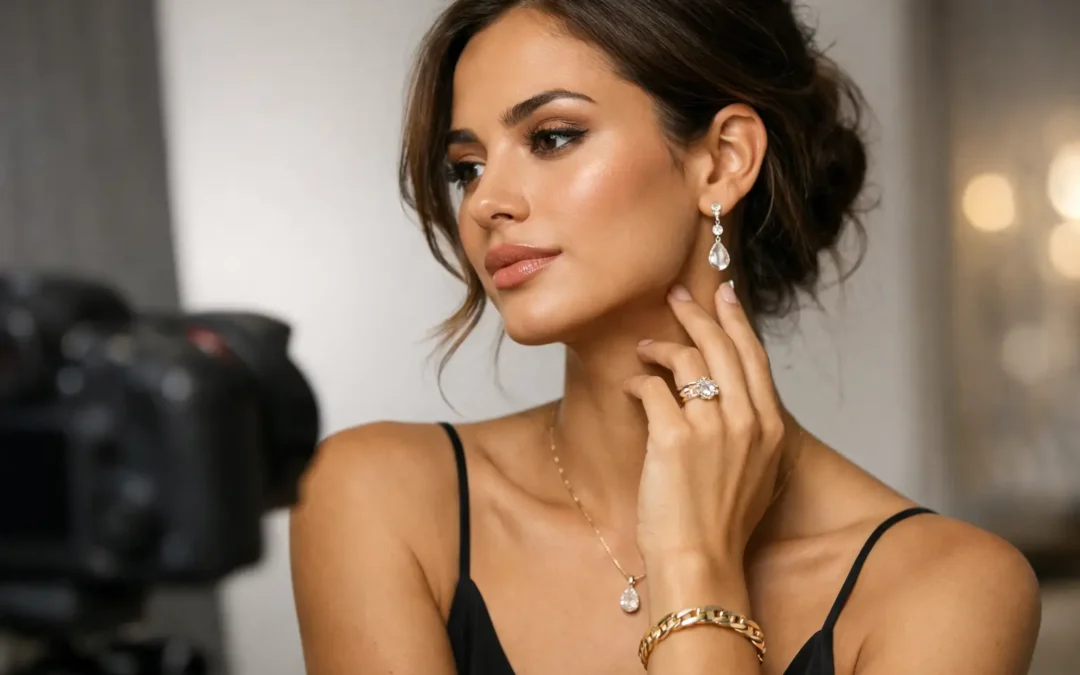
Jewelry is unusually difficult to judge from a product page. Shoppers may know an earring is 25 millimeters long or that a chain measures 18 inches, yet those numbers do not always create a clear mental image. A model provides immediate scale. A pendant sits against a collarbone, a ring reveals its profile on a hand, and a bracelet shows where it lands on the wrist.
The right image also gives jewelry personality. Minimal gold studs can read as polished everyday essentials. A statement cocktail ring can feel bold and celebratory. Fine gemstone pieces can suggest romance, heritage, or modern luxury depending on the wardrobe, pose, crop, and lighting. Those details help a collection feel intentional rather than like a catalog of disconnected items.
There is a practical trust benefit, too. When customers can see how a piece wears, they are better equipped to evaluate proportion and styling. That can reduce uncertainty before purchase, particularly for necklaces, earrings, rings, bracelets, and watches. The goal is not to replace clean e-commerce product photography. It is to give shoppers another layer of confidence before they add an item to their cart.
Start With the Job Each Image Must Do
Before selecting a model or building a set, decide where the images will appear. A close hand-model image for a product detail page has a different purpose than a wide lifestyle banner for a homepage. A social campaign may need vertical crops and more expressive movement, while a wholesale lookbook may call for consistent styling across an entire collection.
A useful shot plan usually includes a mix of close details and broader styling images. For earrings, that could mean a face-framing crop that shows size and sparkle, plus a wider portrait that demonstrates the overall look. For rings, show the top view, side profile, and a natural hand pose. Necklaces often need one image that clearly shows length and one that captures the piece in motion.
Plan for the channels you use most. If your store needs square images, do not rely only on tall editorial shots. If you sell through marketplaces with strict main-image rules, model photography may work best as supporting content rather than the lead listing image. This is one of the key trade-offs: a beautiful campaign image can build desire, but it cannot always carry every product-detail responsibility.
For growing catalogs, consistency deserves as much attention as creativity. Keep the color direction, crop style, skin tone retouching, jewelry scale, and lighting approach aligned from one launch to the next. A cohesive image library makes a brand look established and gives customers a more comfortable shopping experience.
Choose Models Who Support the Collection
The best model is not automatically the most recognizable face or the most dramatic look. The best choice is the person who makes the collection believable for its intended customer. A delicate bridal line may call for soft, refined styling. Contemporary silver jewelry might benefit from clean tailoring and a more directional pose. A colorful gemstone collection may need energy, warmth, and a wardrobe that lets the stones stand out.
Casting should account for more than appearance. Consider hand shape for rings and bracelets, ear visibility for earrings, neckline options for pendants, and comfort in front of the camera. Natural movement matters because stiff posing can make even beautiful jewelry feel less inviting.
Representation is also a commercial decision. Showing jewelry on a thoughtful range of models can help more shoppers see themselves in the brand. If budget limits a shoot to one model, choose styling and crops that maximize flexibility. A strong hand-model session, for example, can produce useful ring, bracelet, watch, and pendant detail imagery without requiring a full fashion production.
Style the Frame Around the Jewelry
Jewelry should remain the focal point, even in a lifestyle setting. Clothing, hair, makeup, props, and backgrounds should add context without competing for attention. A textured knit can complement a sculptural cuff, but a heavily patterned sleeve may hide it. A high neckline can work beautifully for earrings while making a short necklace difficult to see.
Think through color with the same care used for product lighting. Yellow gold often looks rich against warm neutrals, deep tones, and clean black. White metals and diamonds can pop against saturated color or carefully chosen soft backgrounds. Gemstones need enough contrast to show their true character without creating distracting color casts on reflective surfaces.
Hands require special attention. They should look relaxed, clean, and appropriately groomed, but not overly posed. Small adjustments make a major difference: loosen the fingers, keep knuckles from facing the lens when possible, and avoid hiding the focal stone. For hand-model photography, the image should feel like a real moment, even when every angle has been carefully controlled.
Light for Sparkle Without Losing Detail
Reflective metal and faceted gemstones do not behave like ordinary fashion accessories. They can turn dark, pick up unwanted reflections, or lose their fire if the lighting is not shaped precisely. A jewelry-focused photographer manages those challenges while still creating an image that feels effortless.
The aim is controlled brilliance. Diamonds and gemstones need highlights that reveal sparkle, while polished gold, platinum, and silver need clean reflections that describe their form. Too much broad light can flatten a piece. Too many sharp reflections can make it look busy or obscure the stone. The right balance depends on the cut, metal finish, design, and intended mood.
Focus is equally important. A shallow depth of field can create a luxurious editorial look, but it may leave a center stone or engraved detail too soft for a product page. For sales-focused images, the hero detail should be unmistakably sharp. A professional retouching process can refine skin, remove temporary distractions, and clean minor visual issues, but it should not alter the honest color, cut, or quality of the jewelry.
At TN Connections Inc, jewelry-on-model shoots are built around this balance: gorgeous imagery with the technical clarity brands need to sell confidently. The process can be tailored for a few signature pieces, a seasonal campaign, or a large collection that needs dependable consistency and fast turnaround.
Build a Deliverable Set That Keeps Working
A productive model shoot should create more than a handful of attractive images. Ask for crops and orientations that give your marketing team options. A single well-composed scene may provide a horizontal website banner, a vertical social image, a close product-detail crop, and a square promotional asset.
It is smart to leave some clean negative space in selected frames for text placement, especially if you regularly run promotions, launch announcements, or print ads. At the same time, avoid designing every image around copy. Some of the strongest jewelry photographs need room to breathe, allowing the craftsmanship and emotion to carry the message.
Request high-resolution final files and establish usage needs before production begins. Your image library should be ready for storefronts, marketplaces, email campaigns, social media, print materials, and jewelry-show displays. Clear expectations about retouching, delivery timing, file formats, and image selection prevent costly surprises after the shoot.
When a Model Shoot Is Not the First Priority
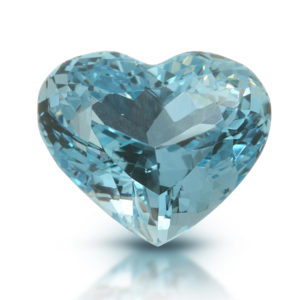
Jewelry on model photography is valuable, but it is not always the first asset a business needs. A new e-commerce seller with hundreds of SKUs may need clean, consistent product images before investing in lifestyle work. Gemstone dealers may require highly accurate close-up photography that emphasizes inclusions, color, and cut. A brand with limited inventory may get better results by photographing a small set of bestsellers exceptionally well rather than spreading a budget too thin.
The strongest approach is usually layered: precise product photos for clarity, model imagery for scale and desire, and creative campaign images for brand recognition. Start where your current sales process has the biggest gap, then build from there.
When shoppers can see the details, understand the fit, and feel the mood of the piece in one glance, jewelry stops being a tiny object on a screen. It becomes a decision they can picture making. Give your next collection imagery that makes that decision feel easy.