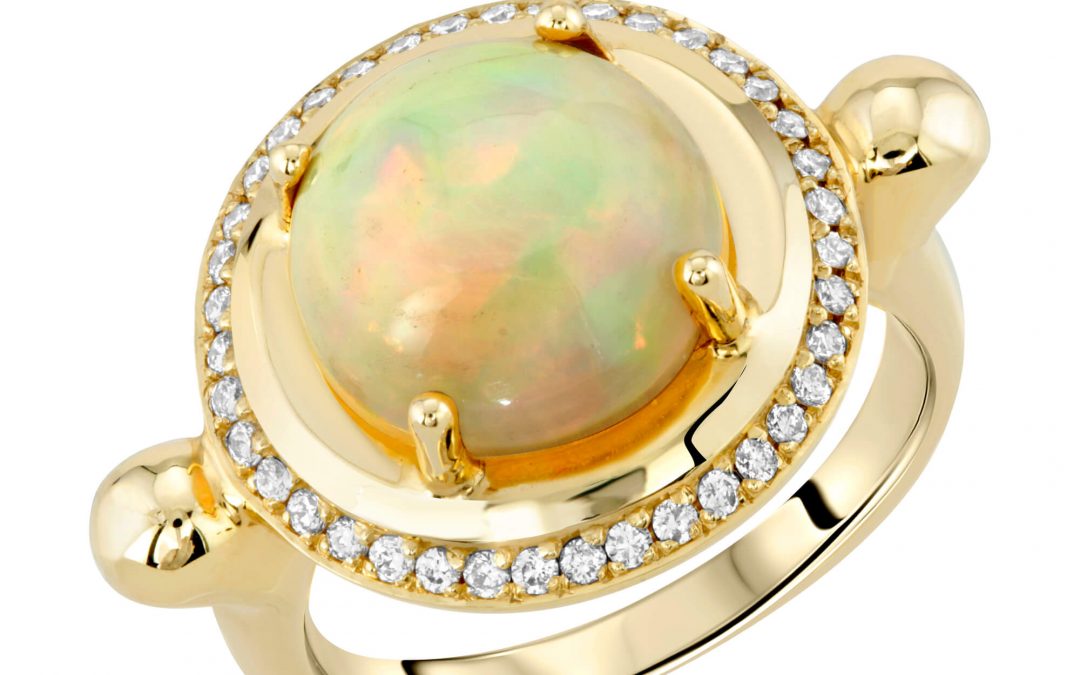
A diamond can look dull, a gold chain can lose its warmth, and a perfectly cut gemstone can appear flat when the lighting is wrong. That is why choosing a jewelry photography studio Los Angeles sellers can rely on is about much more than getting a product on a white background. Your images have to make a shopper stop, zoom in, trust what they see, and feel ready to buy.
For jewelry brands, designers, retailers, and gemstone sellers, photography is often the first real interaction a customer has with a piece. High-resolution imagery creates confidence in the craftsmanship, material quality, scale, and sparkle that cannot be communicated by a product description alone.
Why Jewelry Needs a Specialist Studio
Jewelry is one of the most demanding products to photograph. It is small, reflective, detailed, and often set with stones that react differently to every adjustment in light. A general product photographer may be able to photograph a box, bottle, or handbag beautifully, but rings, earrings, necklaces, and loose gems require a more refined process.
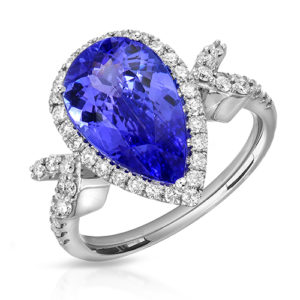
The challenge is controlling reflections without making metal look gray or lifeless. It is revealing the fire in a gemstone without creating distracting glare. It is making a pavé setting look crisp while preserving the natural shape and color of the piece. Even a tiny speck of dust, a crooked clasp, or an inaccurate metal tone can make an expensive item feel less valuable online.
A dedicated jewelry photography studio understands these details before the camera comes out. The production process should account for cleaning, precise positioning, controlled lighting, close-up capture, color management, and careful retouching. The goal is not to make the jewelry look artificial. The goal is to show it at its best while staying true to the product your buyer will receive.
What Great Jewelry Images Do for Sales
Online shoppers cannot hold a ring up to the light or feel the weight of a pendant. Your photographs have to do that work for them. Strong images reduce uncertainty by showing exactly what is being sold, from prong detail and stone clarity to texture, finish, and proportion.
For e-commerce, clean catalog images are the foundation. They keep a collection organized, make marketplace listings look professional, and help shoppers compare styles quickly. Consistency matters here. When every product is photographed with matching angles, backgrounds, framing, and color treatment, your store feels established and easy to shop.
But conversion is not only about technical clarity. Lifestyle banners, creative campaign photography, and jewelry-on-model images create desire. A close crop of an earring worn against the skin gives a customer a sense of size. A hand-model photograph can show how a ring sits on the finger. Editorial-style imagery gives a collection personality, whether your brand is minimal, bold, romantic, vintage-inspired, or fashion-forward.
The right mix depends on where and how you sell. A high-volume wholesale catalog may need efficient, uniform product views. A designer launching a limited collection may benefit more from a blend of detailed stills and campaign images. Most growing brands need both: images that answer product questions and images that make the collection memorable.
What to Look for in a Jewelry Photography Studio in Los Angeles
Los Angeles offers access to creative talent, models, stylists, and the Jewelry District, but location alone does not guarantee a better result. When evaluating a studio, ask to see work that looks like your inventory. A studio experienced with large fashion necklaces may not use the same approach needed for diamond studs, fine watches, translucent opals, or faceted loose gemstones.
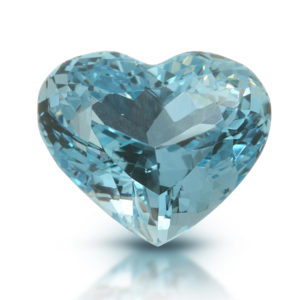
Look closely at metal color, stone detail, and retouching quality. Gold should retain its rich tone. Silver and platinum should look clean without turning blue or muddy. Gemstones should show their character rather than becoming bright, featureless spots. Edges, prongs, engravings, and chain links should be sharp where they need to be sharp.
Turnaround is another practical consideration. Jewelry businesses often work around launch dates, trade shows, wholesale deadlines, seasonal campaigns, and new inventory arrivals. Ask what delivery timeline is guaranteed, how revisions are handled, and whether the studio can support ongoing volume. Fast work is valuable, but only when it remains consistent from the first piece to the hundredth.
Pricing should also be clear. A low per-image starting price can make professional photography accessible for larger catalogs, but the final quote should reflect the actual scope of work. Complex gemstone imaging, creative sets, model shoots, video, and extensive styling require more production than standard product photography. The best partner explains the difference upfront so you can plan the project with confidence.
Product Photography, Models, and Video Each Have a Job
A strong jewelry library is not one image repeated in different crops. Each visual format should serve a specific sales purpose.
Standard still photography is your everyday selling tool. It belongs on product pages, marketplaces, line sheets, and digital catalogs. It should clearly show the front view, profile, back, clasp, setting, or any detail that could influence a buying decision. For certain pieces, close-up macro images are especially useful because they show craftsmanship shoppers may otherwise miss.
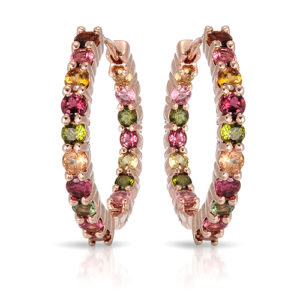
Model and hand-model photography add context. They help customers judge scale, fit, and styling potential. This is especially valuable for hoops, layered necklaces, bracelets, statement rings, and pieces with unusual proportions. A model shoot also gives your marketing team fresh images for social media, launch emails, paid advertising, and homepage banners.
Jewelry video brings movement into the story. A rotating pendant, a ring catching the light, or a gemstone showing flashes of color can communicate dimension in a way that still photography cannot. Video is not necessary for every SKU, especially in a large basic catalog. It can be a smart investment for hero pieces, higher-price items, new collection launches, and social-first campaigns.
Retouching Should Protect Trust, Not Replace the Product
Professional retouching is essential in jewelry photography, but it must be handled with judgment. Dust, tiny scratches from handling, thread, reflections of equipment, and minor distractions can be removed to create a clean, premium result. Color and exposure can be adjusted to accurately represent the piece.
What should not happen is changing the product until it no longer resembles the real item. Over-smoothed metal, exaggerated gemstone color, altered stone size, or erased natural inclusions can create disappointed customers and unnecessary returns. Fine jewelry buyers pay attention. They use zoom functions, compare images, and expect the item in the box to match the item on screen.
A good studio retouches with a sales mindset and an honest eye. The image should feel polished enough for a luxury brand while remaining a reliable representation of your merchandise.
Preparing Your Collection for a Better Shoot
The easiest way to protect your timeline is to prepare inventory before it arrives at the studio. Confirm that every piece is complete, cleaned, and labeled with the correct SKU. If a necklace has interchangeable lengths, a ring has a specific size, or a gemstone needs a particular orientation, provide those notes at the start.
It also helps to decide where the images will be used. A white-background marketplace listing has different requirements than a wide website banner or a vertical social post. Share brand references, preferred background tones, must-have angles, and examples of images you do not want. Clear direction gives the studio room to bring artistry to the work while keeping the final assets aligned with your brand.
For volume projects, create a shot list before production begins. It does not need to be complicated. Product name, SKU, quantity, required views, and special notes are usually enough to prevent confusion later.
A Los Angeles Partner for Growing Jewelry Brands
TN Connections Inc works with jewelry businesses that need more than attractive photos. The studio creates high-resolution product imagery, gemstone photography, model photography, lifestyle visuals, creative campaign assets, and jewelry video designed for online stores, marketplaces, social channels, print, and retail marketing.
For volume orders, professional jewelry photography can start at $12 per image, with customized quotes based on the pieces, formats, styling, and production needs involved. Every project benefits from specialist attention to sparkle, detail, retouching, and consistent presentation, along with dependable turnaround expectations and personalized service.
Whether you are building your first polished online storefront or refreshing a large catalog for a new season, the right images give your jewelry room to speak for itself. Start with the pieces customers need to see most closely, define the formats that will help them buy with confidence, and request a free quote before your next launch date gets too close.