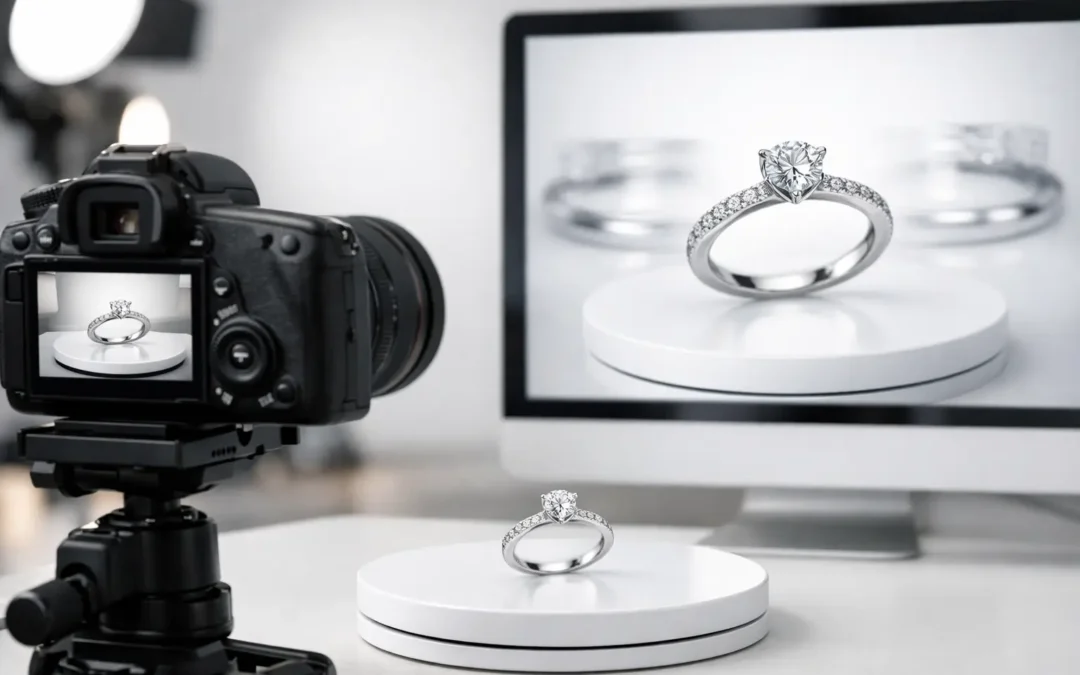
A 360 jewelry product video gives shoppers the view they wish they had at a jewelry counter: a chance to inspect the piece from every angle, watch light move across the surface, and understand its shape before they buy. For online jewelry brands, that added clarity can turn a beautiful product page into a more convincing selling experience.
Jewelry is small, reflective, and full of details that a single front-facing image cannot always explain. A rotating video can reveal the profile of a ring setting, the curvature of a bracelet, the clasp on a necklace, or the depth of a gemstone cut. When the production is done well, movement does not distract from the product. It makes the artistry easier to see.
Why a 360 Jewelry Product Video Builds Buyer Confidence
Online shoppers cannot pick up a pendant, feel a chain, or tilt a diamond toward the light. They make decisions based on what they can see and how confidently the product is presented. Standard product photography remains essential, but a 360-degree view answers different questions.
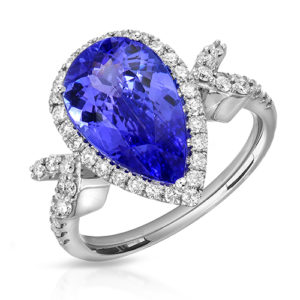
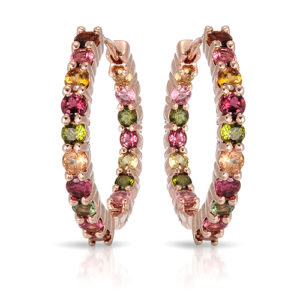
A customer looking at an engagement ring may want to see how high the center stone sits above the band. Someone shopping for hoop earrings may be checking the closure, thickness, and true shape. A buyer considering a tennis bracelet may want reassurance that the stones look consistent around the entire piece. These are small details, yet they often influence whether a shopper adds an item to the cart or keeps browsing.
Video also creates a stronger sense of material quality. Gold, platinum, pavé, polished metal, and faceted gems react to light in distinctive ways. A carefully lit rotation shows controlled sparkle and surface finish without making the piece appear washed out, overly bright, or inaccurate in color. That is especially valuable for higher-ticket items, where customers need more visual reassurance before making a decision.
For brands selling on their own site, marketplaces, social channels, or wholesale presentations, motion content gives a collection a more polished and premium feel. It signals that the business has invested in showing the product honestly and beautifully.
What Makes Jewelry Rotation Video Difficult
A jewelry video is not simply a product placed on a turntable. The same characteristics that make jewelry desirable also make it demanding to photograph. Highly polished metal reflects everything around it. Gemstones can produce hot spots, dark areas, or unwanted color shifts. Delicate prongs, engraving, and pavé settings need to remain sharp as the piece moves.
Lighting has to be designed around the specific item. A diamond ring needs controlled highlights that define its metal and bring life to the stones. A pearl necklace needs softer illumination to preserve its luster. Colored gemstone jewelry requires careful color management so the sapphire, emerald, tourmaline, or citrine looks accurate rather than artificially saturated.
Camera position matters just as much. If the lens is too low, a ring can look bulky. If it is too high, the setting profile disappears. If the rotation is too fast, shoppers cannot inspect details. If it is too slow, the video can feel static and take up unnecessary time on a product page. The goal is a smooth, intentional rotation that reveals the piece at a useful pace.
Professional retouching completes the process. Minute dust particles, thread supports, fingerprints, and distracting reflections can show up more clearly in video than in still photography. Clean finishing keeps attention on the design, not the production setup.
The right angle depends on the piece
There is no single camera angle that works for every item. Rings often benefit from a slight elevated perspective that shows the face, side profile, and shank as they rotate. Earrings may need a position that keeps both the front design and post or closure visible. Necklaces and chains can require different setups depending on whether the focus is the pendant, link detail, or overall drape.
That is why a studio should assess the product rather than force every SKU into the same treatment. Consistency across a catalog is valuable, but consistency should come from a clear visual standard, not from ignoring the distinct design of each piece.
When 360 Video Works Best in a Jewelry Catalog
A 360 jewelry product video is particularly effective for pieces with dimension, movement, or construction details that need more than a flat image. Statement rings, engagement rings, earrings with intricate settings, watches, bracelets, charms, pendants, and detailed chains are strong candidates.
It can also be a smart choice for new collection launches. A short, polished rotating clip gives your marketing team useful content for product pages, email campaigns, paid ads, social posts, and jewelry show displays. One professionally produced asset can support several selling channels while keeping the collection’s visual identity consistent.
That said, not every item needs a video. A basic stud earring, a very simple thin band, or a high-volume low-cost SKU may be better served by excellent still images if the budget needs to stay focused. Still photography is usually the foundation of an e-commerce catalog because it provides the clean hero images, detail views, and consistent thumbnails shoppers expect.
The strongest approach is often a combination: high-resolution stills for clear product information, a 360 view for selected hero products and complex designs, and model or lifestyle photography for scale and emotional appeal. Each format has a job. Using them together creates a more complete path from first impression to purchase.
How to Plan Video That Supports Sales
Start by deciding what the customer needs to understand about the item. Is the primary selling feature the gemstone brilliance, the setting profile, the scale of a pendant, or the craftsmanship of a hand-engraved band? That decision helps guide the lighting, angle, rotation, and final edit.
Next, organize pieces by collection and production priority. If you have a large catalog, it may make sense to begin with best sellers, new arrivals, high-margin items, and pieces that generate frequent customer questions. This lets you build a video library where it will have the most commercial value first.
Prepare every item before it arrives at the studio. Jewelry should be clean, inspected, and matched to the correct SKU. If a piece includes removable parts, special clasps, or a particular gemstone certification, note those details in advance. Good organization prevents mix-ups and speeds up catalog production.
It is also helpful to set brand standards early. Decide whether videos should appear on a white background, black background, or a custom color that supports your brand. White often works well for clean e-commerce presentation, while darker backgrounds can make certain polished metals and diamonds feel more dramatic. The right choice depends on your existing website, packaging, and customer expectations.
Keep the final file useful on mobile
Most jewelry browsing happens on a phone, where a heavy file can slow the page and a tiny video can hide the very details it is meant to show. The final asset should be clear enough to display craftsmanship, but optimized for practical web use.
Short rotations generally perform better than long clips. A simple full turn, presented at a consistent speed, is usually more useful than elaborate effects. Music, text overlays, and dramatic transitions may have a place in a social campaign, but the core product-page version should keep the jewelry front and center.
Ask for file dimensions and formats that match where the video will be used. Your website product pages, marketplace listings, Instagram posts, digital ads, and in-store screens may each have different requirements. Planning those needs at the start can prevent extra editing later.
Pair Movement With Accurate Still Photography
Video creates energy, but it should not replace close-up stills. Shoppers still need a sharp hero image, detailed views of important features, and images that make comparison easy across a collection. Search results, category pages, printed materials, and marketplace grids also rely heavily on still photography.
Think of the rotating video as the proof behind the promise. Your hero image earns attention. Detail photography explains the product. The 360 view helps a shopper feel confident that there are no surprises when the jewelry arrives.
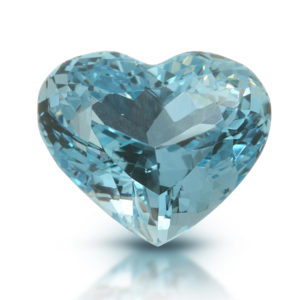
For gemstone sellers, this balance is especially important. Video can show liveliness and light performance, while high-resolution gemstone photography can document inclusions, cut, color, and shape with greater precision. A thoughtful visual set respects both the emotional and technical sides of the purchase.
Make Every Angle Earn Its Place
A rotating jewelry asset should feel as refined as the piece itself. When lighting, camera work, retouching, and file preparation are handled with care, video gives customers a closer look without asking them to imagine the details.
TN Connections helps jewelry businesses create gorgeous imagery and dynamic product video with the speed, consistency, and personalized service a growing catalog requires. Choose the pieces that deserve a closer look, prepare them with a clear visual goal, and let every angle give your customer one more reason to buy.