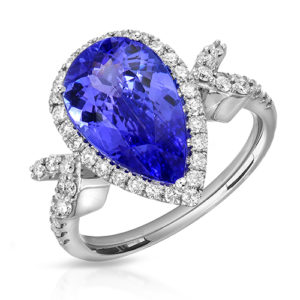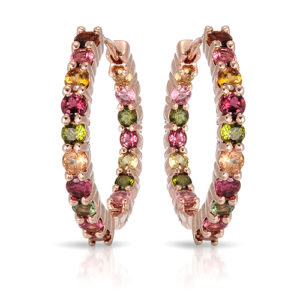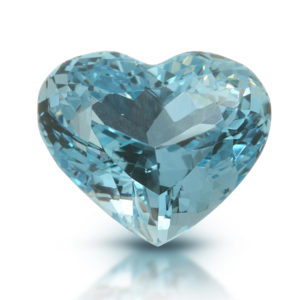
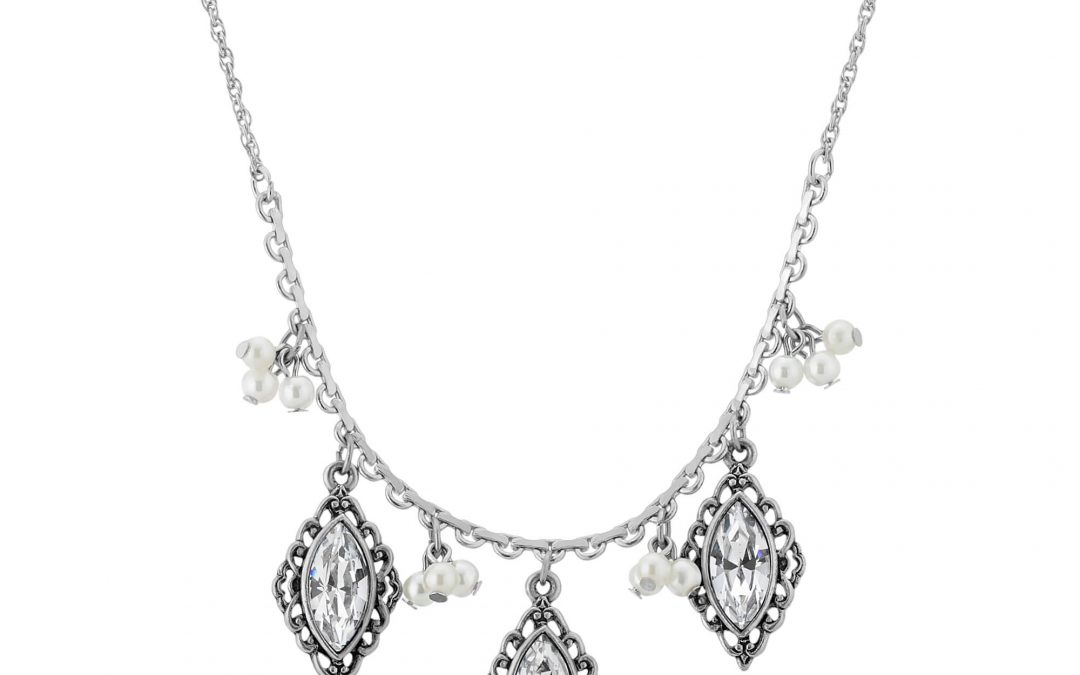
A shopper cannot feel the weight of a gold chain, turn a ring toward the light, or inspect a gemstone’s setting through a screen. They make a decision from what they can see. That is why ecommerce jewelry images are not simply catalog requirements. They are the closest thing your online store has to a sales associate holding the piece in front of a customer.
For jewelry sellers, a weak image can make a beautiful piece look flat, dull, oversized, or questionable. A polished image does the opposite: it shows craftsmanship, gives context, and makes the shopper feel comfortable moving from admiration to purchase. The goal is not to make every piece look artificially perfect. It is to present it accurately, beautifully, and consistently enough that your brand earns trust at first glance.
What Ecommerce Jewelry Images Need to Accomplish
Jewelry is one of the most demanding product categories to photograph. Metal reflects everything around it. Faceted stones can turn black, washed out, or colorless under the wrong light. Fine prongs, pavé details, engravings, and chain links need to remain sharp without looking overprocessed.
At the same time, e-commerce images must answer the questions shoppers ask silently: What does it really look like? How large is it? What color is the stone? Is the finish smooth? How will it sit on a hand, ear, neck, or wrist? Every image should reduce uncertainty while preserving the sparkle and emotional appeal that made the customer stop scrolling.
The best image set usually serves two jobs. Clean product photographs help a buyer inspect the item. On-model and lifestyle photographs help that buyer imagine owning it. One creates confidence in the product; the other creates desire for the product. A store that relies on only one format often leaves sales potential on the table.
Start With a Consistent Product Image Foundation
Your primary product image has a practical job: present the piece clearly and consistently across your catalog. For most stores and marketplaces, that means a carefully prepared piece on a clean white or neutral background, photographed at an angle that shows its defining design features.
Consistency is more valuable than many jewelry brands realize. When every ring is photographed at a different scale, every necklace has a different background tone, and every gemstone is edited differently, the collection feels less organized. Shoppers may not identify the problem consciously, but they notice the lack of polish. A consistent visual system makes a small independent line look established and helps larger catalogs feel easier to browse.
This does not mean every item needs the exact same crop. A delicate stud earring and a wide statement cuff require different framing. It means the lighting approach, background treatment, color standard, shadow style, and overall level of retouching should feel connected. The images should look like they belong to the same brand.
Show the Angles That Answer Buying Questions
A single front-facing image is rarely enough for jewelry. A ring may need a top view to show the center stone, a side view to reveal the gallery and setting height, and a close detail to show pavé or engraving. Earrings benefit from front and profile angles, especially when the shape or closure matters. Necklaces often need a full-length view, a pendant close-up, and an image that shows the chain texture.
The right number of images depends on complexity and price point. A simple pair of hoops may need only a few strong views. A high-value engagement ring, heirloom piece, or intricate gemstone design deserves a fuller visual story. More images are useful only when each one gives the shopper new information. Repeating nearly identical frames can make a product page feel padded rather than persuasive.
Keep Color Honest
Gemstone color is a major trust issue. Customers buying sapphire, emerald, tourmaline, opal, or colored diamond jewelry are often highly attentive to hue, saturation, transparency, and cut. Editing should correct the limitations of the camera and lighting, not invent a color that is not there.
A professional jewelry retouching process can remove dust, fingerprints, minor distractions, and unwanted reflections while maintaining the character of the stone and metal. This balance matters. Excessive retouching may create an eye-catching thumbnail, but it can also lead to disappointment, returns, and difficult customer-service conversations when the delivered piece does not resemble the listing.
Use Scale to Make Jewelry Easier to Buy
Scale is one of the biggest missing pieces in online jewelry listings. A two-carat pendant and a small charm can look nearly identical in a tightly cropped product photograph. A wide band can look delicate without a hand or finger for context. Measurements in a product description are necessary, but they are not as immediate as a well-executed model image.
Hand-model photography is especially effective for rings, bracelets, and smaller pendants. It lets buyers understand proportion while adding a human, aspirational quality to the page. Jewelry-on-model photography does the same for earrings and necklaces, showing how a piece catches light and where it sits when worn.
The styling should support the jewelry rather than compete with it. Hands should be well groomed and poses should feel natural. Wardrobe, makeup, props, and backgrounds should reflect the intended customer and price point. A minimalist gold collection may call for clean, quiet styling; a colorful fashion line may benefit from bolder movement and personality. There is no universal model look. The decision should follow your brand and buyer.
Plan Images for Every Selling Surface
Your website may allow multiple detailed images, zoom tools, editorial banners, and video. Marketplace listings often have strict technical requirements. Social media rewards movement, close details, and images with a fast visual impact. Email campaigns need horizontal or vertical compositions that leave room for copy. Print requires files that hold up at larger sizes.
That is why a photo shoot should be planned as an asset production day, not just a day to photograph SKUs. Before the first piece reaches the set, identify where the images will be used and which crops will be needed. A well-planned shoot can provide clean e-commerce shots, alternate angles, hand-model views, campaign images, and short motion assets from the same collection.
This approach is often more cost-effective than returning to the studio every time a new sales channel needs a different format. It also protects visual consistency as your brand expands. TN Connections Inc works with jewelry businesses on both individual product needs and volume catalogs, helping turn one organized production process into assets ready for storefronts, marketplaces, social campaigns, and print.
Do Not Treat Video as an Extra
Still images remain essential, but video solves a problem that photos cannot fully solve: movement. A slow turn of a ring can reveal the setting depth. A necklace moving against skin shows drape and scale. A gemstone rotating under controlled light can display fire, brilliance, and changing color more naturally than a single frame.
Short product videos do not need elaborate production to be useful. A clean rotation, a close-up of a clasp, or a hand wearing a stack of rings can give a shopper the final reassurance needed to buy. For premium pieces, video can be particularly valuable because it helps communicate material quality and design detail without relying on exaggerated claims.
Prepare Products Before the Camera Comes Out
Even excellent lighting cannot fix a piece that arrives tangled, dusty, or missing a stone. Product preparation saves time, protects your schedule, and improves the final result. Inspect every item before the shoot. Check clasps, straighten chains, remove protective film, and make sure stones are secure. Group products by type and note special details that must be shown, such as hallmarks, adjustable lengths, hidden closures, or reversible designs.
For larger catalogs, use a clear SKU system. Each piece should be labeled and tracked from intake through photography and final delivery. This sounds operational, but it directly affects your storefront. When filenames, products, and variants are organized correctly, uploading becomes faster and the risk of assigning an image to the wrong item drops significantly.
Measure Results Beyond Likes
Gorgeous imagery should earn attention, but e-commerce photography has business goals. Watch product-page conversion rate, add-to-cart rate, time spent on product pages, returns, and customer questions. If shoppers repeatedly ask about size, add a model image or a clearer scale reference. If returns mention color differences, review the color workflow and product descriptions. If a collection gets traffic but few purchases, the gallery may not be answering enough practical questions.
Photography is not the only reason a product sells or stalls. Pricing, reviews, shipping, descriptions, and brand reputation all matter. But visual presentation is often the first signal of quality, especially when shoppers are comparing similar pieces from several sellers. Strong photography gives the rest of your selling effort a better chance to work.
The most effective jewelry image strategy is one that makes buying feel easy while keeping the product exciting. Give shoppers the crisp detail they need, the scale they want, and the sparkle that made you create or source the piece in the first place. When your imagery does that consistently, every product page can work harder for your brand.