A gemstone can be exceptional in person and still look flat, overly dark, or artificially saturated online. Gemstone photography solves that problem by showing buyers the qualities they are actually trying to assess: body color, cut, transparency, facet pattern, brilliance, inclusions, and size. The goal is not to make every stone look identical. It is to produce an accurate, appealing image that gives a customer confidence to inquire, add to cart, or compare stones without hesitation.
For gemstone dealers, jewelry designers, and e-commerce sellers, photography is part of the sales process. A buyer who cannot judge color or see the cut clearly is far more likely to move on. Careful lighting, controlled reflections, consistent angles, and thoughtful retouching make the difference.
Why gemstone photography is harder than it looks
A loose gemstone is a small optical object, not simply a colorful product on a white surface. Light enters the stone, bends through the material, reflects from internal facets, and returns toward the camera in unpredictable ways. Move a light source by a few inches and a sapphire may shift from richly blue to nearly black. A diamond can lose its fire. An emerald may show distracting surface reflections that obscure its jardin.
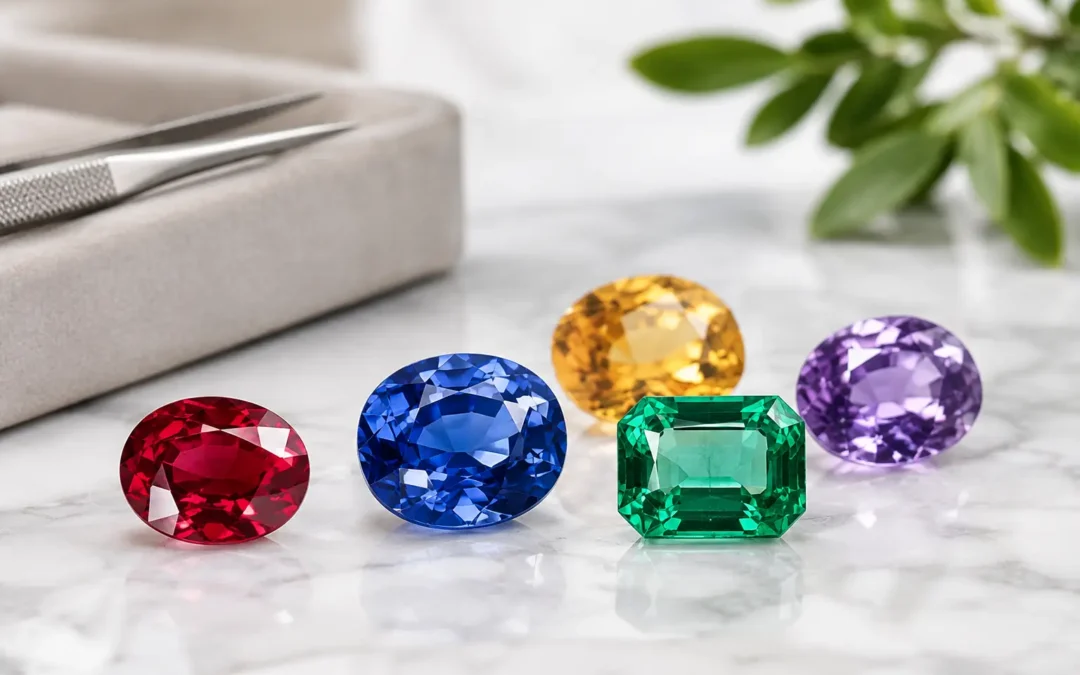
Color is the first challenge. Gemstones have a body color, but they also react to their surroundings. Blue stones can pick up warm or cool casts. Highly reflective pale stones can mirror the camera, lens, or studio environment. Transparent stones may look washed out against white, while darker gems can disappear against black. There is no single lighting setup that works equally well for every material.
Scale creates another issue. Macro photography reveals every dust particle, fingerprint, abrasion, and prong mark. At the same time, it can exaggerate the apparent size of a stone if the image does not include clear dimensions or a scale reference. A strong catalog uses consistent crops and angles so shoppers can compare pieces honestly.
The lighting decisions that shape a gemstone image
The right setup depends on whether the stone is loose, mounted, faceted, cabochon-cut, opaque, transparent, or highly included. A bright, even setup may be right for a commercial catalog, while a luxury campaign image may call for more dimensional contrast and controlled shadow.
Showing true color without making stones look dull
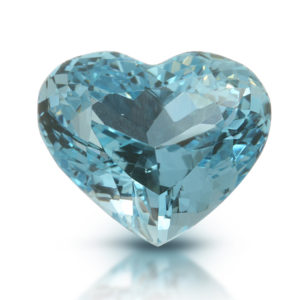
Even illumination is useful, but flat light can remove the depth that makes a colored stone desirable. We generally balance broad, soft light for readable color with smaller, precisely positioned accents that define facets and create life. The amount of contrast depends on the stone. A pale aquamarine often needs separation from its background; a deep ruby needs carefully placed light to avoid closing up into an indistinct red-black shape.
Accurate color also depends on a controlled capture and editing process. White balance, monitor calibration, and consistent color handling matter, especially when a collection includes multiple stones that should appear related without being falsely matched. Retouching can correct an unwanted cast or a distracting reflection. It should not turn a natural green tourmaline into an emerald or conceal material characteristics that a buyer has a reasonable expectation to see.
Capturing brilliance, fire, and facet definition
Brilliance is not created by turning up exposure. In fact, overexposure often erases the facet detail that gives a gem its visual value. Diamonds, spinel, sapphire, moissanite, and other faceted stones need directional highlights that reveal the cut while preserving detail in bright areas.
A stone may require several exposures or subtle light adjustments to show both its overall form and its livelier flashes. The final image should feel luminous, not artificially glittery. For luxury and high-value inventory, this restraint matters. Sophisticated buyers quickly recognize images that have been pushed too far.
Controlling reflections in mounted jewelry
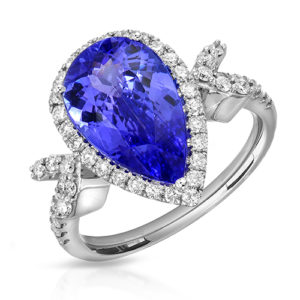
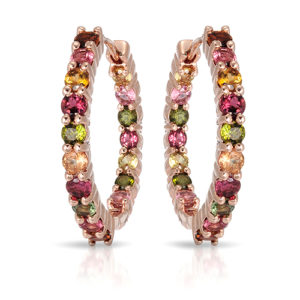
When a gemstone is set in gold, platinum, or silver, the stone cannot be photographed in isolation. Metal reflections can create color contamination, dark shapes, and bright hotspots around the setting. The challenge is to show crisp metal edges while keeping the gemstone readable.
This is where jewelry-specific lighting earns its value. A ring may need a completely different approach from a loose stone, even if both feature the same gem. We control the reflection shape across the metal, then build the gemstone lighting around the piece rather than treating it as a generic product shot.
Essential image angles for loose stones and jewelry
One image rarely answers every buyer question. The best image set is determined by the selling channel, the stone type, and how much a customer needs to inspect before purchasing. A wholesale dealer may prioritize consistent top views and clear measurements. A designer selling one-of-a-kind pieces may need more detail views and a more art-directed presentation.
| Image type | What it shows | Best use |
|---|---|---|
| Face-up view | Color, outline, facet pattern, overall appeal | Product pages and inventory catalogs |
| Side or profile view | Depth, pavilion, girdle, mounting height | Loose stones and rings |
| Detail macro | Inclusions, texture, setting craftsmanship | Luxury sales and high-value listings |
| Scale image | Relative size on hand, ear, or neck | Consumer e-commerce and social content |
| Creative campaign image | Mood, rarity, and brand identity | Launches, advertising, and editorial |
For everyday catalog photography, a clean white-background face-up image, side view, and close detail are often enough. For premium collections, add images that show the jewel on a hand or model. On-model photography gives buyers an immediate understanding of proportion, wearability, and personality that a macro image cannot provide.
Retouching should refine, not rewrite, the stone
Professional retouching is necessary in gemstone photography because high magnification exposes things the human eye barely notices. Dust, lint, minor handling marks, and temporary surface residue are common. Removing those distractions creates a polished final image.
The line is crossed when editing changes the material truth. A responsible approach preserves meaningful inclusions, natural color variation, and the actual relationship between the gem and setting. The degree of retouching should be aligned with the product and the audience. A luxury advertising image can receive more detailed cleanup and compositing than a large wholesale catalog, where speed and visual consistency may be the primary need.
For recurring collections, image matching is just as valuable as individual retouching. Background tone, crop, shadow direction, stone position, and metal appearance should remain consistent across the catalog. A polished product grid makes a store feel organized and trustworthy. Inconsistent images make even strong jewelry look less considered.
Choosing the right style for your sales channel
White-background gemstone images are usually the foundation for Shopify stores, marketplaces, product feeds, and wholesale line sheets. They are clear, flexible, and easy to use across channels. For volume work, a repeatable setup also supports predictable production and accessible per-image pricing.
Creative images have a different job. They create desire, establish a visual point of view, and give designers material for banners, social campaigns, and launches. They can be especially effective for unusual cuts, exceptional color, heirloom stones, and collection storytelling. The trade-off is that creative photography should complement, not replace, the straightforward product images buyers need to evaluate an item.
Video is worth considering when movement adds useful information. A short rotating gemstone video can reveal scintillation and color shifts that still photographs cannot fully communicate. It is particularly effective for diamonds, highly faceted gems, and pieces where depth is part of the appeal. For a large catalog of lower-priced items, however, investing first in consistent still photography may deliver the stronger return.
Preparing gemstones for a smoother shoot
Clean, well-organized inventory moves faster and photographs better. Stones should arrive identified by SKU, with dimensions, carat weight, and any special handling instructions. If a stone has a color designation that is critical to the listing, share it before production. That context helps the photographer prioritize faithful representation rather than making assumptions from a reference image.
For mounted jewelry, inspect prongs, fingerprints, loose threads, and packaging residue before sending pieces to the studio. A careful pre-shoot check reduces avoidable retouching and keeps production on schedule. If you need images to match an existing catalog, provide sample files and specifications for crop, background, file size, and angles.
In our Downtown Los Angeles Jewelry District studio, TN Connections photographs loose gemstones and gemstone jewelry with lighting tailored to each material and sales objective. We work with local Southern California clients as well as nationwide mail-in projects, from meticulously art-directed luxury collections to high-volume e-commerce catalogs with qualifying pricing starting at $12 per image.
A gem does not need exaggerated editing to command attention. It needs honest color, intentional light, and enough detail for the right buyer to see why it is worth choosing. Request a free quote with your stone count, product types, and intended sales channels, and plan the image set around how your customers actually shop.