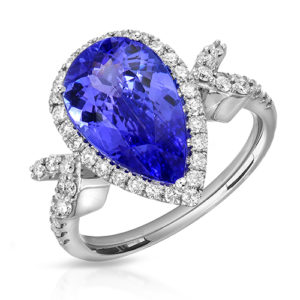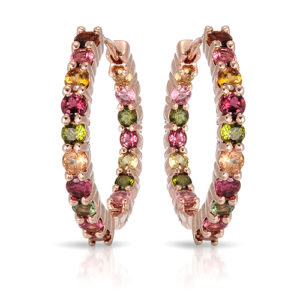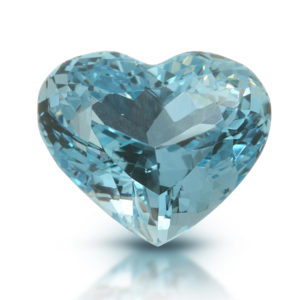
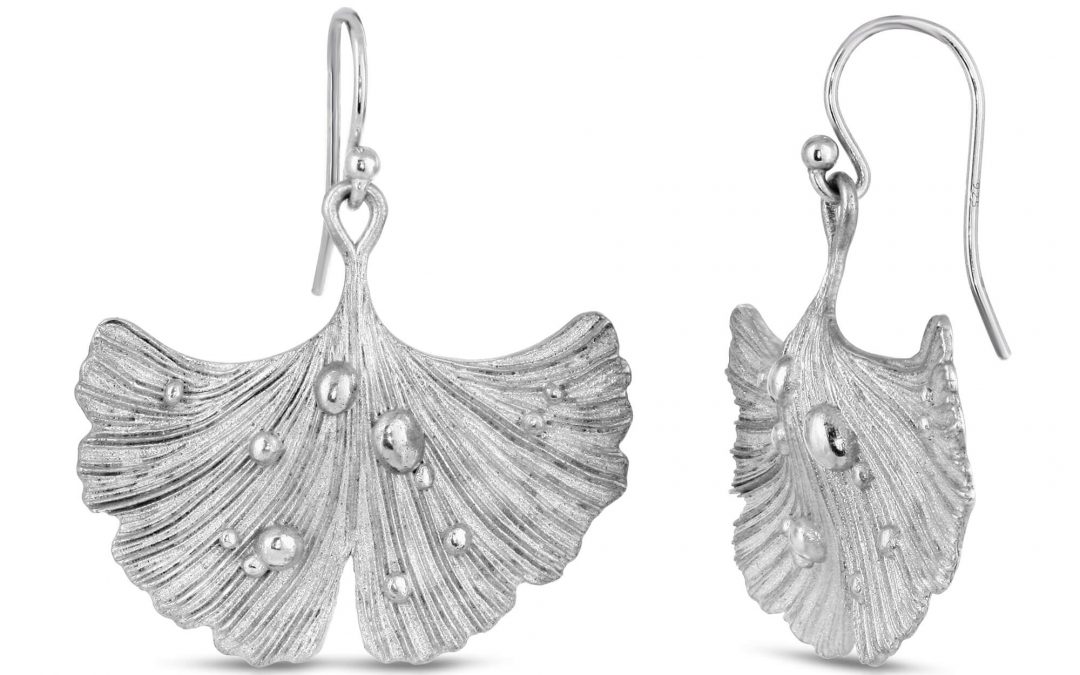
A diamond can look cloudy from one misplaced reflection. A polished gold band can appear scratched when the camera catches a highlight too sharply. For jewelry sellers, these are not minor visual issues. They can make a carefully made piece look less valuable, less refined, or simply unlike the product a customer receives. High resolution jewelry image retouching is the finishing process that turns strong jewelry photography into clean, accurate, sales-ready imagery.
The goal is not to make jewelry look artificial. The goal is to show the piece at its best while preserving the details that make it real: the cut of the stone, the polish of the metal, the texture of an engraving, and the precise shape of every prong. When shoppers cannot hold a ring or examine a gemstone in person, your images must do that work for them.
Why Jewelry Needs Specialized Retouching
Jewelry is one of the most demanding product categories to photograph and edit. Its surfaces reflect everything around them, including lights, camera equipment, dust, fingerprints, and the studio itself. A single pendant may combine mirror-like metal, translucent stones, tiny pavé settings, soft pearl luster, and dark recessed details. Each material responds differently to light and requires a careful editing approach.
A general product retouching workflow can easily flatten those differences. Over-smoothing gold removes its natural dimension. Too much sharpening creates halos around gemstones and prongs. Aggressive color correction can change the character of a sapphire or make rose gold appear orange. High-end jewelry imagery needs a retoucher who understands when to refine a flaw and when to leave a real material detail intact.
That distinction matters commercially. Clean imagery helps a customer feel confident about the quality of a piece before adding it to a cart. Consistent images also make a catalog feel more polished, whether it appears on a branded website, a marketplace listing, a social campaign, or a printed lookbook.
What High Resolution Jewelry Image Retouching Includes
The best retouching begins with a well-lit, high-resolution source image. Editing can improve an image dramatically, but it cannot recreate fine details that were never captured in the first place. For this reason, professional jewelry photography and retouching should work as one connected process rather than as separate steps.
Cleaning Dust, Smudges, and Distractions
Even carefully handled jewelry collects dust and fingerprints. At close magnification, a tiny particle can look like a large blemish on a stone or metal surface. Retouching removes those temporary distractions while protecting the authentic edges, facets, and textures of the piece.
This is especially valuable for diamond jewelry, polished silver, high-karat gold, and macro gemstone photography. A clean image should still retain believable surface character. Jewelry that looks too perfectly airbrushed can lose its sense of craftsmanship and depth.
Refining Metal Without Erasing Its Shape
Metal is defined by reflections. Those bright and dark transitions show that a chain is round, a ring has thickness, or a bracelet has a smooth, premium finish. Retouching controls distracting reflections while preserving the tonal transitions that give jewelry form.
For example, a silver ring may need a dark reflection removed from its shoulder, but the retoucher should retain enough contrast to show its curvature. Yellow gold needs warmth without becoming overly saturated. White gold and platinum need a clean, bright appearance without looking blue or gray. The right result feels elegant and natural, not digitally painted.
Bringing Out Gemstone Detail
Gemstones require both technical precision and restraint. Retouching can clarify a stone’s facets, improve its visible brilliance, and remove dust that interferes with the cut. It can also balance color so the stone presents consistently across a full collection.
However, gemstone editing should never misrepresent what is being sold. A retoucher can reveal the sparkle already present in a well-photographed diamond, but should not invent a dramatic fire pattern that the stone does not produce. Likewise, colored stones should be corrected to reflect their true appearance under appropriate lighting, not pushed toward a more marketable but inaccurate hue.
For gem sellers, wholesalers, and identification professionals, accuracy is central to trust. For fashion jewelry brands, the priority may lean more toward visual energy and campaign consistency. The approach depends on how the image will be used and what the customer expects to see.
Correcting Color Across a Collection
A product page rarely contains one image in isolation. Customers compare similar rings, earrings, and necklaces side by side. If one yellow-gold item appears pale and another appears deep orange, the collection can look inconsistent even when the physical pieces match.
Professional color correction creates a dependable visual standard across product photography. It accounts for metal type, gemstone color, background requirements, and the way files will appear on common screens. This is particularly important for volume catalogs, where consistency helps shoppers compare products quickly and helps your brand look organized.
Creating Clean Backgrounds and Precise Edges
White-background jewelry images remain a staple for e-commerce, marketplaces, and line sheets. The background must be clean, but the edge of the jewelry must also remain crisp and natural. Poor clipping paths can leave visible fringes around fine chains, prongs, tassels, or transparent gemstones.
Detailed masking is one of the quiet signs of high-quality retouching. It allows a jewelry piece to sit cleanly on white, light gray, a branded color, or a custom campaign background without losing delicate details. For transparent stones and highly reflective metal, this work takes patience. Fast, automated cutouts are often not enough for luxury presentation.
Retouching for E-Commerce Versus Campaign Imagery
The intended use of an image should shape the retouching style. E-commerce photography needs clarity, consistency, and accurate product information. Shoppers should be able to see the setting, the scale, the clasp, the side profile, and the material without visual confusion. A clean front view may be ideal for the main listing, while close-up crops can highlight craftsmanship and stone detail.
Campaign imagery has more room for creative direction. A dramatic shadow, warm tonal treatment, colored background, or selective sparkle can support a collection story. Jewelry-on-model and hand-model images often receive additional skin cleanup, wardrobe refinement, and color grading so the final visual feels cohesive.
Both formats benefit from careful retouching, but they should not be treated as identical. A marketplace image must meet platform standards and answer product questions quickly. A homepage banner or social ad needs to create an emotional response within seconds. The strongest brands plan for both.
The Cost of Over-Retouching
More editing is not always better. Excessive retouching can create shiny metal that looks like plastic, diamonds with unrealistic starbursts, and skin tones that feel lifeless in model photography. It can also introduce inconsistencies between the image and the delivered product, which may lead to disappointed customers and returns.
A better standard is polished realism. The jewelry should look pristine, appealing, and worthy of attention, while remaining recognizable as the actual item a buyer will receive. This balance is particularly important for one-of-a-kind pieces, estate jewelry, natural gemstones, and handmade designs where individual characteristics are part of the value.
A Better Workflow for Jewelry Brands
Retouching is most efficient when it is planned before the first image is captured. Decide which views each item needs, whether the final background will be white or branded, how much gemstone color accuracy matters, and which file sizes are required for your storefront or marketplace. A clear shot list prevents expensive reshoots and keeps large catalogs consistent.
It also helps to provide reference images for existing brand standards. If your previous catalog uses a bright white background, soft natural shadows, and warm yellow gold, your new work should follow the same visual language. If you are refreshing the brand, retouching can help establish a new, more elevated direction across every product page.
At TN Connections Inc, jewelry photography and retouching are handled with the realities of selling in mind: fine detail must hold up under zoom, colors need to feel dependable, and every image should make the buying process easier. That is as important for an independent designer launching a first collection as it is for an established retailer managing thousands of SKUs.
A beautiful jewelry image earns attention. An accurate, high-resolution, carefully retouched image earns confidence. Give customers enough visual clarity to appreciate the artistry before they ever open the box.