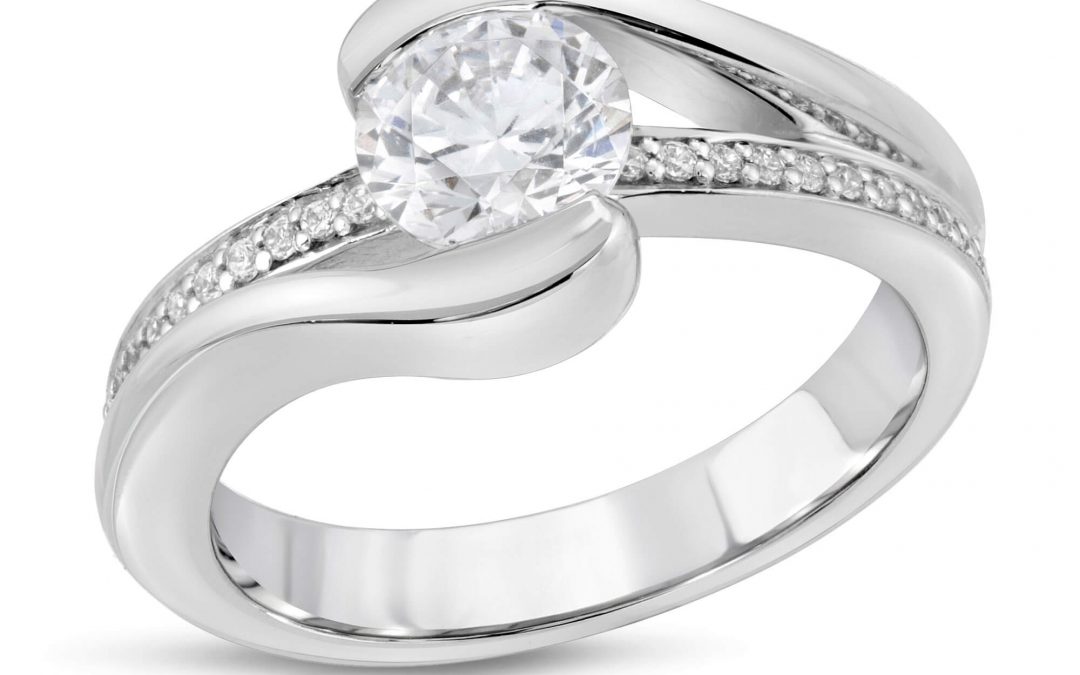
A diamond can look electric in person and surprisingly flat in a product image. That gap is why learning how to photograph diamonds is less about pointing a camera at a bright stone and more about controlling what the stone reflects. Every facet acts like a tiny mirror. Unless the photographer gives those mirrors something intentional to see, the result is often a dark center, blown-out edges, distracting reflections, or sparkle that looks more like digital noise than value.
For online selling, the goal is not to make every diamond look artificially white or over-sparkled. The goal is to show a clean, believable stone with visible facet structure, accurate color, appropriate scale, and enough brilliance to make a buyer stop scrolling. The lighting approach changes depending on whether you are photographing a loose diamond, a diamond ring, pavé jewelry, or a high-volume catalog, but the principle remains the same: shape the reflections before you take the picture.
How to photograph diamonds with controlled reflections
Start by cleaning the piece thoroughly. A fingerprint, polishing compound, skin oil, or a single dust particle can become a major distraction under macro magnification. Use lint-free tools and inspect the stone under a loupe or a close camera preview before beginning. Cleaning once is not always enough. During a shoot, jewelry is handled, adjusted, and repositioned repeatedly, so it should be checked again between angles.
Next, build the image around reflection control. A diamond does not have a single surface that can simply be lit from the front. Its facets reflect the environment from many directions. Broad white light gives brightness, while carefully positioned dark cards create definition in the facets. Small, controlled light sources can add crisp highlights, but too many create scattered hot spots and make the diamond appear harsh.
In our Los Angeles studio, we use jewelry-specific lighting setups that let us place white and black reflections with purpose. This is particularly important for high-value solitaires and loose stones, where shoppers expect to inspect the cut and brilliance closely. The camera sees every uncontrolled reflection, including the lens, tripod, room, and photographer, so the set needs to be as deliberate as the camera settings.
Use diffusion for brightness, flags for contrast
A diffused light source placed above and around the diamond creates an even field of brightness. Think of it as the clean white environment the diamond needs to reflect. Then introduce black flags or cards near selected sides of the setup. These dark shapes are what define the edges of facets and prevent the stone from becoming a featureless white circle.
The balance matters. Too much diffusion makes a diamond look cloudy and flat. Too much black reflection can make the center look dead or overly gray. Move flags in small increments, then study the live view at high magnification. A few millimeters can noticeably change the pattern of contrast inside a round brilliant diamond.
Choose camera settings for sharpness, not just sparkle
Diamond photography requires close focusing, and close focusing makes depth of field extremely limited. A high-resolution camera, macro lens, stable support, and tethered preview provide a strong foundation, but technique determines whether the final image feels premium.
Use a low ISO to preserve clean detail. Photograph at an aperture that offers enough sharpness across the visible stone and setting, often in the middle range of the lens rather than fully stopped down. At extreme apertures, diffraction can soften the fine facet detail you are trying to reveal. Because jewelry photography is usually created on a tripod with controlled lighting, shutter speed is generally less important than stability and precise focus.
For close shots, focus stacking is often the better choice. It combines several frames focused at slightly different distances, allowing the diamond, prongs, halo, and ring shank to remain sharp where a single exposure would not. This takes more time than a one-frame catalog shot, so it is best reserved for hero images, luxury campaigns, or pieces with complex depth.
A tethered monitor is especially useful when photographing diamonds. Looking at the image full-size makes it easier to catch dust, a tilted ring, uneven prongs, clipping highlights, and facet patterns that do not look balanced. What appears acceptable on a camera screen may not hold up on a product page, marketplace zoom feature, or high-resolution print layout.
Set white balance and exposure for an honest diamond image
Diamonds should look bright, but bright does not mean overexposed. When highlights are clipped, individual facets lose their shape and the stone can look cheap rather than brilliant. Keep detail in the brightest areas while retaining shadows that define the cut.
Use a consistent white balance and a calibrated workflow, especially when photographing multiple pieces for one collection. Diamonds can reflect nearby colors easily. A blue wall, warm tabletop, colored clothing, or even a photographer’s shirt can introduce a tint that was not present in the stone. Neutral surroundings and controlled light make color correction more reliable.
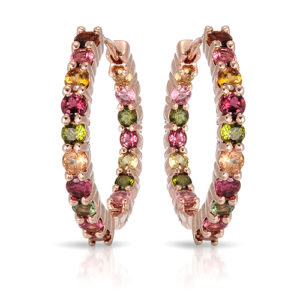
For fancy-color diamonds and gemstone-and-diamond designs, color accuracy becomes even more sensitive. A yellow diamond should retain its intended body color. A pink, champagne, or cognac diamond should not be corrected into a generic white stone. The product image needs to support customer confidence, not create a return caused by an unrealistic expectation.
Photograph the right angles for the way diamonds sell
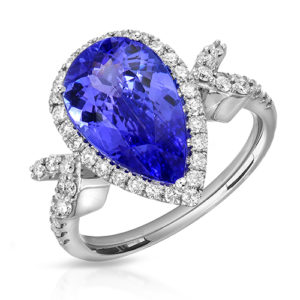
A single front view rarely answers every shopper question. Buyers need to understand the silhouette, profile, setting height, stone size, and workmanship. For a diamond ring, the most useful catalog set typically includes a primary three-quarter view, a straight-on view, a side profile, a top view, and detail images when the setting or stone warrants them.
A three-quarter angle usually makes the most effective main image because it shows both the center stone and the ring structure. A side view reveals the gallery, prong work, and how high the diamond sits. The top view helps a buyer compare the face-up spread of the stone, while a close detail can show pavé, hidden halos, engraving, or a distinctive setting feature.
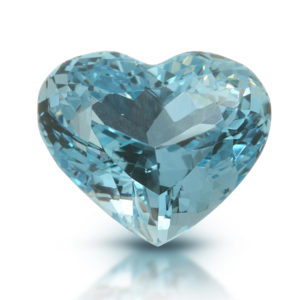
Loose diamonds require a different approach. The table-facing view is essential, but it should be supported by profile or angled views that show the girdle and overall proportions. If the stone has an inscription, distinctive inclusion, or grading-related detail that needs to be documented, that image should be handled separately from the polished sales photography.
For high-volume e-commerce, repeatable angles are as important as attractive angles. Consistency helps customers compare products quickly and makes a collection page look organized. It also makes future product additions easier to match. A designer launching a premium capsule collection may choose more stylized hero images, while a wholesaler may need clean white-background coverage across hundreds of SKUs. Both needs are valid, but they require different production planning.
Control metal reflections around diamond jewelry
Diamond photography and metal photography cannot be separated. A center stone may be lit beautifully, but a poorly controlled white-gold, platinum, yellow-gold, or rose-gold setting can undermine the image. Polished metal reflects everything around it, often more clearly than the diamond does.
Position light and flags so the metal has clean gradient reflections rather than random bright patches. White metals need enough edge definition to avoid blending into a white background. Yellow and rose gold need accurate warmth without becoming oversaturated. Watch for colored bounce from props, walls, or clothing, particularly in mixed-metal jewelry.
This is also where retouching has real commercial value. Professional jewelry retouching can remove dust, temporary surface marks, unwanted reflections, and support materials while preserving believable stone detail and metal texture. It should not turn every diamond into the same computer-generated starburst. Buyers of fine jewelry notice when an image looks artificial.
Avoid the common mistakes that make diamonds look less valuable
The most frequent issue is using too much direct light. Direct flash can create sparkle, but without diffusion and reflection control it often produces blown facets and severe shadows. Another common mistake is photographing on a mirror or highly reflective surface, which may look dramatic but can confuse the shape of the piece and distract from the stone.
Poor preparation is equally costly. Dust becomes obvious at macro scale, crooked rings look careless, and inconsistent cropping weakens the perceived quality of a collection. Over-editing can be just as damaging. Excessive whitening, false sparkle overlays, or aggressive smoothing may create a dramatic thumbnail, but it can reduce trust once shoppers zoom in.
For marketplace listings, clean white-background images are typically the most versatile foundation. For brand websites, pair those dependable catalog assets with creative close-ups, on-model photography, or short 360-degree jewelry videos when the budget and sales channel justify them. Video is particularly useful for showing how a diamond catches light as the jewelry moves, though it should complement still photography rather than replace clear product views.
When professional diamond photography makes business sense
A DIY setup can be useful for quick social content or internal reference, especially if you sell a small number of straightforward pieces. It becomes less efficient when a collection needs consistent color, controlled diamond brilliance, multiple angles, close retouching, and files prepared for web, marketplaces, print, or campaigns.
Professional photography is often the more cost-effective choice when product value is high, when images must match an established catalog, or when the team is spending too much time reshooting pieces that still do not look right. TN Connections Inc. photographs diamond jewelry, loose stones, and full collections from the Downtown Los Angeles Jewelry District, with nationwide mail-in service for brands and sellers outside Southern California. We can create refined luxury imagery, clean e-commerce catalog photography, and repeatable production for volume projects, including qualifying pricing starting at $12 per image.
Bring or ship the pieces that deserve a more convincing first impression, then request a free quote with your preferred image count, sales channels, and turnaround needs. A diamond photograph should make the customer feel they are seeing the stone clearly, not being asked to imagine it.