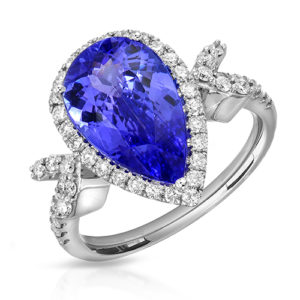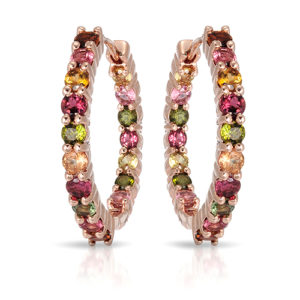
A diamond ring can look flawless in person and still reveal a fingerprint, loose fiber, or uneven prong under macro lighting. That is why knowing how to prepare jewelry before a shoot matters as much as the photography itself. Clean, organized, inspected pieces allow the photographer to focus on accurate metal color, gemstone brilliance, detail, and consistent catalog presentation instead of avoidable corrections.
For a single hero piece or a 500-SKU e-commerce collection, the goal is the same: send jewelry that is ready to be photographed, identified, and returned safely. Good preparation reduces delays, limits retouching surprises, and creates product images shoppers can trust.
Start with a complete inventory
Before cleaning a single piece, build a simple item list. Every necklace, ring, pair of earrings, loose stone, watch, and bracelet should have a unique SKU or item name that matches your website, line sheet, or inventory system. This is especially useful for collections with similar styles, such as the same ring offered in yellow gold, white gold, rose gold, and several gemstone colors.
Include the SKU, product name, metal type, stone type, carat weight or dimensions when relevant, and any special notes. Notes might identify a reversible pendant, a hidden clasp, a detachable chain, an engraving that needs to be shown, or a gemstone with a color that requires careful matching.
Place each item in an individual labeled bag, box, or compartment. Avoid putting multiple small pieces in one pouch. Earrings can separate, chains can tangle, and loose stones can be mistaken for a different SKU. For high-volume catalog work, a clear sequence also helps maintain the exact order of your listings from shooting through final file delivery.
How to prepare jewelry with safe cleaning
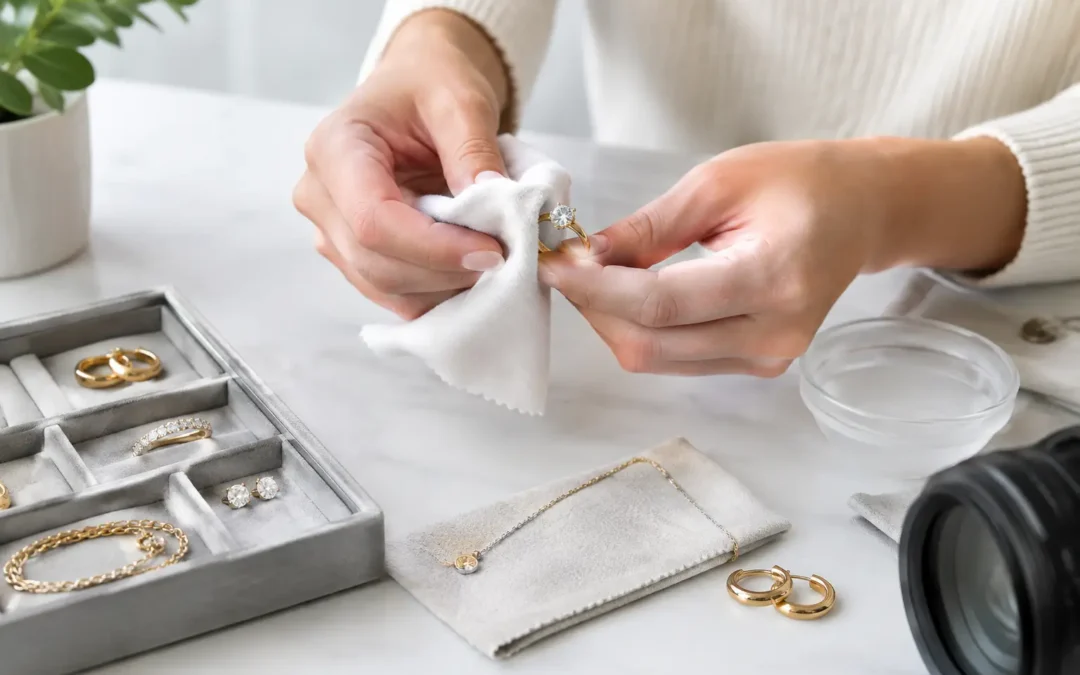
Jewelry must be clean, but cleaning methods should match the materials. A soft microfiber cloth is the safest starting point for removing surface dust, fingerprints, and light residue from most pieces. Handle finished items by the edges whenever possible, and wear clean cotton or nitrile gloves after cleaning if you are packing them for a shoot.
For durable diamonds, sapphires, rubies, and solid precious metals, a professional jeweler-approved cleaning method may be appropriate. However, do not assume every item can be cleaned the same way. Pearls, opals, emeralds, turquoise, coral, plated jewelry, antique pieces, porous stones, and pieces with glued settings can be damaged by ultrasonic machines, steam, harsh chemicals, or prolonged soaking.
If you are unsure how a piece was made, do not experiment immediately before photography. Send it as-is with a note. A jewelry photographer can remove minor dust or small distractions during professional retouching, but a damaged finish, loosened stone, or stripped plating is a much more costly problem.
Look closely at the areas customers will inspect when they zoom in: under-gallery details on rings, earring backs, clasps, chain links, watch crowns, and stone settings. Remove price stickers, leftover adhesive, protective plastic, and packaging fibers. Do not apply oil, lotion, or temporary coating to increase shine. These products can collect dust, create streaky reflections, and change how gemstones and metal surfaces photograph.
Inspect every piece before it leaves your hands
Photography does not create defects, but high-resolution macro photography can make them easier to see. Check for bent prongs, crooked stones, scratches, tarnish, missing pavé stones, worn rhodium plating, mismatched earring backs, and kinked chains. If a flaw is intentional or unavoidable, identify it in advance so it is not mistaken for damage during image review.
This is also the moment to make a business decision about repairs. A luxury campaign image may justify polishing, re-plating, stone tightening, or replacement parts before production. For a large commercial catalog, the priority may be consistent, attractive presentation at a practical budget. The right choice depends on the value of the product, the sales channel, and how closely shoppers are likely to inspect the image.
Professional retouching can remove small dust particles, refine distracting reflections, clean backgrounds, and improve overall polish. It should not be used to misrepresent a product. If a ring has a visible inclusion, unusual stone color, or a meaningful design characteristic, the final image should remain faithful to what the customer will receive.
Decide what each image needs to sell
Do not send a collection to photography without deciding where the images will appear. White-background product photography has different requirements than a campaign image, marketplace listing, social video, or jewelry-on-model photo.
For most e-commerce listings, plan for a primary front view plus enough supporting angles to answer the shopper’s practical questions. A ring may need a top view, side profile, close detail of the setting, and scale image. Earrings may need a matched pair, individual detail, back view, and an on-ear image. Necklaces often benefit from a pendant close-up, full chain view, clasp detail, and model image that shows length.
A concise shot list prevents confusion and protects your budget. Instead of asking for “a few photos of each item,” specify the deliverables by product category. Include file orientation when needed for website banners, marketplaces, or social posts. If you have existing catalog images, provide samples so new photographs can match the preferred crop, shadow style, background, and visual standard.
Choose the right mix of image styles
White-background images are the foundation for product pages, wholesale sheets, and most marketplace listings because they keep the jewelry clear and comparable. Lifestyle and creative images add mood, material texture, and brand personality. Model and hand-model photography solves a different problem: it shows scale, fit, and how jewelry moves on a real person.
The strongest collections often use more than one format. A fine jewelry brand may lead with clean catalog images and use editorial photography for launches. An independent designer may begin with white-background photography for an online store, then add a handful of model images for paid social and collection banners. The correct balance depends on your launch plan, not just on what looks beautiful in isolation.
Share details that affect color, scale, and styling
Gemstones are not generic. A pale blue sapphire, a green tourmaline, and a yellow diamond each require lighting choices that protect their individual character. Tell the photographer whether color accuracy is especially sensitive, whether stones are natural or lab-grown, and whether a particular item has a feature worth emphasizing.
Provide measurements for chains, bracelets, stones, and larger statement pieces. Accurate dimensions help with styling and make it easier to plan scale-focused images. If a piece comes with interchangeable charms, multiple chain lengths, or different metal options, clarify whether every variation needs separate photography or whether one image will serve as a representative visual.
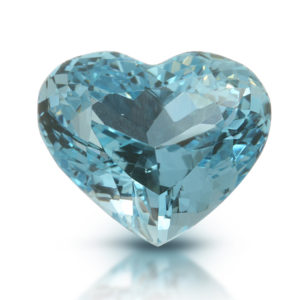
For watches, include the correct time setting if you have a preference, along with instructions for bracelets, straps, and packaging. For loose diamonds and gemstones, label each stone securely and provide relevant specifications. Facet pattern, cut, color, inclusions, and calibrated size all influence the best way to photograph the piece honestly.
Prepare jewelry for shipping or studio drop-off
For local clients, bringing a collection to a studio appointment in Downtown Los Angeles allows for hands-on review before production. For nationwide mail-in projects, careful packing is essential. Use individual labeled containers or sealed bags, then place those inside a protective box with cushioning that prevents movement.
Do not use loose tissue that sheds fibers onto polished metal and stones. Keep chains secured so they cannot knot during transit. Include the inventory sheet and shot list inside the shipment, and insure valuable collections appropriately. Photograph or record the packed contents for your own records before sending them.
In our Los Angeles Jewelry District studio, we regularly work with both high-value fine jewelry and recurring commercial catalog shipments. Clear labeling and item-level organization help us move quickly while maintaining the attention required for diamonds, colored stones, reflective metals, and delicate settings.
Avoid last-minute changes that slow production
The most common delays happen when the actual collection does not match the original instructions. A missing pair of earrings, an unlisted color variation, a new engraving request, or a change from white-background images to model photography can affect scheduling and pricing.
Confirm your final selection before delivery. If seasonal launches or retailer deadlines are involved, identify those dates at the quote stage. It is easier to reserve the right amount of production time than to rush a complex collection after it arrives.
Preparation is not about making jewelry look artificially perfect. It is about giving every piece the cleanest, clearest opportunity to show its value. When your collection is organized, inspected, and supported by a practical shot plan, the photography process becomes faster, more accurate, and far more useful across your website, marketplaces, wholesale materials, and campaigns.
If you are preparing a new collection or refreshing an inconsistent catalog, request a free quote from TN Connections with your SKU count, reference images, and target delivery date. A short planning conversation before the shoot can save significant time once the jewelry is under the lights.