A jewelry image can look simple until you try to produce 200 of them with identical metal tone, accurate gemstone color, clean reflections, and a consistent crop. That is where the decision between in-house versus outsourcing jewelry photography becomes a business decision, not just a creative one.
The direct answer: an in-house setup can make sense for frequent, straightforward product updates when your team has the volume, space, and specialized skills to support it. Outsourcing is usually the stronger choice when image quality, turnaround, catalog consistency, and retouching standards matter more than managing a full production operation internally. Many growing jewelry businesses benefit from a hybrid approach.
In-house versus outsourcing: what changes?
The biggest difference is not simply who presses the shutter. It is who takes responsibility for the full visual system behind every image.
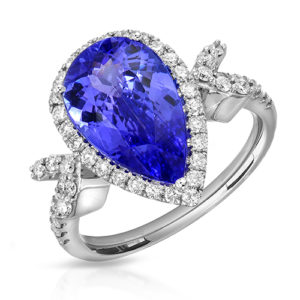
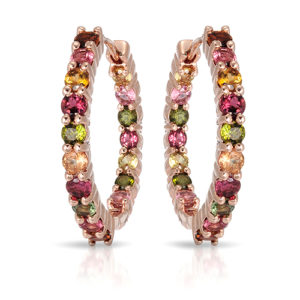
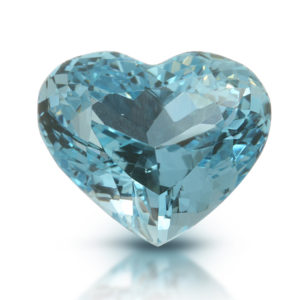
For jewelry, photography requires more than a camera and a white background. Diamonds need lighting that reveals brilliance without blowing out their facets. Polished gold and silver need controlled reflections rather than dark, distorted shapes. Gemstones need color that feels true to the piece, while still showing cut, depth, and character. A ring also needs to look proportionate, centered, and consistent beside every other ring in the catalog.
An internal team gives a brand immediate access to the product and close control over daily priorities. An outside jewelry photography studio provides an established lighting process, experienced retouching, dedicated equipment, and a team that works with these materials every day.
| Factor | In-House Photography | Outsourced Jewelry Photography |
|---|---|---|
| Upfront cost | High equipment, space, hiring, and training investment | Low upfront investment, project-based pricing |
| Daily access | Immediate for urgent product changes | Requires scheduling and shipping for remote projects |
| Jewelry expertise | Depends on the team you hire and retain | Built into a specialized studio process |
| Catalog consistency | Requires documented systems and quality control | Established lighting, angles, crops, and retouching standards |
| Scalability | Can strain during launches or large intake periods | Easier to increase volume for collections and seasonal demand |
| Creative range | May require additional staff or equipment | Can include white-background, model, lifestyle, and video production |
When an in-house jewelry photography team makes sense
In-house production works best when photography is constant, products are relatively standardized, and the business can support a dedicated visual department. A large retailer that adds hundreds of simple products each week may need same-day access for basic inventory images, merchandising updates, or marketplace changes.
It can also be practical for brands that create a high volume of social content and need quick behind-the-scenes material. If the goal is informal product communication rather than a polished campaign or main product catalog, internal teams can move quickly.
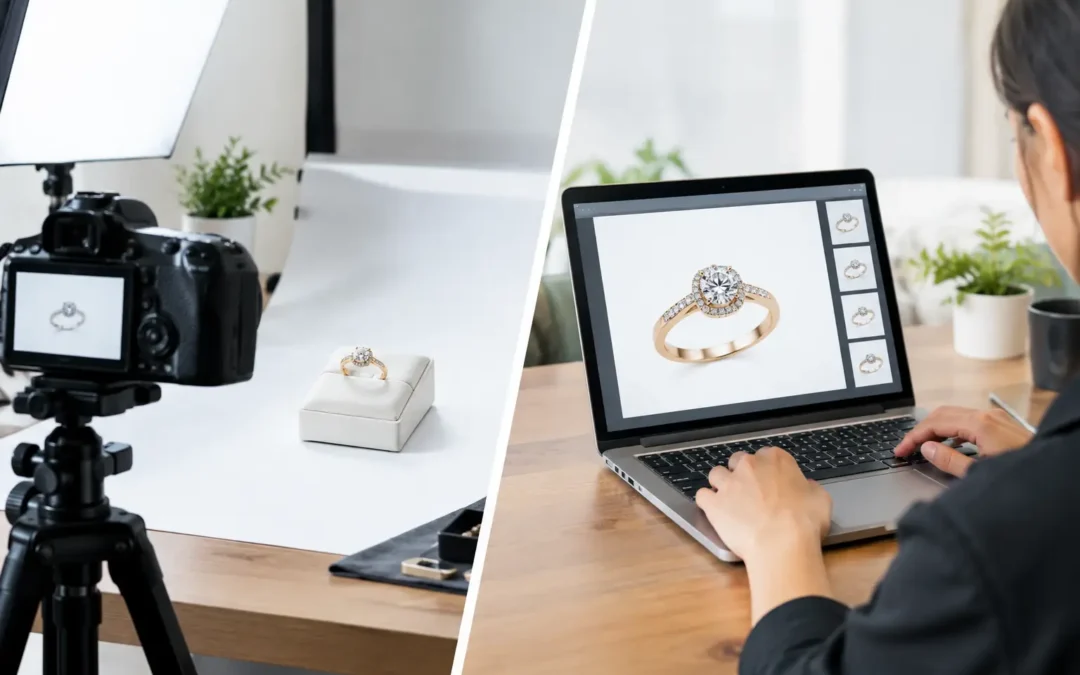
However, the true cost is often underestimated. A useful setup includes more than a camera body. You may need macro lenses, strobes, modifiers, diffusion materials, tethering equipment, color-calibrated monitors, jewelry supports, secure storage, editing software, production space, and insurance. Then there is the ongoing expense of training, quality control, retouching, file management, and replacing equipment.
The harder issue is staffing. Jewelry photography is a technical specialty. A photographer may know how to make a necklace look attractive, yet still struggle to maintain accurate color across emeralds, reduce unwanted reflections on high-polish metal, or match a new collection to images created six months earlier. Retouching also requires restraint. Over-retouching can make pavé stones look artificial, flatten metal texture, or misrepresent a natural gemstone.
When outsourcing delivers better value
Outsourcing is often the better fit for jewelry brands that want professional results without building a studio operation from scratch. This includes independent designers preparing a Shopify launch, manufacturers with large SKU counts, wholesalers refreshing line sheets, luxury brands developing campaigns, and marketplace sellers who need clean, compliant catalog photography.
A specialized studio starts with repeatable systems. The lighting, camera angle, cropping, background, shadow treatment, and retouching approach are planned so the collection looks unified. That consistency has commercial value. Shoppers can compare products more easily, retailers see a more polished line, and a brand looks more credible across its website, wholesale materials, social media, and advertising.
Outsourcing also gives brands access to formats that are difficult to create well with a small internal setup. White-background images may be the core catalog asset, but a collection can also need hand-model photography for scale, on-model images for personality, creative lifestyle photography for campaign use, and 360-degree jewelry video for close inspection. Producing all of these internally requires a much broader team and equipment investment.
In our Los Angeles studio, we regularly see clients who initially tried internal production because it seemed less expensive. The issue was rarely effort. The issue was that reshoots, inconsistent files, delayed retouching, and mismatched images cost more than expected. A specialist workflow reduces those hidden costs.
Cost: compare the full production expense
The right comparison is not an hourly employee rate against a per-image quote. Compare the total cost of getting approved, sales-ready images into your catalog.
With in-house photography, calculate equipment purchases, maintenance, studio rent or dedicated workspace, payroll, management time, retouching, software, insurance, and the cost of images that need to be redone. You should also consider production capacity. If a new collection arrives during a busy period, can your internal team photograph, edit, review, and deliver it without delaying other work?
With outsourcing, pricing is generally clearer because it is tied to the deliverables. The per-image rate may include photography, basic retouching, file preparation, and a defined turnaround. Higher-end work can involve detailed art direction, advanced retouching, model talent, props, or video production. For straightforward volume catalogs, qualifying rates can start at $12 per image, making professional photography accessible for businesses that need consistent assets at scale.
A lower per-image cost is only a win if the images meet your brand standard. A poorly lit diamond ring that needs replacement photography is not an economical image, regardless of what it cost the first time.
The hybrid model is often the practical answer
The choice does not have to be all or nothing. A hybrid workflow lets brands keep fast, low-stakes content in-house while outsourcing the images that customers, buyers, and advertising audiences see first.
For example, an internal team might photograph incoming inventory for reference, create quick social clips, or manage minor listing updates. A jewelry photography specialist can handle the core e-commerce catalog, launch collection, hero banners, gemstone close-ups, model imagery, and videos. This approach protects quality where it matters most while preserving internal speed for everyday needs.
The key is to establish a visual standard. Define background color, image dimensions, product angles, crop rules, metal treatment, gemstone color expectations, shadow style, and retouching boundaries. If you already have an existing catalog, a qualified studio should be able to study the reference images and create new work that matches the established look.
Questions to ask before outsourcing jewelry photography
Before choosing a studio, ask how it handles valuable pieces, who performs retouching, what is included in the quoted price, and how revisions are managed. You should also ask whether the studio photographs loose diamonds and gemstones, whether it can match your current catalog, and whether it offers both clean e-commerce images and more creative campaign work.
For remote projects, understand the shipping and intake process before sending a collection. Nationwide mail-in photography can be efficient, but it should include clear inventory handling, product labeling, shot lists, approval steps, and return arrangements. Local clients in Downtown Los Angeles can also benefit from direct consultations, sample reviews, and hands-on art direction at the studio.
Your photography workflow should make product launches easier, not create another operational bottleneck. If your team is spending too much time fighting reflections, editing around dust, or trying to make new images match old ones, it may be time to put the catalog in the hands of a jewelry photography specialist. Request a free quote from TN Connections and bring a few sample pieces or reference images - the best production plan usually becomes clear once the jewelry, volume, and intended sales channels are on the table.