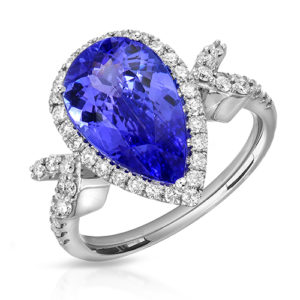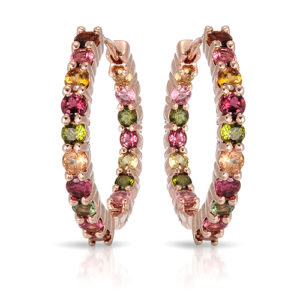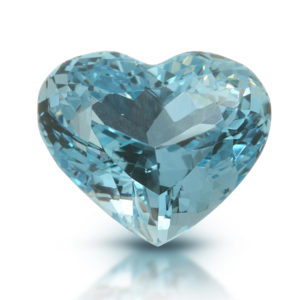
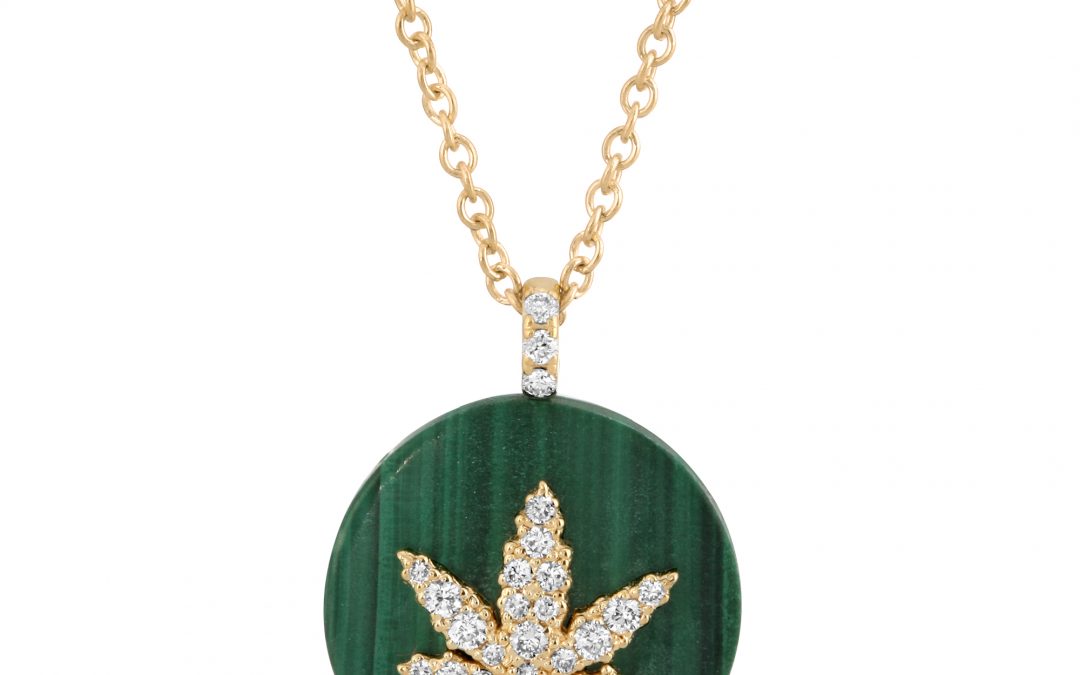
A ring may measure less than an inch across, but on Amazon it has to answer every question a shopper would ask at a jewelry counter. Is the stone bright? Is the metal warm or cool? How large is the pendant? Does the clasp look secure? Jewelry photography for Amazon listings turns those questions into clear, convincing visual answers before a customer ever reaches the product description.
For jewelry sellers, imagery is not decoration around the listing. It is the product experience. When a shopper cannot handle a bracelet, inspect a setting, or compare a gemstone under light, your photos carry the weight of trust. Strong images help the piece look desirable, accurately represented, and worth purchasing.
Why Amazon Jewelry Images Need a Different Approach
Jewelry is one of the least forgiving product categories to photograph. Metal reflects everything around it. Faceted stones can go dark, lose their fire, or show distracting reflections. Tiny prongs, engravings, pavé details, and chain links demand sharpness that a general product setup may not deliver.
Amazon adds another layer of pressure. A shopper may see your main image at thumbnail size while comparing dozens of nearly identical pieces. That first frame must create an immediate, clean impression. Then the rest of the image set needs to provide the detail and context that help move a buyer from interest to checkout.
The best approach balances marketplace compliance with brand appeal. A technically acceptable image is not always a sales-driving image. Conversely, a gorgeous lifestyle image cannot replace the clean product view shoppers expect when they are comparing metal colors, stone shapes, and dimensions.
The Main Image Does the First Job
For most jewelry listings, the primary image should present one clear product against a pure white background. It should be large enough to inspect, neatly positioned, and free from visual distractions. Amazon requirements can change by category and marketplace, so sellers should always confirm the current image rules before production.
From a sales standpoint, the goal is simple: make the jewelry feel polished and real. The piece should not look flat, gray, overly reflective, or so heavily retouched that its material character disappears. A diamond ring should have controlled sparkle. Yellow gold should read as yellow gold, not as a pale reflection. A gemstone should show its natural color without being pushed into an unrealistic neon tone.
Build an Image Set That Answers Buyer Questions
The main image earns the click. Supporting images help earn the order. Rather than filling the gallery with near-duplicate angles, plan every frame around a specific shopper question.
A close-up may reveal the workmanship of a halo setting or the texture of a hand-engraved band. A side angle can show the height of a center stone and the profile of the shank. A back view of earrings or a necklace can clarify closures, posts, and chain construction. These details reduce uncertainty, which is especially valuable for higher-priced pieces and fine jewelry purchases.
Scale is equally important. A pendant that appears dramatic in a close-up can feel surprisingly small when it arrives. Jewelry-on-model or hand-model photography gives customers an honest sense of proportion while adding personality and emotional appeal. A model image is particularly useful for earrings, necklaces, bracelets, and rings, but it should support the clean catalog images rather than replace them.
For a complete Amazon-ready gallery, consider using these distinct image purposes:
- A clean white-background hero image for immediate product recognition
- Detail images that show stones, settings, clasps, engravings, or texture
- Alternate angles that clarify depth, profile, and construction
- On-model or hand-model imagery that communicates scale and wearability
- Branded lifestyle or feature graphics that reinforce benefits when permitted
The right mix depends on the product. A simple pair of gold hoops may need a crisp hero image, a side view, a closure detail, and an on-ear model shot. A gemstone engagement ring may deserve several macro views, a profile image, a finger shot for scale, and a carefully designed feature graphic that explains the stone and metal specifications.
Color Accuracy Is a Sales Issue
Jewelry returns often begin with a gap between expectation and reality. The item looked brighter, larger, warmer, or more colorful online than it did in person. While photography cannot eliminate every return, accurate imaging helps prevent avoidable disappointment.
This matters most with gemstones and colored metals. Emerald, sapphire, opal, turquoise, and tourmaline can shift dramatically under different lighting conditions. Rose gold can become too pink or too bronze. Silver can look dull without careful lighting, while polished gold can pick up dark reflections that make a finished piece appear damaged.
Professional retouching should refine the image, not invent a different product. Dust, fingerprints, stray fibers, and minor surface distractions can be removed. Reflections can be controlled. Edges can be sharpened with care. But the stone’s true character, metal color, and construction should remain faithful to what the customer will receive.
That restraint protects your brand. A buyer who receives a piece that looks like the listing is more likely to leave a positive review, purchase again, and trust your catalog.
Resolution and Cropping Can Change Perceived Value
Low-resolution jewelry photography makes even a well-made piece feel less premium. Shoppers cannot inspect the facets, polish, or workmanship, so they may assume the product lacks quality. High-resolution files give customers room to zoom and give Amazon a stronger visual asset to display across desktop and mobile screens.
Cropping deserves just as much attention. Jewelry should fill the frame confidently without feeling cramped. Leave enough breathing room for the silhouette to read clearly, but do not make a small product look lost in a sea of white space. Chains, long earrings, and layered pieces require especially careful styling so they look intentional rather than tangled or uneven.
Consistency across the catalog is another quiet sales advantage. When every image uses a similar white balance, crop style, shadow treatment, and retouching standard, your storefront feels established. That consistency helps independent designers look more polished and helps larger sellers maintain a recognizable visual identity across hundreds of SKUs.
Avoid the Shortcuts That Hurt Conversion
Phone photography can be useful for quick inventory checks or social content, but it often struggles with jewelry’s reflective surfaces and fine detail. A generic light box can also create flat, uniform lighting that removes the dimensional sparkle buyers want to see.
Another common issue is over-editing. Excessive contrast, artificial sparkle effects, clipped highlights, and unrealistic stone color may attract attention briefly, but they can undermine credibility. Jewelry buyers are often detail-oriented. They notice when a prong looks softened, a gemstone edge looks unnatural, or a metal finish changes from one image to the next.
It is also risky to rely only on creative campaign photos. A beautiful ring on a styled hand can create desire, yet customers still need a clear product view. Think of creative photography as the image that builds emotion and catalog photography as the image that closes the information gap. A strong listing needs both when budget and product value justify the investment.
A Production Process That Keeps Listings Moving
Speed matters when a new collection is ready, inventory is arriving, or a seasonal promotion is approaching. But fast turnaround should not mean rushed preparation. Before sending products to a studio, organize each piece by SKU, confirm metal and gemstone details, and identify any must-have angles. This prevents confusion when similar designs differ only in stone size, chain length, or finish.
For volume catalogs, photograph products in a repeatable sequence. Consistent camera angles and styling reduce revisions later and make future additions easier to match. If a collection includes rings, earrings, necklaces, and bracelets, establish the visual standard early with a few approved samples before processing the full set.
TN Connections Inc works with jewelry businesses that need that balance of careful detail and dependable production. From clean high-resolution product images to hand-model photography, gemstone close-ups, and creative brand assets, the focus stays on making each piece look accurate, gorgeous, and ready to sell. Volume pricing starting at $12 per image can also make a consistent catalog more attainable for growing sellers.
A great Amazon gallery should leave a shopper with less uncertainty and more desire. When every image shows the sparkle, scale, craftsmanship, and true character of the piece, your listing does more than look professional – it gives customers a reason to choose your jewelry with confidence.