A diamond ring can look technically flawless on white and still feel invisible in a campaign. The reverse is also true: a beautiful lifestyle image can create desire while leaving a shopper unsure about the clasp, stone size, or actual metal color. White background versus lifestyle photography is not a choice between basic and premium photography. For most jewelry businesses, each format has a specific commercial job.
White-background images help customers inspect and compare products. Lifestyle photography gives the collection personality, scale, and context. The strongest jewelry brands use both deliberately, assigning each image type to the sales channel and point in the buying process where it works hardest.
White Background Versus Lifestyle Photography: The Core Difference
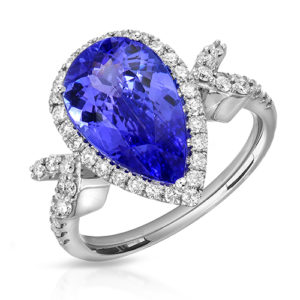
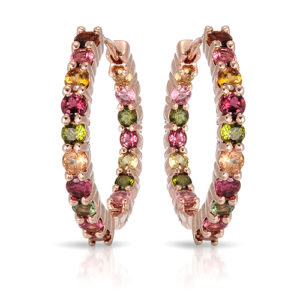
White-background jewelry photography is built for clarity. The piece is isolated on a clean, consistent background so shoppers can focus on its design, craftsmanship, stones, and finish. It is the foundation for product detail pages, wholesale line sheets, marketplaces, catalogs, and collection grids.
Lifestyle photography is built for feeling. It places jewelry on a model, hand, neck, or carefully art-directed setting to communicate how a piece lives in the real world. A delicate tennis bracelet becomes more understandable on a wrist. A bold cocktail ring gains presence when styled for an evening look. A collection with a distinct point of view becomes memorable when the images carry that point of view.
Neither format replaces the other. If a customer cannot clearly inspect what they are buying, lifestyle images alone can hurt conversion. If every touchpoint is a cutout on white, shoppers may understand the product but have little emotional reason to choose one brand over another.
| Photography Style | Primary Purpose | Best Uses | Main Strength |
|---|---|---|---|
| White Background | Product inspection and catalog consistency | E-commerce pages, Amazon, wholesale, and marketplaces | Accurate, clean product detail |
| Lifestyle | Brand storytelling and aspiration | Campaigns, social media, banners, and launch materials | Emotion, scale, and visual differentiation |
| On-Model or Hand-Model | Wearability and proportion | Product pages, advertisements, and social content | Shows how jewelry looks when worn |
When White-Background Jewelry Photography Is the Better Investment
A white background is usually the first priority when launching a new collection or building an e-commerce catalog. It gives every SKU a consistent visual system, even when items are photographed months apart. That consistency makes a site easier to shop and allows customers to compare necklace lengths, gemstone colors, ring silhouettes, and metal finishes without visual distractions.
It is also the practical choice for channels with strict image requirements. Marketplaces and wholesale buyers generally expect a clear hero image that identifies the product immediately. For a retailer carrying dozens or hundreds of styles, this matters more than artistic variety. A well-lit, properly retouched catalog creates order and credibility at scale.
The word “white” does not mean flat lighting. Jewelry is reflective, and a white background can expose every uncontrolled highlight. Polished gold can turn gray, chrome-like, or overly yellow. Faceted stones can look dark if the lighting does not create enough life across the crown and pavilion. Pearls need soft tonal separation, while diamonds require controlled sparkle without turning into a field of blown-out white points.
In our Los Angeles studio, we shape the lighting around the material rather than applying one setup to every item. That means controlling reflections in polished metal, preserving the true color of gemstones, revealing pavé detail, and selecting angles that make a piece feel dimensional. Professional retouching then removes dust, supports clean edges, and refines distracting reflections without changing the product customers will receive.
White backgrounds are best for high-volume catalogs
For manufacturers, wholesalers, established retailers, and growing direct-to-consumer brands, white-background photography delivers efficient repeatability. Once the image style, crop, angles, and retouching standard are approved, future products can match the existing catalog. This is especially valuable for recurring launches and large inventories where speed and visual consistency affect how quickly products can go live.
For many volume projects, white-background production is also the most cost-effective way to cover essential angles. A typical jewelry item may need a front view, side view, back view, close-up detail, and scale image depending on the product category. The right number is not always the maximum number. A simple stud earring may need fewer views than a hinged bracelet, an articulated necklace, or an engagement ring with important side-stone details.
When Lifestyle Photography Earns Its Place
Lifestyle photography becomes valuable when the brand needs customers to imagine ownership. Jewelry is personal. It marks milestones, signals taste, and changes the way a person feels in an outfit. A lifestyle image can make that emotional value visible in a way a catalog image cannot.
This is particularly useful for luxury and designer collections with a clear creative identity. A campaign for sculptural gold jewelry might use dramatic directional light, tailored styling, and close crops that emphasize form. A fine gemstone collection may call for refined color palettes and soft editorial styling that supports the stones without competing with them. The setting, model, wardrobe, props, and lighting should all serve the jewelry, not overwhelm it.
Lifestyle photography is also a powerful answer to the scale problem. Shoppers often misjudge size from isolated images, especially with earrings, pendants, stackable rings, and delicate chains. A hand-model image shows how a ring sits across the finger. A neck shot shows where a pendant lands. A properly styled ear image helps a customer understand hoop diameter and visual weight at a glance.
That said, lifestyle work requires more planning than a white-background catalog. Casting, styling, props, hair and makeup, location or set design, and art direction affect the scope. The investment makes sense when the resulting images will be used across campaign ads, website banners, email, social media, lookbooks, and retailer presentations. It is less efficient if the only need is a clean product listing for a large inventory.
Lifestyle images should still show the jewelry clearly
The best creative image is not necessarily the moodiest one. If a dark gemstone disappears into a dark outfit, or a necklace is partially hidden by hair, the campaign may look polished but fail to sell the piece. Jewelry-specific art direction protects the product’s visibility while maintaining the desired atmosphere.
This is where a photography team experienced with fine jewelry makes a difference. We consider whether stones need direct sparkle or soft color, whether metal needs crisp edge definition, and whether the chosen pose creates unflattering tangles or hides a closure. Small decisions determine whether an image feels editorial and useful rather than merely decorative.
A Better Approach: Build an Image System, Not a Single Shoot
The practical answer for most brands is a tiered image plan. Start with white-background images for every sellable product. Add on-model or hand-model images to priority pieces where fit, scale, or movement affects the purchase decision. Then use a smaller number of lifestyle campaign images for collection launches, paid ads, social media, and brand-building pages.
This structure protects the e-commerce basics while giving marketing teams content with more range. It also lets a business allocate its budget according to product importance. Core catalog photography can cover the full assortment, while hero designs, high-margin pieces, seasonal launches, or signature stones receive more elaborate creative treatment.
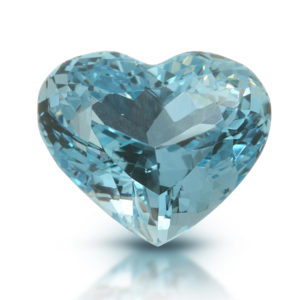
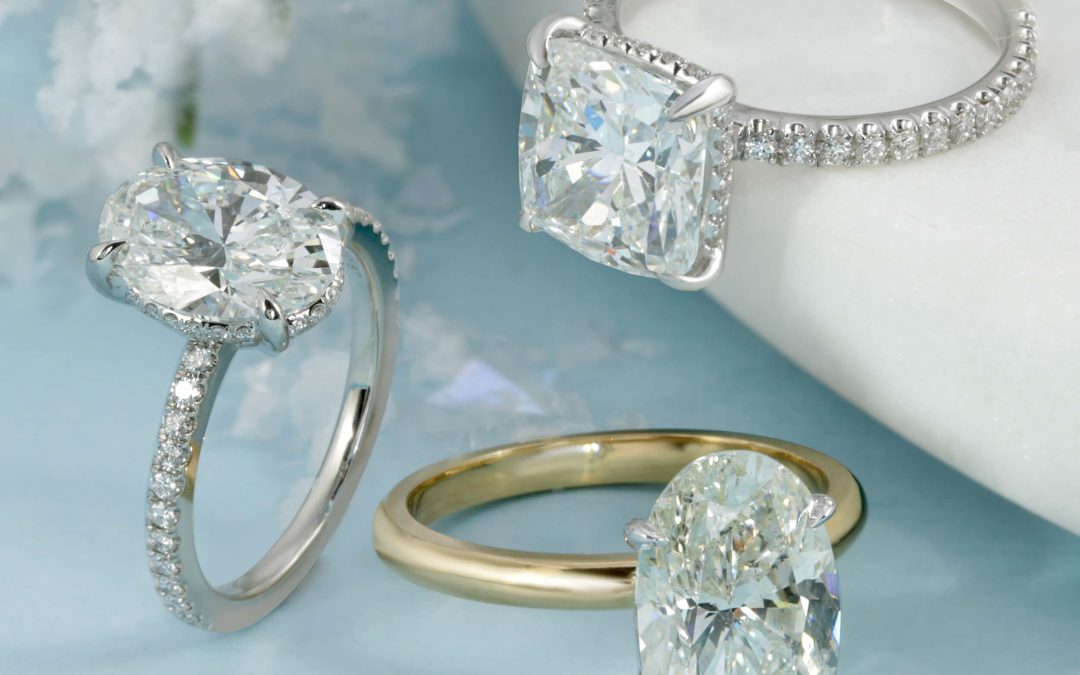
For example, a bridal brand may use white-background images to show ring profiles, center-stone settings, band widths, and engraving details. Its lifestyle images can focus on the emotional occasion and the ring in motion on the hand. A gemstone dealer may need exact, color-conscious isolated images for inventory, then a limited set of creative stone imagery to support a premium collection story.
Choosing the Right Mix for Your Sales Channels
Your channel should influence the deliverables. Product pages need clear hero images and useful supporting angles. Marketplace listings usually depend heavily on clean, compliant white-background imagery. Social media and advertising need more variety, often including model, lifestyle, video, and detail crops. Wholesale presentations benefit from a disciplined catalog style that lets buyers assess the line quickly.
A useful question is: what must the customer know before purchasing, and what must they feel before they care? White-background photography answers the first question. Lifestyle photography answers the second.
Brands should also consider image longevity. A neutral white-background catalog can work for years as long as the product remains available. A campaign is more time-sensitive, tied to a season, creative direction, or product launch. That does not reduce its value. It simply means the production plan should separate evergreen product assets from images designed to create a timely visual moment.
Get Jewelry Photography That Works Beyond the First Click
Whether you need a consistent catalog, a high-end creative campaign, or a practical mix of both, the goal is the same: present every piece with enough accuracy to earn confidence and enough character to invite desire. TN Connections photographs jewelry for Los Angeles brands and nationwide mail-in clients, from detailed luxury collections to efficient high-volume e-commerce catalogs.
Bring your collection, sales channels, and launch timeline into the conversation, then request a free quote. The right image plan should make it easier for shoppers to see the value in every piece before they ever hold it.