A shopper can zoom into a diamond’s prongs in a still image, then hesitate because they cannot tell how the ring sits above the finger or how the setting looks from the side. That is the real decision behind 360 spins versus stills: not which format is more impressive, but which one answers the buyer’s next question before they leave the product page.
For most jewelry businesses, still photography is the non-negotiable foundation. A 360-degree spin is a high-value addition for pieces where profile, movement, craftsmanship, or perceived scale influences the sale. The strongest product pages often use both, with each format doing the job it does best.
360 Spins Versus Stills: The Quick Answer
Stills are best for catalog consistency, crisp detail, marketplace compliance, advertising, and close examination of diamonds, gemstones, hallmarks, and finishes. They are easier to repurpose across your website, wholesale line sheets, social media, email, and print.
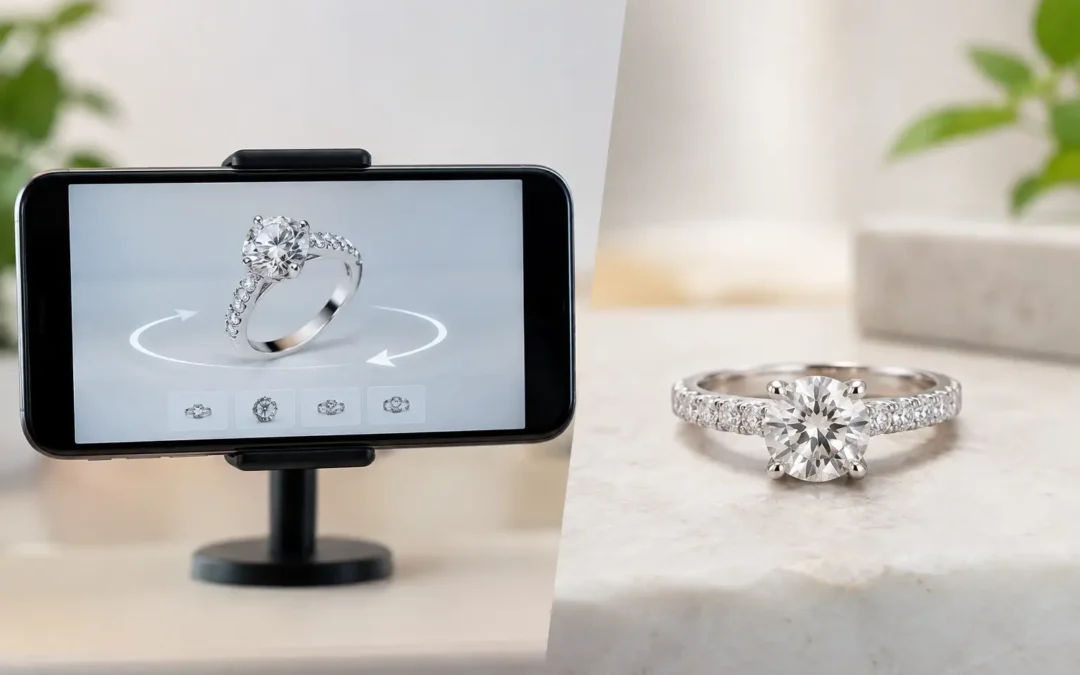
A 360 spin is best for helping shoppers understand a three-dimensional piece without handling it. It is especially effective for engagement rings, hoops, watches, pendants with dimensional settings, bracelets, and sculptural designer jewelry. The rotating view can reduce uncertainty about depth, construction, and side details that a front-facing image cannot fully communicate.
Neither replaces the other. A spin cannot deliver the same controlled hero image, tight macro detail, or polished campaign composition as a professionally retouched still. Conversely, a set of flat angles can leave a shopper guessing about a piece’s profile. Your sales channel, product type, budget, and brand position should determine the mix.
| Consideration | Professional stills | 360-degree spins |
|---|---|---|
| Best primary use | Product pages, catalogs, ads, marketplaces | Product-page engagement and dimensional viewing |
| Shows | Color, facets, surface detail, craftsmanship | Profile, depth, movement, all-around design |
| Best for | Every SKU | Selected high-consideration or dimensional SKUs |
| Repurposing flexibility | Very high | More limited, usually website and social |
| Production approach | Individual art-directed angles | A sequence of precisely aligned frames |
| Buyer benefit | Clear inspection and comparison | More confidence in shape and construction |
Why Stills Remain the Core of Jewelry E-Commerce
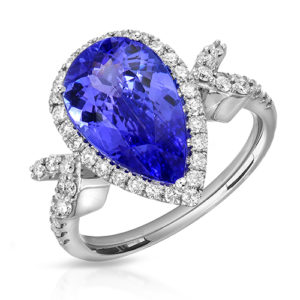
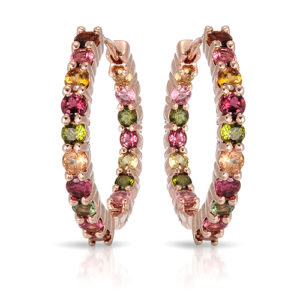
Jewelry photography has to do more than make a product look bright. It must show the correct metal tone, preserve gemstone color, reveal the cut without creating distracting glare, and make fine details readable at small screen sizes. A strong still gives the buyer a controlled, flattering view of the piece at its most persuasive angle.
For diamond jewelry, that often means carefully balancing brilliance with visible facet definition. If lighting is too direct, diamonds can become washed-out white flashes. If it is too flat, they lose life. Colored gemstones require another level of control because overexposure, inaccurate white balance, or aggressive retouching can shift their perceived color. The goal is not to create a fantasy version of the item. It is to make the actual piece look exceptional and recognizable when it arrives.
Stills also support the practical needs of a growing catalog. A standard jewelry set may include a hero image, alternate angles, close-ups, clasp or back views, and scale-focused images where appropriate. These assets can be cropped for web banners, used in paid ads, uploaded to marketplaces, and kept consistent when new collections are added months later.
For high-volume collections, consistency is commercially valuable. When every ring, earring, or pendant is photographed at a matching scale, with aligned shadows and the same background treatment, shoppers can compare styles quickly. The collection looks established, even when it includes hundreds of SKUs.
Where stills do more than a spin
A spin shows motion, but it may move too quickly for a customer who wants to inspect a pavé edge, engraving, inclusions in a stone, or the texture of a brushed finish. High-resolution stills let the shopper pause, zoom, and compare.
They also provide the clean primary image required by many marketplaces. Amazon, Etsy, wholesale platforms, and retailer portals generally depend on static product photos for thumbnails, search results, feeds, and category pages. Even when video is accepted, the still image often remains the first asset a shopper sees.
When a 360 Spin Earns Its Place
A 360-degree jewelry spin earns its production cost when it solves a buying objection that stills cannot answer efficiently. Engagement rings are a clear example. The top view may show a beautiful center stone, while the rotation reveals a cathedral setting, hidden halo, gallery detail, basket construction, and band height. Those details matter to buyers comparing rings at a higher price point.
The same applies to hoop earrings, watches, layered or articulated bracelets, and pieces with substantial side architecture. A spin creates the feeling of turning the jewelry in hand, which can make an online purchase feel less abstract. For a designer collection, it can also reinforce craftsmanship and distinguish the product page from a standard white-background catalog.
In our Los Angeles studio, we photograph 360 sequences with jewelry-specific lighting and stable positioning so the rotation looks controlled rather than jumpy. Metal reflections must remain intentional from frame to frame. A polished yellow-gold surface can easily pick up dark bands or unwanted reflections as it turns, while diamonds may flash unevenly if lighting is not designed for the entire rotation. Every frame needs to feel like part of one continuous viewing experience.
Best candidates for a 360-degree view
Consider spins first for products with a meaningful side profile, multiple materials, moving components, or a higher average selling price. Rings with elevated settings, statement earrings, luxury watches, charm bracelets, and custom pieces are often strong candidates.
Simple flat pendants, basic studs, loose gemstones, and large volume catalogs may not need a spin on every SKU. A polished front and back still set may answer the customer’s questions more efficiently. For these items, investing in more precise still angles or model imagery can produce a better return.
The Trade-Off: Cost, Speed, and Catalog Coverage
A 360 spin requires more than placing jewelry on a turntable. It involves creating a sequence of images with stable exposure, centered alignment, clean rotation, and consistent retouching. That adds production and post-production time compared with a single still image.
For an established luxury brand, the additional investment can be justified on flagship pieces, bridal collections, or hero launches. For a manufacturer with hundreds of commercial styles, photographing every SKU as a 360 may slow catalog completion and direct budget away from the white-background images needed for listings. There is no universal rule that more motion automatically produces more sales.
A practical approach is to build a reliable still-photography system first, then add spins strategically. Start with the products that receive the most traffic, have the highest margins, generate the most pre-purchase questions, or benefit most from a full profile view. Review engagement and conversion behavior, then expand the format where it proves useful.
This approach also protects visual consistency. A catalog with excellent stills across all products and 360 spins on selected premium pieces usually feels more intentional than a catalog with uneven video quality scattered across every category.
Recommended Asset Mix by Jewelry Type
For fine rings, use a front hero still, angled view, side-profile detail, interior hallmark view when relevant, and a 360 spin for elevated or intricate settings. A hand model can add scale for editorial pages or social media, but should not replace clean product shots.
For earrings, prioritize paired front-facing stills, side views, closure details, and a model image where scale is difficult to judge. Add a spin for hoops, drops, and sculptural designs whose silhouette changes substantially from different angles.
For necklaces and pendants, clean stills should show the pendant face, bail, chain detail, clasp, and back. A spin is useful for dimensional pendants, lockets, or pieces with textured edges. For bracelets and watches, rotation is particularly valuable because clasp construction, thickness, flexibility, and side profile affect the decision.
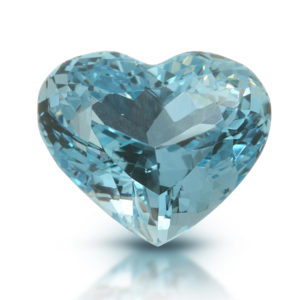
For loose diamonds and gemstones, expert still photography is usually the first priority. Accurate color, facet structure, transparency, inclusions when appropriate, and calibrated scale matter more than motion. A rotating format can be useful for selected stones, but it should never obscure truthful representation.
Build a Product Page That Helps Buyers Decide
The best product page does not make customers work to understand the jewelry. Lead with a striking, clean still that reads instantly in a category grid. Follow it with alternate angles and close-ups that answer specific questions. Use a 360 spin where dimensionality is part of the product’s value, then support the visuals with accurate material, size, and stone details.
At TN Connections, we help jewelry brands choose the right production plan before photography begins, whether that means a refined white-background catalog, high-end creative art direction, selected 360 spins, or a combination built for ongoing volume. Local clients can work with us in Downtown Los Angeles, and nationwide brands can send collections through our mail-in service. Request a free quote with your SKU count, sales channels, and reference imagery to plan a shoot that fits the collection.
Your jewelry does not need every possible asset. It needs the right evidence to make a buyer feel confident enough to choose it.