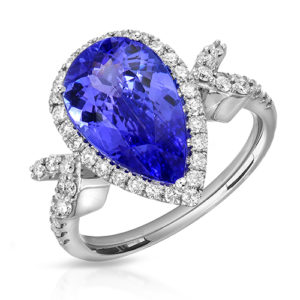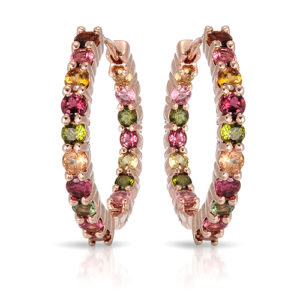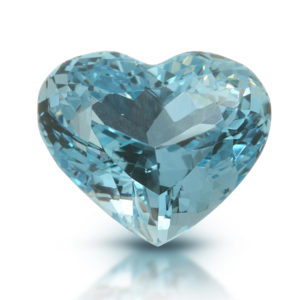
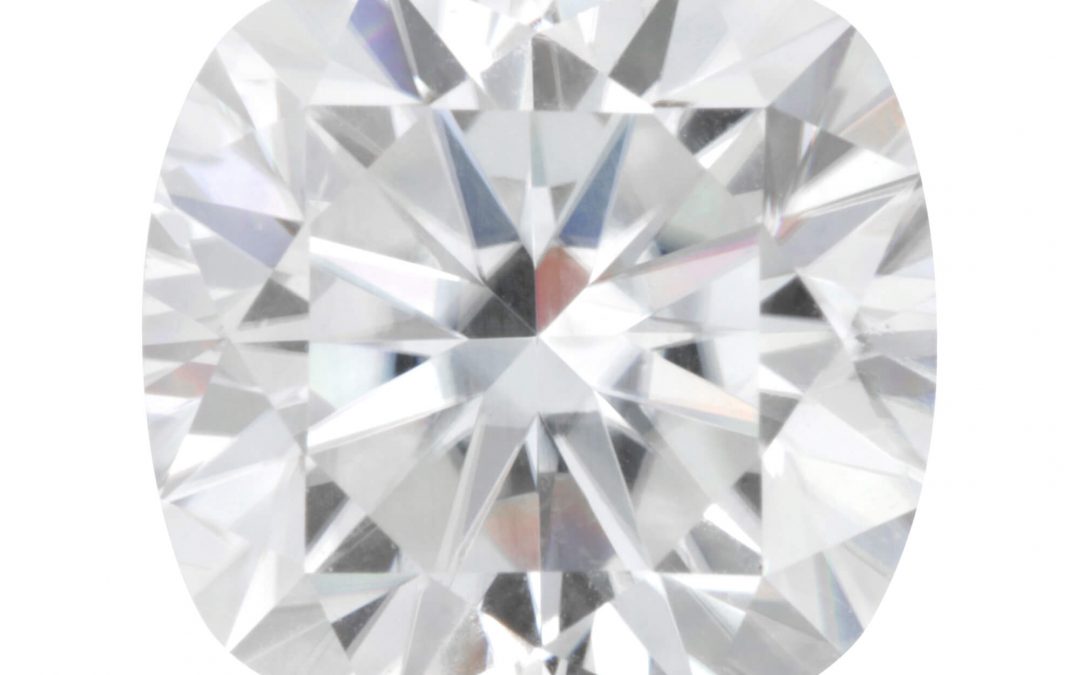
A diamond can look breathtaking under a jeweler’s loupe and surprisingly flat on a product page. That gap is where diamond photography services earn their value. Online shoppers cannot turn a ring toward the light, inspect the setting from the side, or compare stone size against a hand. Your images have to do that work in seconds, while making every piece feel worthy of attention.
For jewelry brands, retailers, designers, and gemstone sellers, diamond imagery is not simply a finishing touch for a catalog. It is part of the sales experience. Strong photography communicates quality, cut, craftsmanship, and scale before a customer reads a single specification. Weak photography creates hesitation, even when the diamond itself is exceptional.
Why Diamonds Are So Difficult to Photograph
Diamonds are small, intensely reflective, and full of facets that react differently to every change in light. A minor shift in camera angle can turn lively scintillation into a dark center. A lighting setup that creates beautiful sparkle may also introduce harsh reflections, blown highlights, or distracting reflections from the surrounding environment.
The metal around the stone adds another layer of complexity. White gold and platinum can disappear into a bright background. Yellow gold can pick up unwanted color casts. Prongs, pavé details, halos, and polished edges all need to remain crisp without competing with the center stone.
That is why standard product photography often falls short. A general studio may produce a clean image, but jewelry requires a more controlled process: precise lighting, macro-level focus, careful positioning, and retouching that preserves the piece rather than changing it. The goal is not to make every diamond look identical. It is to show each piece at its most accurate and appealing.
What Professional Diamond Photography Services Should Deliver
The right images answer the questions that keep customers from clicking “add to cart.” Is the stone bright? How does the setting sit? What does the ring look like from different angles? Is the piece delicate, bold, classic, or modern? Shoppers need both clear information and an emotional reason to want the jewelry.
Sharp detail without an artificial look
High-resolution diamond photography should reveal facets, prongs, metal texture, engraving, and side-stone placement with confidence. Yet detail alone is not enough. Excessive sharpening, heavy contrast, or aggressive editing can make a stone look unnatural and cause disappointment when the customer receives it.
Professional retouching should remove dust, fingerprints, stray reflections, and minor presentation distractions while protecting the true character of the jewelry. This balance matters especially for one-of-a-kind diamonds, antique pieces, and inventory sold with grading details. Accuracy builds trust, and trust supports conversion.
Consistent presentation across a collection
A single hero image can make a beautiful impression. A consistent catalog is what makes a brand look established. Matching backgrounds, angles, crop ratios, lighting style, and retouching standards allow shoppers to compare pieces without visual confusion.
Consistency also makes a growing collection easier to manage across your website, marketplace listings, social feeds, print materials, and sales presentations. When new inventory is photographed to the same standard, your storefront feels organized and premium instead of pieced together over time.
Multiple image types for different buying decisions
White-background product shots are essential for e-commerce, but they should not carry the entire job alone. A diamond ring can benefit from a clean front view, a side profile that shows the setting, a close-up that highlights craftsmanship, and a hand-model image that gives immediate scale.
Lifestyle and campaign images serve another purpose. They create mood, show how jewelry fits into a customer’s life, and give your marketing a distinctive visual point of view. The right mix depends on your sales channel and audience. A high-volume marketplace catalog may need efficient, standardized product images first, while a luxury designer collection may need more editorial storytelling around its launch.
The Lighting Behind Real Diamond Sparkle
Sparkle is not a filter. It is the result of managing light with care. A diamond needs enough directional light to show flashes of brilliance and enough soft, controlled illumination to preserve form and prevent deep, empty-looking areas.
A specialist photographer uses carefully placed light sources, reflectors, diffusion, and camera positioning to manage those competing needs. The setup is adjusted for the diamond’s cut, the shape of the jewelry, the finish of the metal, and the intended final use. A solitaire engagement ring does not behave like a diamond tennis bracelet, and a loose stone needs a different approach than a ring mounted in yellow gold.
There is also a practical trade-off between dramatic sparkle and literal color accuracy. A highly stylized image may be ideal for a social campaign or banner, while a product listing needs a more neutral, dependable representation. The best diamond photography services plan for both, rather than forcing one image style to solve every business need.
Choosing Images for E-Commerce, Marketplaces, and Campaigns
Every sales channel has its own visual demands. Your brand site gives you room to build a complete story through product pages, detail views, model imagery, and banners. Marketplace listings may have strict background, crop, and file requirements. Print materials need sufficient resolution and thoughtful composition long before they reach the press.
Before a shoot, define where the images will appear and what they need to accomplish. Are you launching a bridal collection? Preparing hundreds of SKU images for an online catalog? Selling certified loose diamonds? Building promotional assets for a trade show? Clear answers help the studio recommend the right shot list, styling level, and production workflow.
For many businesses, the most efficient approach is a planned combination of core product photography and a smaller set of creative assets. Photograph the full collection in a consistent e-commerce style, then select bestsellers or key new designs for hand-model, on-model, or lifestyle imagery. This protects the budget while giving your marketing team content that feels fresh and valuable.
Preparing Your Diamonds for the Camera
Preparation saves time and makes a noticeable difference in the final result. Jewelry should arrive clean, checked for loose stones, and organized by SKU or item number. If a piece has a particular feature that matters to the sale, such as an under-gallery detail, hidden halo, engraving, or unusual clasp, flag it before photography begins.
Provide any available product information that will shape the shoot. Metal color, stone type, carat weight, dimensions, and intended use can help guide angle selection and styling. For loose diamonds, grading reports and a clear understanding of whether the image is meant for identification, sales, or branding can be especially useful.
It also helps to share brand references, but treat them as direction rather than a rigid copy request. A visual style that suits another jeweler may not complement your products or audience. The most effective photography makes your collection recognizable on its own terms.
Speed, Volume, and the Value of a Specialist Process
Jewelry businesses often need imagery on a deadline: a new website launch, a seasonal campaign, an upcoming show, or a rush of incoming inventory. Fast turnaround is valuable only when the quality remains consistent. A studio built around jewelry workflows can move efficiently because its equipment, lighting methods, retouching process, and file delivery are designed for detailed, reflective pieces.
Volume pricing matters, too. If you are photographing a full catalog, predictable production and accessible per-image costs can make professional imagery practical instead of a luxury reserved for a few hero pieces. At TN Connections, volume orders can start at $12 per image, giving growing brands a way to improve presentation without losing control of their content budget.
The most useful partner is one that can scale with you. You may start with clean product shots for a new online store, then add model photography, campaign banners, jewelry video, or updated imagery as the collection expands. That continuity helps protect the visual standards your customers come to recognize.
A diamond deserves more than a quick snapshot under a bright light. Give each piece imagery that shows its precision, personality, and presence, then let shoppers see enough to feel confident making it theirs.