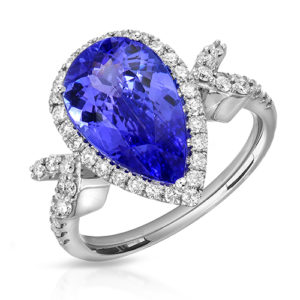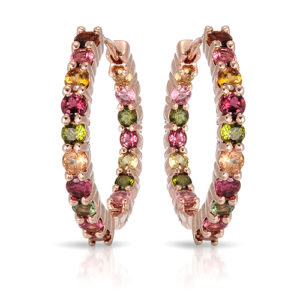
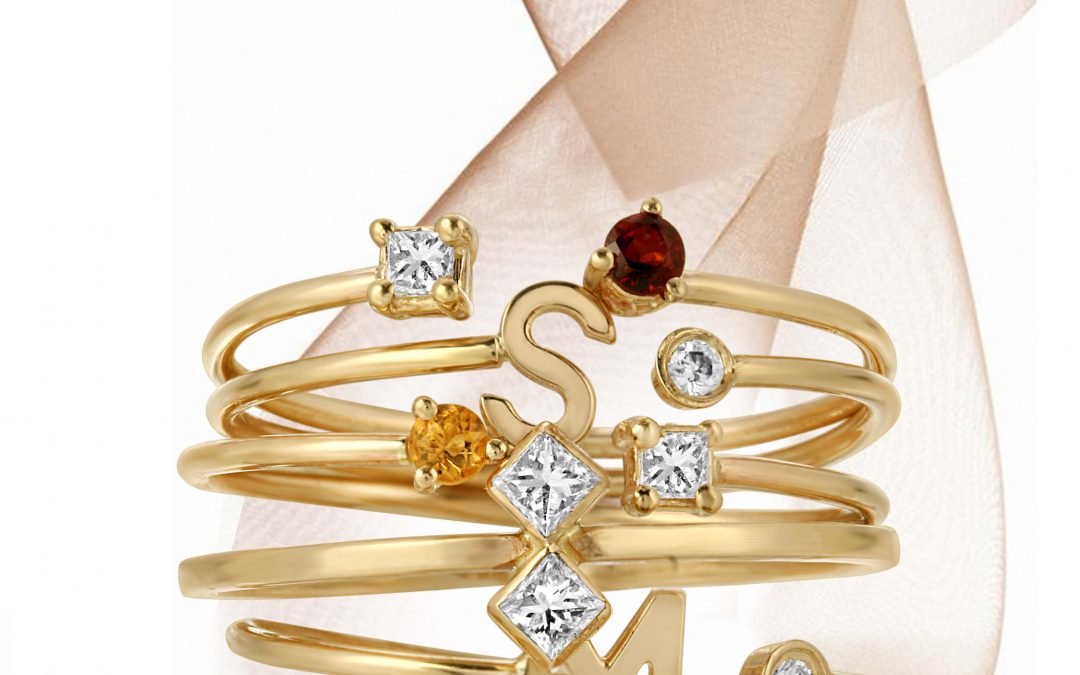
A ring that looks flat, dark, or oddly colored online does not get the chance to show its craftsmanship. For many growing brands, affordable jewelry photography for small business is not about cutting corners. It is about investing in the images that help shoppers see the sparkle, scale, detail, and value they need before they buy.
Jewelry is one of the most demanding products to photograph. Metal reflects everything around it. Gemstones can lose fire under the wrong light. Tiny prongs, engravings, and pavé details need to remain crisp at close range. Yet small businesses still need imagery that fits a real catalog budget, especially when new pieces, seasonal launches, and marketplace requirements keep moving.
The smart approach is to build a photography plan around the images that sell, then use a specialist production process that keeps quality consistent as your catalog grows.
Why Jewelry Images Are a Sales Tool
Online shoppers cannot pick up a pendant, turn a bracelet in the light, or try on earrings from a product page. Your images have to do that work. They should answer the questions a buyer may not even realize they are asking: How large is it? What does the stone really look like? Is the finish polished, brushed, textured, or matte? Does the piece feel delicate, bold, classic, or modern?
Clear product photography also supports trust. When imagery is sharp, color-corrected, and consistent across a collection, your store feels established. That matters for independent designers building their first polished storefront and for established jewelry retailers managing hundreds of SKUs.
Affordability should not mean accepting generic photos that hide the product. A lower per-image cost becomes valuable when it still includes careful lighting, professional retouching, high-resolution files, and a dependable turnaround. Otherwise, the savings can disappear when images need to be reshot or fail to convert.
Affordable Jewelry Photography for Small Business Starts With Priorities
A complete visual library can include white-background product shots, detailed macro images, jewelry on model, hand-model photography, lifestyle banners, and video. Most small businesses do not need every format for every item on day one. They need the right mix for the products they are selling and the channels where customers see them.
For a new e-commerce collection, clean product photography is usually the first priority. A consistent front view, angled view, side view, and close-up can give shoppers confidence while creating a cohesive storefront. White-background images are particularly useful for product pages, marketplaces, line sheets, and wholesale presentations.
Once the essentials are covered, consider which pieces benefit most from added context. Rings and bracelets often need a hand model to communicate scale. Earrings and necklaces may need a model image to show proportion and personality. A hero piece or seasonal collection may deserve a more creative lifestyle image for email campaigns, social media, ads, or a website banner.
This tiered approach keeps the initial production practical. Instead of paying for a large editorial shoot across every SKU, you put enhanced creative assets behind the products and campaigns where they can make the strongest commercial difference.
Build a Shot List Before Sending Products
The quickest way to control photography costs is to make decisions before the shoot begins. A clear shot list prevents delays, duplicate requests, and uncertainty about which angle belongs to which piece. It also makes catalog photography much easier to scale.
Organize every item with a SKU, product name, metal color, stone type, and any special detail that must be visible. Then identify the images needed for each piece. For example, one pendant might require a front product image, an angled image, a clasp detail, and a model shot. Another might only need two clean e-commerce views.
Be specific about where images will be used. Marketplace listings often have stricter background and crop expectations than an Instagram campaign. A square crop may work well for social posts, while a wider crop can better support a website hero banner. Planning for those uses upfront avoids trying to force one image into every placement later.
Choose Consistency Over One-Off Savings
DIY photography can make sense for quick behind-the-scenes content, informal social posts, or early product testing. But it becomes difficult to maintain when your product range expands. Different lighting, backgrounds, crops, and editing styles can make a collection look disconnected, even when the jewelry itself is beautiful.
A consistent professional process gives every piece a recognizable standard. Metal tones remain believable, gemstone colors stay accurate, and the amount of shadow or reflection does not change from one listing to the next. That consistency helps customers compare pieces and helps your brand look intentional.
For volume catalogs, per-image pricing is often more economical than trying to produce each item individually. TN Connections offers jewelry photography starting at $12 per image for volume orders, making specialist production more accessible for businesses that need polished visual assets without luxury-campaign pricing on every SKU.
What Makes Jewelry Photography Worth Paying For
The camera is only one part of the result. The real challenge is controlling light around reflective, miniature objects. A polished gold band can mirror the room. A faceted stone can appear dull if the lighting does not create the right contrast. Silver can shift cool or gray, while yellow gold can become overly orange without careful color management.
Professional jewelry photographers use controlled lighting, precise positioning, and detailed retouching to bring out the product without creating a false version of it. Retouching can remove dust, fingerprints, unwanted reflections, mounting materials, and small distractions. It should preserve the jewelry’s actual character rather than over-smoothing metal, changing gemstone color, or inventing sparkle that is not there.
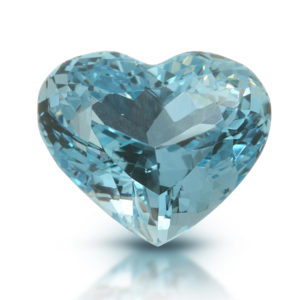
That distinction is especially important for gemstones. A customer expects the stone they receive to resemble the stone they saw online. Strong imagery should reveal brilliance and detail while presenting color honestly. For unique stones, vintage pieces, and high-value jewelry, accurate visual representation is part of customer service.
Spend More Where Context Changes the Sale
Not every product needs the same production level. A simple sterling silver stud may sell well with excellent white-background images. A statement cocktail ring, bridal set, or layered necklace collection may need model imagery to show its true impact.
Model and hand-model photography add information that a flat product image cannot. They communicate scale, fit, movement, and styling potential. They can also help a shopper imagine the jewelry as part of her own wardrobe, which is particularly helpful for higher-priced pieces or designs with unusual proportions.
Creative campaign photography has a different job. It builds desire and brand recognition. Props, textures, color, and styling can create a world around a collection, but they should support the jewelry rather than compete with it. If your brand is minimal and architectural, a busy floral set may feel off-brand. If your collection is colorful and playful, a plain catalog image alone may not express enough personality.
The best budget allocation depends on your sales model. A wholesale brand may prioritize consistent catalog assets and line-sheet-ready images. A direct-to-consumer designer may place more value on social-ready model images and campaign banners. A gemstone seller may need highly detailed, accurate close-ups above all else.
Avoid the Low-Cost Mistakes That Create More Work
The least expensive quote is not always the most affordable choice. Ask what is included before comparing rates. Are images professionally retouched? Will you receive high-resolution files? Is there a stated turnaround time? Are file naming, cropping, and color requirements handled correctly? Can the studio photograph a full collection consistently if your business grows?
Also consider the cost of weak images after they are delivered. If a listing needs replacement photos, an ad campaign underperforms, or product colors create customer confusion, the original savings may be gone. Good photography is not simply a production expense. It supports conversion, fewer visual objections, stronger merchandising, and a more credible brand presence.
A practical partner should make the process easy. You should be able to send products with a clear brief, receive polished files on schedule, and know what to expect before production begins. For remote clients, reliable communication and secure product handling matter just as much as the final image.
Create a Photography Plan That Can Grow
Start with your bestsellers, newest launch, or products with the highest margin. Give those pieces the full attention they need, then establish a repeatable standard for the rest of the catalog. As sales grow, you can add model imagery, creative assets, video, and seasonal campaign work without rebuilding your visual identity from scratch.
Your jewelry already carries a story through its materials, design, and craftsmanship. Give shoppers imagery that lets them see that story clearly, feel its value quickly, and picture the piece in their own hands.