A diamond can look spectacular in an AI-generated setting and still be the wrong diamond. The prong count may change, the metal color may drift, the gemstone may gain facets it does not have, and a bracelet can appear at an impossible scale. That is the central reality behind AI jewelry image trends: AI is becoming useful for concepting and campaign support, but it cannot replace precise product photography when shoppers need to see what they are buying.
For jewelry brands, the strongest approach is not camera versus AI. It is using each tool for the job it can actually do. Professional photography establishes a truthful, consistent product record. AI can then help extend that approved imagery into faster creative variations, social concepts, and lifestyle environments.
Where AI Jewelry Image Trends Are Heading
The most visible trend is the move from a plain product cutout to a broader content system. A single necklace may need white-background images for a product page, detailed crops for paid ads, a hand or model image to communicate scale, short video for social media, and a campaign visual that creates a mood around the collection.
AI can speed up the conceptual parts of that system. Brands are using it to test backgrounds, generate editorial-style environments, explore prop directions, and create early art-direction boards before a production is scheduled. For a seasonal campaign, it can help a team compare a warm, sunlit resort story against a cooler architectural look without building both sets.
That is valuable, especially for independent designers and e-commerce teams producing frequent launches. It also has limits. The closer an image is to the actual item a customer will receive, the less room there is for generative interpretation.
AI backgrounds built from approved product assets
One practical use is placing a professionally photographed piece into a generated setting. The jewelry is photographed first with controlled lighting, accurate color, clean edges, and proper retouching. AI can be used afterward to develop a background concept around that approved product asset.
This workflow protects the details that sell the piece: the true shape of a setting, the finish of yellow gold versus rose gold, the color of a sapphire, and the character of a diamond. It also gives the brand more flexibility than reshooting every item in multiple physical locations.
The result depends on the purpose. A dramatic generated environment can work well for a collection announcement, an email banner, or a social campaign. It is less appropriate as the only image on a product detail page, where buyers expect a clear and honest view of the jewelry.
More editorial content, faster
Luxury jewelry marketing has always relied on atmosphere. What is changing is the pace. AI makes it easier to develop multiple visual directions for different audiences, seasons, or channels. A fine-jewelry brand may want an elegant architectural campaign, while a contemporary fashion-jewelry seller may need colorful, fast-moving content for short-form social posts.
The risk is sameness. Many generated jewelry visuals rely on overly glossy skin, surreal gemstones, heavy glow effects, or generic luxury interiors. They may look polished for a second, then feel interchangeable. Original lighting, intentional styling, and real product detail are what keep a campaign from looking like it could belong to any brand.
Virtual models and scale references
Virtual model imagery is growing, particularly for early campaign planning and content variations. It can help show where an earring sits, how a ring reads from a distance, or how a necklace may layer with other pieces. Yet jewelry is unusually unforgiving in this category.
An AI model can distort ear placement, hands, fingers, clasps, and chain drape. It may also make a small pendant appear much larger than it is. For product pages and premium campaign work, real hand-model and jewelry-on-model photography remain the more dependable choice because scale, fit, posture, and shadow can be controlled deliberately.
What AI Still Gets Wrong About Jewelry
Jewelry is not a flat consumer product. It reflects everything around it, including the camera, light source, room, and photographer. Diamonds require carefully shaped light to show brilliance without turning into a field of harsh white reflections. Polished metal needs enough definition to reveal form while avoiding distracting hot spots. Colored gemstones need controlled illumination so their hue and saturation are represented accurately.
AI does not understand those physical decisions in the same way a jewelry photographer does. It predicts what jewelry should look like based on visual patterns. That can produce attractive images, but attractive is not always accurate.
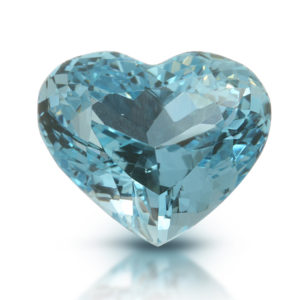
For gemstone dealers and fine-jewelry brands, this distinction carries commercial weight. A generated emerald may appear cleaner, brighter, or more saturated than the actual stone. A diamond may look larger or higher in clarity. A watch dial can gain marks, numerals, or textures that are not present. Even a small error can create customer confusion, returns, or questions about authenticity.
Catalog consistency is another challenge. An e-commerce collection needs matching crop ratios, shadow direction, metal tone, white balance, camera angle, and retouching standards across hundreds of SKUs. AI can create variation very easily. Consistency takes a defined production process.
Build the Product Image First, Then Add Creative Range
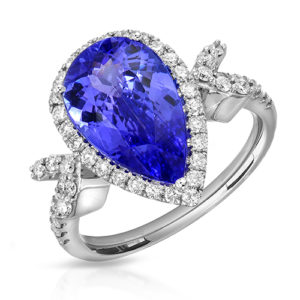
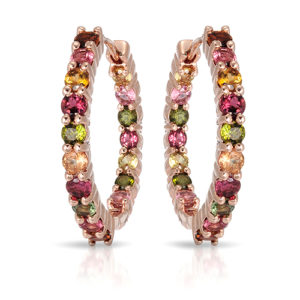
For brands selling online, the product page should begin with photography that is clear, repeatable, and true to the piece. White-background images are still the foundation for most catalogs because they let shoppers inspect the item without visual distraction. A useful image set often includes the primary angle, side views, back or closure details, close-ups of stones or craftsmanship, and an on-model image when scale matters.
From there, creative content can do its job. Lifestyle photography, model photography, collection banners, video, and AI-assisted backgrounds can give the product a richer story. The key is to keep the roles clear: catalog imagery answers “What is this?” Campaign imagery answers “Why do I want it?”
In our Los Angeles studio, we photograph the actual piece first, controlling reflections and lighting for its specific materials. That approved image can become the reliable base for retouching, marketplace listings, web catalogs, and campaign production. This approach works whether a client has a one-of-a-kind diamond ring or a high-volume commercial jewelry collection.
A Practical Standard for Using AI Responsibly
AI-generated content is best treated as a creative extension, not evidence of the product. Before publishing an image, a brand should compare it against the real item and check the details that shoppers rely on. Does the chain length look correct? Is the stone shape accurate? Are the number and position of prongs correct? Does the metal read as the right color? Is the piece shown at a believable scale?
For premium jewelry, it is also wise to maintain a clear approval process. The designer, merchandiser, photographer, and retoucher may each notice different issues. A creative director may focus on brand mood, while a gem specialist will see a color or facet problem immediately. This review is not a delay for its own sake. It protects the trust built into a luxury purchase.
Brands should be especially cautious with loose diamonds, colored gemstones, heirloom pieces, custom designs, and one-of-a-kind inventory. These pieces need factual, high-resolution photography. AI can support a campaign around them, but it should not invent the item itself.
Why Video Will Matter Alongside AI Images
As more still images become easy to generate, motion becomes a stronger trust signal. A short product video or 360-degree jewelry video reveals the way metal catches light, how a pavé surface sparkles, the depth of a setting, and the profile of a ring. It is harder to misunderstand a piece when a shopper sees it turn in real light.
Video is particularly effective for watches, diamond jewelry, sculptural designs, and pieces with movement such as drop earrings or layered chains. It can also make a product page feel more premium without requiring a full lifestyle production.
AI may help edit, caption, resize, or adapt video for different platforms. But the original footage should show the real jewelry. For high-consideration purchases, authenticity is a creative advantage.
Choose the Right Mix for Your Collection
A new designer with a limited budget may get the best return from consistent white-background photography, a few scale images, and several carefully selected campaign assets. A luxury brand launching a seasonal collection may need detailed catalog coverage plus art-directed model photography, video, and AI-assisted concept variations for social and paid media. A wholesaler or marketplace seller may prioritize fast, repeatable imaging with matching angles across a large catalog.
There is no single content formula because sales channel, price point, product type, and brand position all change the answer. What does not change is the need for the product to look like itself.
If you are considering AI for your next jewelry launch, begin by making the real piece look exceptional. TN Connections provides jewelry-specific photography, high-resolution retouching, model imagery, and 360-degree video from the Los Angeles Jewelry District, with nationwide mail-in service for remote collections. Request a free quote with your SKU count, image needs, and intended sales channels, then build creative variations from a product foundation your customers can trust.