A shopper cannot feel the weight of a ring, inspect a clasp, or watch a diamond move under light on a Shopify product page. Your images have to do that work instead. The best jewelry photos for Shopify make the piece look desirable while answering the practical questions that stop a customer from clicking Add to Cart: What does it really look like? How large is it? How does the metal finish? Will the gemstone color match the listing?
For most jewelry stores, the strongest approach is not one beautiful hero shot. It is a consistent set of clean product images supported by close-ups, scale images, and, when appropriate, model or video content. The right mix depends on your price point, product type, brand identity, and sales channel.
What Shopify Jewelry Photos Need to Accomplish
A jewelry image has two jobs. First, it needs to create an immediate emotional response. Fine jewelry should feel considered, valuable, and worth a closer look. Commercial jewelry still needs polish and appeal, even when the collection is built for volume and competitive pricing.
Second, the image must reduce uncertainty. Jewelry is reflective, small, and often difficult to understand from a single angle. A white-background image may be the most useful sales asset on the page, but it cannot always communicate how a necklace sits on the body or how substantial a hoop earring feels.
In our Los Angeles studio, we plan each product set around the questions a buyer is likely to have before purchasing. That means controlling reflections in gold, silver, platinum, and polished stones; lighting diamonds for brilliance without blowing out their facets; and retouching carefully enough to refine the image without misrepresenting the product.
The Best Jewelry Photos for Shopify: Build a Complete Set
A product page should lead with a clear hero image and then provide evidence. The shopper should not need to guess whether the pendant is flat or dimensional, whether the ring has side stones, or whether the chain is delicate or substantial.
Here is a practical image mix for most Shopify jewelry listings:
| Image type | What it shows | Best use |
|---|---|---|
| White-background hero image | The full piece, clearly and consistently | Every product page and collection grid |
| Alternate product angles | Side profile, back, closure, setting, or band detail | Rings, earrings, watches, layered pieces |
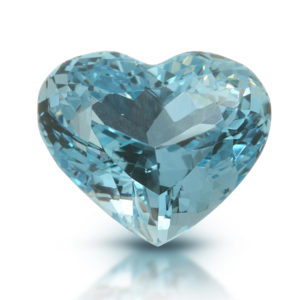
| Macro detail image | Stone facets, engraving, pavé work, texture, craftsmanship | Fine jewelry, gemstones, premium collections |
| Scale image | Real-world size on a hand, ear, neck, or wrist | Earrings, necklaces, bracelets, statement rings |
| On-model or lifestyle image | Fit, personality, styling, and brand mood | Designer collections and higher-consideration purchases |
| 360-degree or short product video | Dimension, sparkle, and movement | Diamonds, watches, complex settings, hero products |
Not every SKU needs every format. A high-volume catalog may perform well with four precise white-background angles and one scale image. A signature diamond engagement ring, heirloom collection, or luxury watch can justify macro details, on-model imagery, and a 360-degree video. The goal is to give each item enough visual proof without making the page repetitive.
Start With a Strong White-Background Hero Shot
For Shopify, the hero image has to work at several sizes. It appears in collection pages, search results, mobile screens, promotional modules, and the product page itself. It needs to be instantly legible even when it is small.
A pure or near-white background is usually the most versatile choice for catalog photography because it keeps attention on the jewelry and creates a uniform storefront. The item should be centered with consistent crop, scale, and spacing across the collection. When one ring fills the frame and the next looks distant, the catalog feels unplanned, even if both images are technically good.
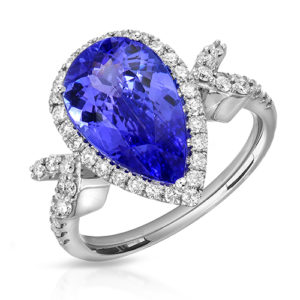
White background does not mean flat lighting. Diamonds need controlled points of light to show fire and brilliance. Yellow gold needs shape and warmth without turning overly orange. Silver and white gold need separation from the background, while highly polished metal requires careful flagging and reflection control. These are jewelry-specific lighting decisions, not generic product-photography settings.
Show the Angles That Answer Objections
A front-facing ring photograph can be beautiful, but it may hide the gallery, prong work, shank thickness, or hidden halo. A pair of earrings can look excellent from the front while leaving a customer unsure about the post, backing, and drop length.
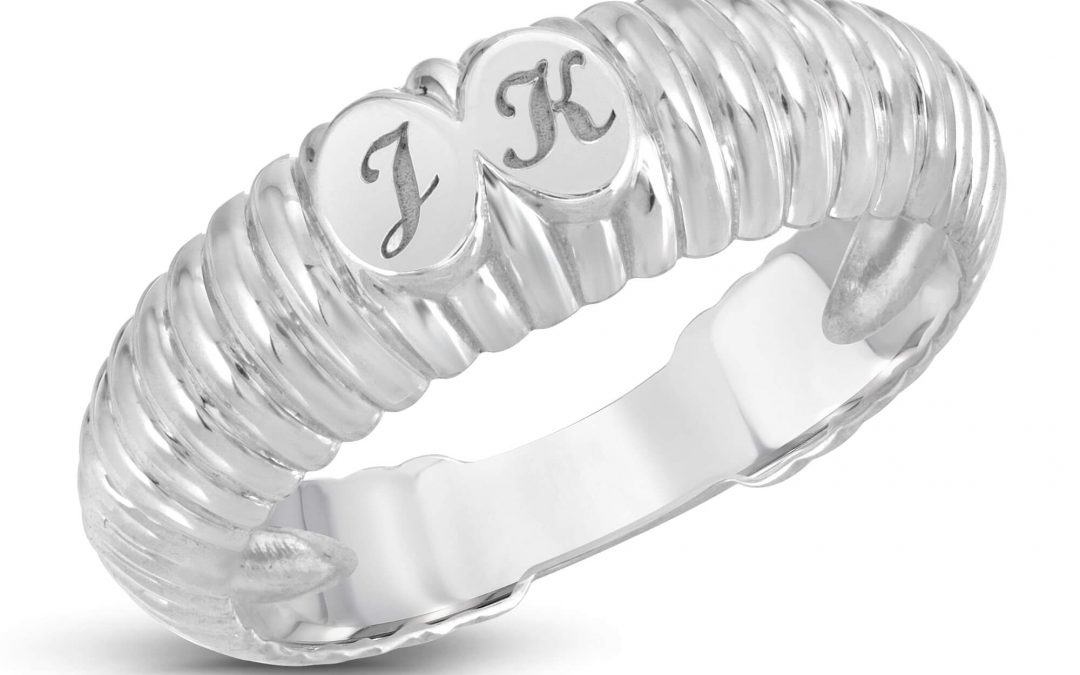
Choose alternates based on the construction of the piece. For rings, include the top view, side profile, and a close crop of important stonework. For necklaces, show the pendant detail, the full chain, and the clasp if it is a selling feature. For watches, include the dial, case profile, bracelet or strap, clasp, and crown. If a design has a special mechanism or engraving, photograph it directly rather than hoping a written description will carry the point.
Accurate representation protects the brand as much as it helps conversion. Professional retouching can remove dust, minor scratches from handling, support materials, and distracting reflections. It should not alter carat appearance, stone color, proportions, or product construction in a way that causes disappointment after delivery.
Use Model Images to Show Scale and Style
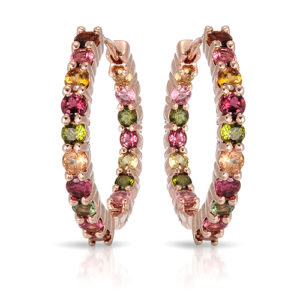
On-model and hand-model photography is especially effective when scale is a primary barrier. A shopper can read that a hoop is 30 millimeters, but seeing it on an ear is faster and more persuasive. The same applies to stackable rings, bracelets, cuffs, layered necklaces, and watches.
Model photography also gives a jewelry brand room to establish a point of view. Minimal styling can make a modern fine-jewelry line feel clean and elevated. A more editorial approach can support a designer collection, seasonal launch, or campaign banner. The trade-off is that lifestyle images should complement, not replace, clear catalog shots. A customer still needs an unobstructed look at the item.
For brands with a limited budget, prioritize white-background product photography for the full collection and reserve model images for bestsellers, new launches, and paid advertising. That sequence gives your Shopify store a dependable visual foundation before investing in campaign production.
When Video Is Worth Adding
Still images remain essential, but jewelry video is often the quickest way to communicate dimension. A short turntable clip can reveal a ring’s profile, the movement of a tennis bracelet, or the cut and scintillation of a gemstone more naturally than multiple static angles.
Video is most valuable when the product has movement, depth, substantial price, or exceptional craftsmanship. It can be less necessary for simple, low-priced basics that already read clearly in a consistent photo set. For premium products, a carefully lit 360-degree jewelry video can add the reassurance shoppers want before making a higher-value purchase.
Keep videos clean and purposeful. Fast edits, dramatic filters, and excessive sparkle effects can make it harder to assess the actual piece. The jewelry should remain the focus.
Catalog Consistency Matters More Than Many Brands Expect
Shopify stores are rarely judged one item at a time. A shopper scrolls a category page and forms an opinion about the entire brand within seconds. Consistent lighting, cropping, backgrounds, and retouching signal organization and care. Inconsistent images can make even well-made jewelry feel less credible.
This is particularly important for manufacturers, wholesalers, and growing e-commerce businesses adding dozens or hundreds of SKUs. Establish photography standards before production begins: preferred angles, crop rules, background treatment, file naming, color expectations, and retouching level. A documented process keeps new items aligned with the existing catalog and makes repeat photography faster.
TN Connections Inc. photographs luxury collections and high-volume jewelry catalogs from the Downtown Los Angeles Jewelry District, with nationwide mail-in service for brands that cannot visit the studio. For qualifying volume projects, pricing can start at $12 per image, while high-end pieces can receive the more detailed lighting, art direction, and retouching they require.
Prepare Jewelry Before the Shoot
Even expert retouching is more efficient when products arrive organized and clean. Send each item clearly labeled by SKU, with stone details, metal color, and any special requests. Include matching pairs, removable charms, alternate straps, certificates, or packaging only when they need to appear in the final images.
Inspect pieces before shipping or dropping them off. A quick clean can reduce fingerprints and residue, while secure individual packaging protects delicate prongs, chains, and gemstones. If a stone has a distinctive color or a metal finish needs particular attention, communicate that before photography begins. Reference images are helpful when they clarify brand direction, but the final goal should remain accurate representation of the actual product.
Choose Photography Based on the Product, Not a Formula
The best Shopify image strategy changes from collection to collection. A minimalist gold hoop may need clean front and side views, a scale image, and little else. A one-of-a-kind sapphire ring needs macro imagery that represents the stone’s color and inclusions responsibly, plus views that show its setting and proportion. A fashion-jewelry catalog may need efficient, uniform images at volume, while a luxury launch benefits from art-directed campaign content alongside the catalog set.
If your current product pages look inconsistent, flat, or incomplete, request a free quote and share a few representative SKUs. A jewelry-specific photography plan can match your existing catalog or establish a sharper standard for the next collection. When shoppers can see the craftsmanship clearly and trust what they are seeing, the product page has done its most valuable work.