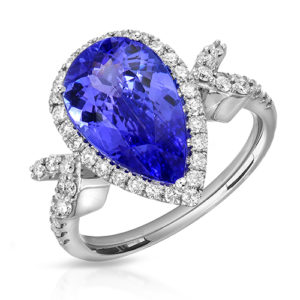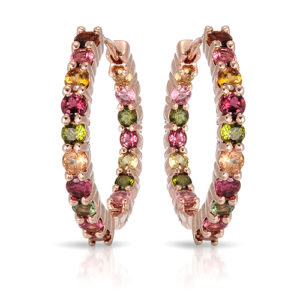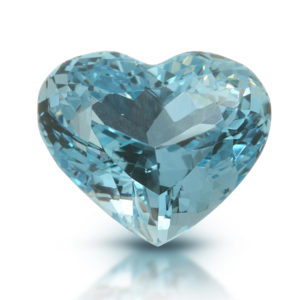
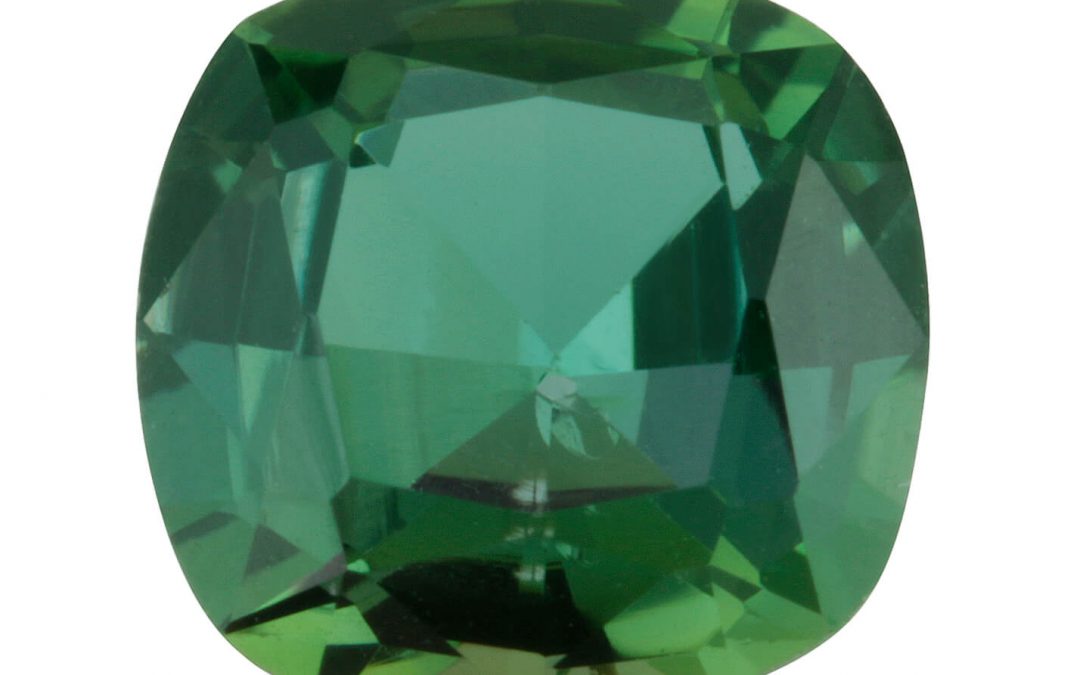
A gemstone can look electric when turned slightly in the hand, then appear flat, overly dark, or strangely pale in a product photo. That gap is why the best lighting for gemstones is not simply bright lighting. It is controlled, shaped illumination that reveals a stone’s true color, facet pattern, transparency, and liveliness without creating blown highlights or misleading saturation.
For e-commerce, the goal is not to make every gem look identical under a dramatic light. It is to show buyers what they can reasonably expect to receive. A sapphire needs enough directional light to reveal its cut, but enough soft fill to keep its body color visible. An emerald needs careful control of reflections and inclusions. A diamond needs contrast and pinpoint sparkle while its setting remains clean and legible.
What Is the Best Lighting for Gemstones?
The best lighting for gemstones usually combines a large diffused light source with precisely placed, smaller directional lights. The broad source establishes even color and reduces harsh reflections. The directional lights create facet definition, scintillation, and edge separation. Black and white cards, reflectors, and flags then shape the reflections that the camera sees through the stone and across the metal.
There is no single setup that works perfectly for every gemstone. Cut, color, clarity, size, mounting style, and intended sales channel all affect the lighting plan. A loose oval ruby photographed for a gem dealer requires a different approach from a pavé diamond ring for a luxury campaign or a large catalog of commercial birthstone jewelry.
In our Los Angeles studio, we begin by deciding what the image must communicate: accurate color, exceptional sparkle, visible inclusions, consistency with an existing catalog, or a more expressive campaign mood. That decision guides every lighting adjustment.
Soft Light Establishes Honest Color
A large softbox, diffusion panel, or light tent creates broad, gradual highlights. This is the foundation for photographing colored gemstones because it helps preserve hue and reduces the hard white hotspots that can wash out a stone’s face-up color.
Soft lighting is particularly useful for transparent and translucent gems with richer body color, including sapphires, rubies, tourmalines, garnets, aquamarines, and tanzanites. It also works well for cabochons, pearls, moonstones, and opals, where an oversized specular highlight can hide the material’s surface character.
But soft light alone is rarely enough. A gemstone lit only by broad diffusion can look dull because its facets lack contrast. The stone may be technically visible, yet it will not show the flashes and geometric structure that make a well-cut gem compelling. The solution is not to remove the soft light. It is to introduce controlled directional accents.
Directional Accents Reveal Facets and Fire
Small, focused lights add contrast to selected facets. As the camera angle, gem position, and light placement change by millimeters, these lights create bright flashes that show the stone’s cut. For diamonds, this is essential: the image needs crisp white sparkle and measured dispersion without turning the center into a featureless white patch.
Colored stones benefit too, although the accents must be more restrained. Too much direct light can push a pale sapphire toward white, make a dark emerald look black, or create exaggerated color shifts. Strong flashes may be appropriate for a creative advertising image, but they can be risky as the main e-commerce image when color accuracy is the priority.
The strongest gemstone photography often comes from balancing two truths at once: the viewer should see the gem’s natural body color, and they should also sense movement and brilliance. A still photograph cannot reproduce every flash seen in person, but good lighting can suggest that life without overstating it.
Black, White, and Reflection Control Matter as Much as Lights
Gemstones and polished metal behave like small mirrors. A faceted stone reflects the entire environment around it, while gold, platinum, and silver pick up every bright panel and dark opening in the studio. If those reflections are not designed, they become visual clutter.
White cards introduce clean brightness into dark areas of a gem or setting. Black cards create the darker lines that define polished metal edges and separate facets. Flags block unwanted reflections from reaching the stone. These tools can be more influential than increasing flash power, especially in macro photography.
For example, a diamond ring with a bright white band against a white sweep may lose its silhouette. A carefully positioned black reflection can restore its contour. Conversely, a very dark stone may need a white card near its crown to keep the facets from collapsing into shadow. The principle is simple: light the reflections, not just the product.
The Best Lighting for Gemstones Depends on the Material
Different gems react differently because they vary in transparency, reflectivity, hardness, cut, and internal structure. A reliable studio workflow adjusts for those differences rather than forcing each piece through one generic setup.
| Gemstone or Material | Primary Lighting Priority | Common Risk |
|---|---|---|
| Diamonds | Sparkle, facet contrast, clean white balance | Blown highlights and lifeless gray areas |
| Sapphires & Rubies | Saturated but believable body color | Looking too dark or overly neon |
| Emeralds | Green color, cut definition, natural inclusions | Black reflections and over-retouched clarity |
| Opals & Moonstones | Play-of-color or adularescence | Flat surface light that hides optical effects |
| Pearls | Soft luster and round form | Hard hotspots that make the nacre look plastic |
| Cabochons | Smooth polish and color depth | Reflections that obscure the dome |
Opals deserve special attention. Their color play can change radically with the direction and size of the light source, so one angle rarely tells the full story. Still photography may need several views, while a short product video can show the movement of color more honestly. The same is true for highly included gems whose character becomes clearer as light moves across them.
Match the Setup to the Selling Channel
A gemstone photo for a luxury campaign can use stronger shadows, bolder color contrast, and a more dramatic angle. It is designed to create desire and reinforce a visual identity. A main catalog image has a different job. It must be clear, consistent, and easy to compare beside dozens or hundreds of other products.
For Shopify, marketplace listings, wholesale line sheets, and white-background catalogs, we generally recommend a repeatable lighting recipe. The camera height, color temperature, background value, and retouching standard should stay consistent across a collection. This protects the brand’s presentation and makes it easier for customers to compare shape, size, color, and setting details.
For high-end collections, a practical asset mix often includes a clean front-facing catalog image, angled detail views, close-ups of the stone, and a few creative images or video clips. The commercial images answer product questions. The campaign assets provide the emotional pull that brings shoppers into the product page.
Color Accuracy Requires More Than a White Balance Setting
Even excellent lighting cannot guarantee perfect online color by itself. Gemstones shift under different lighting conditions, and buyers view images on uncalibrated screens. Still, professional photography can greatly reduce avoidable surprises.
Color accuracy begins with stable, color-consistent lights and a calibrated camera workflow. It continues with careful exposure, because underexposure makes many colored gems look muddy while overexposure removes the density that gives them character. Retouching should correct dust, temporary distractions, and minor presentation issues, but it should not turn a pale stone into a vivid one or erase meaningful inclusions from a gem sold for its natural qualities.
For high-value stones, it is often helpful to photograph a neutral reference and compare the final image against the physical piece under controlled viewing conditions. When a gemstone has a known color change, such as alexandrite, separate images under the relevant lighting conditions may be more informative than trying to imply both appearances in one frame.
Why Camera Angle Is Part of Lighting
With gemstones, moving the camera changes the lighting. A slight shift changes which facets reflect the soft source, which facets catch the accent, and whether the viewer sees through the crown into the pavilion. This is why a technically correct setup can still need patient refinement.
The most flattering angle is not always the most symmetrical one. A slightly elevated view may reveal a center stone’s depth and keep prongs from blocking it. For a loose gem, a face-up image establishes shape and color, while a side or tilted view may better show girdle thickness, pavilion depth, and cutting quality. For jewelry, the camera also has to respect the metal: a beautiful gemstone image is weakened if the ring shank looks warped or the clasp disappears into a reflection.
Professional Retouching Should Preserve the Gem’s Identity
Macro photography exposes dust, fibers, tiny scratches, and handling marks that are invisible to the naked eye. Professional retouching removes those distractions and refines metal reflections while preserving the gem’s actual characteristics. The standard should be polish, not fiction.
For luxury work, retouching may involve detailed cleanup around pavé, prongs, milgrain, engravings, and complex reflections. For larger e-commerce catalogs, an efficient, consistent retouching process keeps images clean and attractive at a practical cost. Both require jewelry-specific judgment, not a generic product-photo filter.
A well-lit gemstone gives retouching room to work. A poorly lit one forces edits that can quickly look artificial, especially around facets and saturated color edges.
If your stones are not showing their real color, sparkle, or value online, the answer is usually not more light. It is more intentional light. TN Connections photographs loose gemstones and finished jewelry in Downtown Los Angeles, with nationwide mail-in service for brands that need accurate, polished images at luxury or catalog scale. Request a free quote, and bring a few representative pieces or send them in first - a properly lit test image can set the visual standard for your entire collection.