A diamond ring can look brilliant in person and disappoint on a product page. A chain can lose its texture against the wrong background. A sapphire can shift from rich blue to nearly black under careless lighting. Ecommerce jewelry photography services solve these costly problems by giving shoppers a clear, beautiful reason to trust what they see and add it to their cart.
For jewelry sellers, photography is not a finishing touch after the collection is ready. It is part of the sales process. Your images must carry the weight, craftsmanship, color, scale, and personality of a piece that customers cannot hold in their hands. When every detail is visible and every frame feels consistent, your online storefront becomes easier to shop and far more memorable.
Why Jewelry Needs a Specialist Behind the Camera
Jewelry is one of the most demanding products to photograph. Metal reflects everything around it, gemstones respond differently to each light source, and tiny imperfections become obvious when an image is enlarged for a product page. A general product photographer may produce a clean image, but specialized jewelry work requires more control over reflections, sparkle, color accuracy, focus, and retouching.
The goal is not to make every piece look artificially perfect. It is to present it at its best while staying faithful to the product a buyer will receive. That distinction matters for retailers, designers, gemstone sellers, and marketplace merchants. Over-retouched images can create returns and disappointment. Under-produced images can make fine materials look ordinary.
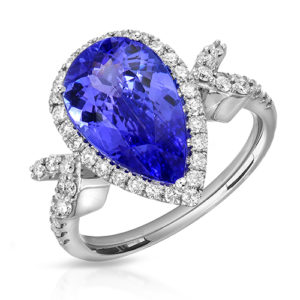
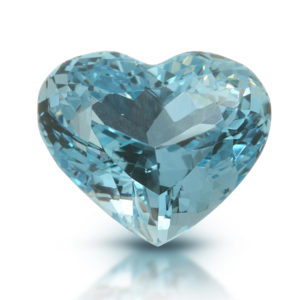
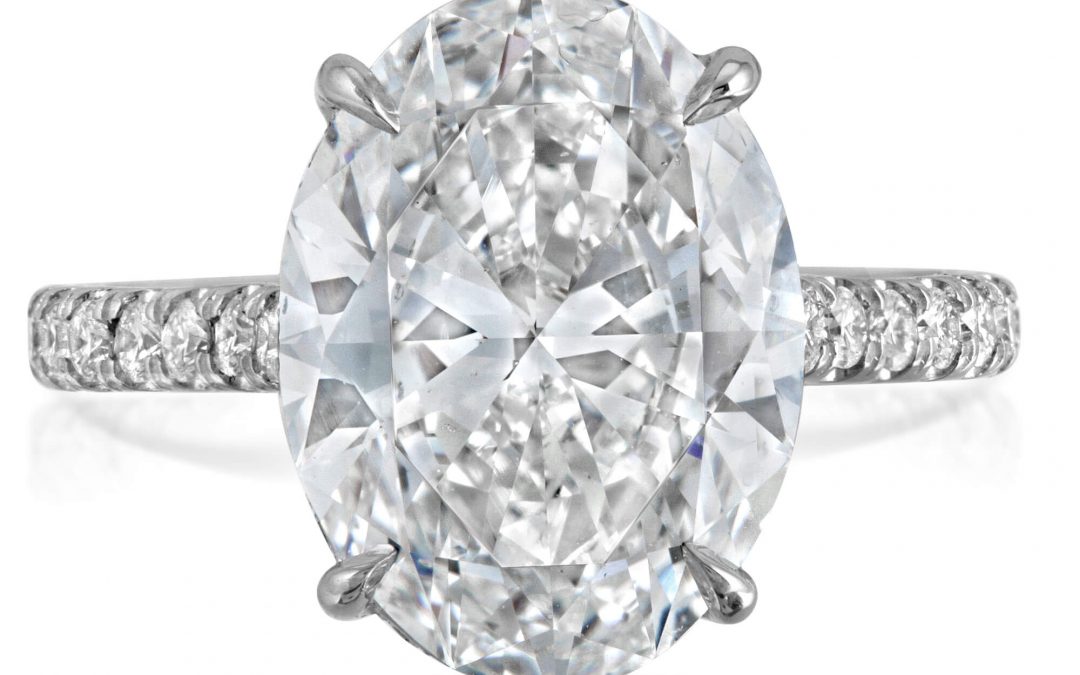
A skilled studio builds lighting around the item rather than forcing every product into the same setup. A polished gold bracelet needs controlled highlights that define its shape. A faceted gemstone needs light that reveals its cut without washing out its natural color. Pavé diamonds need enough sparkle to feel alive, while the setting must remain sharp enough for shoppers to inspect.
What Ecommerce Jewelry Photography Services Should Deliver
A useful photography partner should provide more than a camera and a white background. The right service creates a repeatable visual system for your catalog, whether you are launching ten pieces or managing thousands of SKUs.
Clean product images that answer buyer questions
Standard product photography gives customers the clear, front-facing views they expect on a website, marketplace listing, or digital catalog. These images should show the overall silhouette, metal finish, stone placement, clasps, engraving, and other details that influence a purchase.
Multiple angles are often worth the investment, especially for rings, earrings, watches, bracelets, and pieces with dimensional settings. One hero image may stop a shopper mid-scroll, but alternate views help them commit. For a ring, that might mean a straight-on view, a profile that shows the setting height, and a close crop of the center stone.
Background choice depends on where the images will appear. White-background photography is essential for many e-commerce platforms and makes collections feel organized. Soft gray, warm neutral, or carefully styled color backgrounds can be more effective for branded websites, social content, and seasonal campaigns. The strongest catalog strategy often uses both: clean product assets for conversion and creative imagery for attraction.
Accurate gemstone color and fine detail
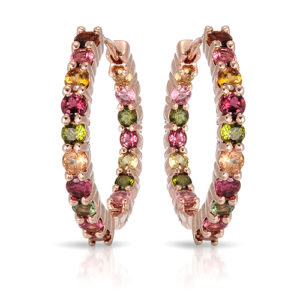
Gemstone photography is its own discipline. The camera needs to capture color, transparency, inclusions, polish, and cutting style without turning the stone into a flat patch of light. This is especially important for colored gems, loose stones, vintage jewelry, and high-value pieces where buyers want visual reassurance before they request more information or make a purchase.
Color accuracy can vary based on the gemstone, metal, finish, and intended use. A studio should discuss how the image will be viewed and what level of accuracy your customer needs. A vibrant campaign image may use more expressive lighting, while an image for a gemstone dealer or identification-related application needs a more controlled, descriptive approach.
Professional retouching completes the process. Dust, minor reflections, and temporary handling marks can be removed without erasing authentic characteristics. The finished image should look polished, high-resolution, and consistent across your collection, not plastic or misleading.
Model and hand photography that creates scale
Product-only shots are essential, but they do not always communicate how jewelry feels when worn. Model photography adds scale, movement, and emotion. A necklace can be seen at its intended length. Earrings gain personality when paired with a face, hairstyle, and wardrobe that fit your audience. Rings and bracelets benefit from hand-model imagery that makes their proportions instantly understandable.
This format is especially valuable for designers building a recognizable point of view. A minimalist fine jewelry line may need clean, elevated styling. A bold fashion collection may call for expressive poses and more color. The model should support the jewelry, not compete with it.
There is a practical trade-off. Model shoots require more planning, including casting, styling, wardrobe, and shot selection. Yet a small set of well-planned on-model images can create months of website banners, email marketing, social posts, paid ads, and launch materials. For many brands, that makes the investment work much harder than a product-only shoot.
Consistency Is What Makes a Catalog Look Expensive
A single beautiful photo is easy to admire. A full collection photographed with the same quality, angles, color treatment, cropping, and background is what builds a credible online store.
Consistency helps shoppers compare pieces without visual friction. It also reinforces brand recognition. When your products appear in search results, category pages, marketplaces, and social feeds, a recognizable visual style helps your business look established before a customer reads a word of copy.
For volume catalogs, the production process matters as much as the final image. Clear file naming, organized SKU tracking, agreed-upon angles, and dependable turnaround keep photography from becoming a bottleneck. Brands preparing for a jewelry show, seasonal launch, website refresh, or marketplace expansion need a studio that can handle details without creating extra work for their team.
At TN Connections Inc, volume jewelry photography can start at $12 per image, making professional catalog consistency more accessible for growing businesses as well as established retailers. The best quote will depend on the product type, number of angles, styling needs, retouching requirements, and total volume, but transparent planning helps protect both timeline and budget.
How to Prepare Your Jewelry for a Better Shoot
Good preparation saves time and creates stronger results. Before sending pieces to a studio, confirm that each item is clean, complete, and matched to its SKU. Include any special handling instructions, such as fragile settings, removable charms, preferred stone orientation, or product features that need close-up coverage.
It also helps to decide where the images will be used before production begins. A website collection page, Amazon-style listing, wholesale line sheet, social campaign, and printed lookbook may need different crops or formats. If you know you need square social assets, vertical stories, wide website banners, or extra space for promotional text, share that direction early.
For a new brand, a short visual brief can be enough. Describe your customer, price point, desired mood, preferred background, and a few words that define the collection: refined, romantic, architectural, playful, heirloom-inspired, or bold. This gives the creative team a foundation while leaving room for professional direction.
Choosing the Right Level of Creative Production
Not every product needs the same type of image. A large catalog of basic gold hoops may need efficient, consistent white-background photography first. A bridal collection may deserve detailed close-ups, ring-on-hand images, and lifestyle banners that create an emotional pull. A one-of-a-kind gemstone necklace may call for artistic lighting that emphasizes its rarity.
The right approach depends on your sales channel and your business goal. If shoppers are already searching for a specific product, clarity and detail may matter most. If you are trying to introduce a new brand or collection, creative images can help establish desire before customers know exactly what they want.
That is why a good photography plan usually combines practical product assets with a smaller number of high-impact campaign images. One supports easy shopping. The other gives your brand something worth remembering and sharing.
Fast Turnaround Without Cutting Corners
Speed matters in jewelry retail. Inventory cannot sell while it is waiting for images, and a delayed launch can affect promotions, trade shows, and seasonal demand. Fast delivery is valuable only when the quality remains dependable, however. Rushed lighting or inconsistent retouching creates problems that often cost more to fix later.
Look for a studio with a defined process: product intake, shooting, retouching, quality review, organized delivery, and clear communication if a question arises. Ask about expected turnaround before the project begins, particularly for high-volume work or shoots involving models, props, and creative sets.
Once your images are delivered, use them widely. High-resolution jewelry photography can support product pages, marketplaces, social media, email campaigns, digital ads, line sheets, packaging inserts, and print materials. When licensing includes perpetual worldwide royalty-free usage, your visual investment can continue supporting sales as your business grows.
Your jewelry already has a story in its materials, design, and craftsmanship. Give shoppers images that let them see it clearly, feel its appeal, and picture it as their own.