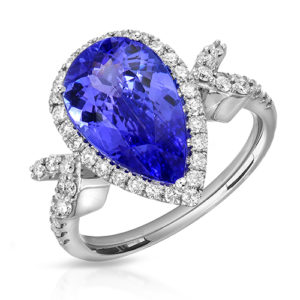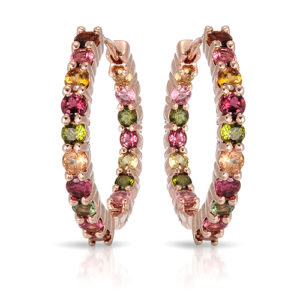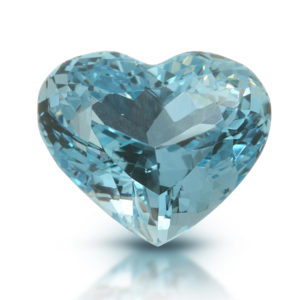
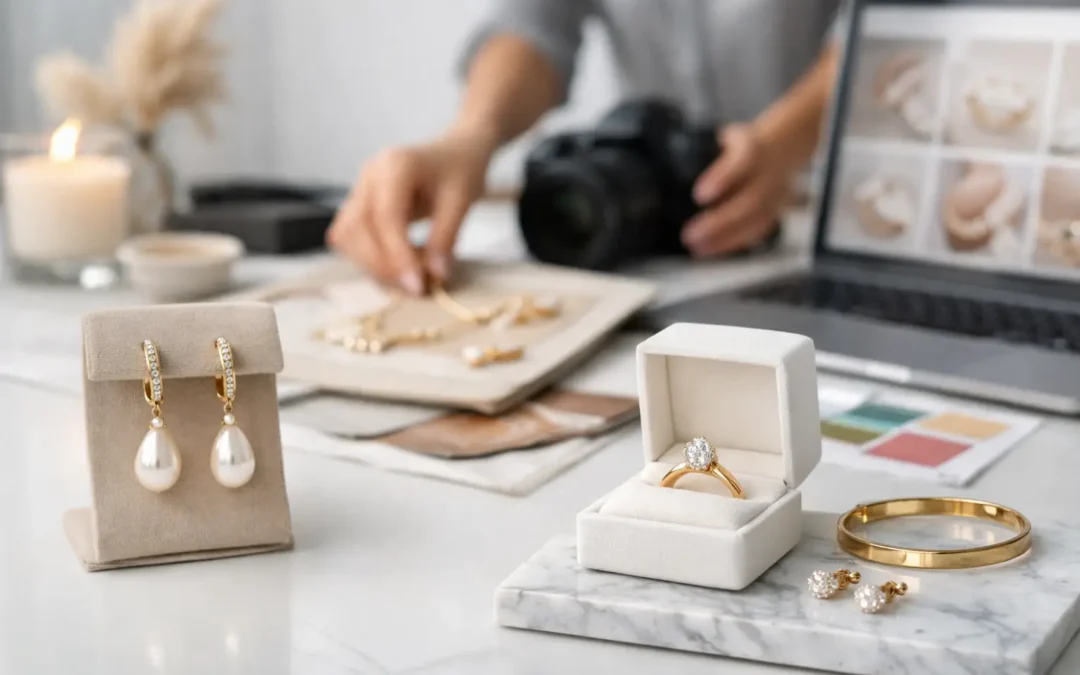
A jewelry brand can have exceptional stones, thoughtful design, and skilled craftsmanship, then lose the sale in one second because the product image makes the metal look dull, the gemstone look flat, or the scale unclear. Jewelry branding services solve that commercial problem by creating a recognizable visual system around the collection - beginning with photography that represents each piece accurately and makes shoppers want to look closer.
For jewelry businesses, branding is not just a logo, a box, or a color palette. It is the repeated visual promise a customer sees across a product page, an Instagram post, a wholesale line sheet, and a campaign image. If those touchpoints feel inconsistent, the brand can appear less established than it actually is. If they are controlled well, even a growing collection can look polished, credible, and ready for a premium customer.
What Jewelry Branding Services Should Include
The right scope depends on how and where you sell. A luxury designer launching a new fine jewelry collection may need creative art direction, on-model images, website banners, and highly detailed retouching. A wholesaler with hundreds of SKUs may need efficient white-background photography that matches an existing catalog. Both need a deliberate visual standard, but the production plan is different.
At its core, effective jewelry branding combines product photography, image selection, retouching standards, and art direction. The goal is to make every asset feel like it belongs to the same business while giving customers the information they need to buy.
Photography carries most of that responsibility. A clean front view helps a shopper compare products. A close macro crop can show pavé setting quality or engraving. A side angle explains the profile and construction of a ring. A hand-model image brings scale and personality to a bracelet or stack. Creative lifestyle work can establish the collection’s mood, but it should support, not replace, clear product imagery.
| Asset Type | Primary Job | Best Use |
|---|---|---|
| White-Background Product Image | Clarity and catalog consistency | Product pages, marketplaces, wholesale catalogs |
| Detail or Alternate Angle | Material and construction proof | Fine jewelry pages, high-consideration purchases |
| Hand or Model Photography | Scale and emotional appeal | E-commerce, social campaigns, lookbooks |
| Lifestyle Campaign Image | Brand mood and differentiation | Launches, banners, editorial social content |
| 360-Degree or Product Video | Movement and dimensional detail | Rings, watches, statement pieces, ads |
A strong brand does not need every format for every SKU. For a simple, price-sensitive catalog, a consistent primary image plus one alternate angle may be the sensible investment. For a high-value engagement ring or gemstone collection, several angles, close details, and video can answer the questions that keep shoppers from committing.
Why Jewelry Photography Is the Foundation
Jewelry is unusually difficult to photograph because polished surfaces reflect everything around them. Diamonds need light that reveals brilliance without turning facets into featureless white spots. Colored gemstones must retain believable hue and saturation. Yellow gold, rose gold, platinum, and silver each respond differently to lighting and retouching. The camera can record a piece precisely and still produce an image that feels inaccurate.
In our Los Angeles studio, we build lighting specifically for the material, cut, and intended use of the piece. We control unwanted metal reflections, shape light around gemstones, and choose angles that show proportions rather than distort them. The retouching process then refines dust, minor surface distractions, and support elements while protecting the real characteristics of the jewelry.
That distinction matters. Excessive retouching may create a dramatic image, but it can also alter stone color, erase meaningful texture, or make a piece look unlike what arrives in the box. For fine jewelry, trust is part of the brand. The most persuasive images are beautiful because they are carefully lit and finished, not because they promise something the product cannot deliver.
Consistency Creates Recognition
A collection page should not look like its pieces came from five different vendors. Changes in crop, shadow density, background tone, metal color, or image scale can make a catalog feel improvised. Consistency makes browsing easier and gives customers a stronger sense that the company understands its own product.
Before production, establish standards for background, image dimensions, primary angle, spacing, shadow treatment, and retouching level. Those standards should be flexible enough to accommodate necklaces, earrings, rings, watches, and loose stones, but stable enough that a new product photographed six months later still belongs beside the original collection.
This is especially valuable for brands adding inventory over time. Re-shooting an entire catalog is costly. Matching new work to an established photography style protects the investment you have already made.
Building a Visual Direction That Fits the Buyer
Branding choices should begin with the customer and sales channel, not a trend board alone. A minimalist lab-grown diamond brand may need bright, precise imagery that makes comparison easy. An heirloom-inspired fine jewelry collection may benefit from warmer styling, close texture details, and restrained editorial imagery. A fashion jewelry seller competing on volume may need clean, fast-loading product photos that look excellent across a large marketplace catalog.
There is a trade-off between atmosphere and clarity. Highly styled images can build desire, but they may hide clasp details, stone size, or the true shape of a hoop. White-background images are efficient and informative, but on their own they may not communicate a distinct point of view. Most brands benefit from using both: catalog photography to convert consideration into confidence, and selective campaign or model content to make the brand memorable.
Scale deserves special attention. Shoppers routinely misjudge jewelry size online, particularly with studs, delicate chains, stackable rings, and pendants. A model image, hand image, or well-planned scale reference can reduce uncertainty without cluttering the product page. For gemstone dealers, close macro imagery should reveal facets and color while a secondary view provides an honest sense of dimensions.
A Practical Production Plan for a New Collection
Start by separating the collection into product families and identifying the images each one needs. Rings may require a straight-on view, a profile, a macro detail, and a hand image. Earrings may need paired and individual views. Necklaces often need a flat product image as well as an on-model frame to show length and drape.
Next, decide what must remain identical across the catalog. This includes the background, crop, lighting character, file dimensions, naming convention, and retouching finish. Those decisions make production more efficient and help your site or marketplace listings look organized from day one.
Then reserve creative production for the pieces that can carry the story. A hero necklace, a signature ring, or a seasonal capsule may justify model photography, styled props, video, and banner crops. This approach keeps the budget focused while ensuring the collection has more than functional catalog files.
Finally, plan for the channels where the images will appear. Marketplace listings often prioritize strict white-background compliance and clear product coverage. A direct-to-consumer website has more room for alternate angles, video, and branded campaign assets. Wholesale buyers may need consistent line-sheet-ready imagery. One shoot can produce for several channels when the shot list is planned before jewelry arrives on set.
Choosing a Studio for Jewelry Branding Services
A general product photographer may create an attractive image, but jewelry requires specialized macro technique, lighting control, and retouching judgment. Ask to see work across diamonds, colored gemstones, polished metals, watches, and different jewelry scales. A studio should be able to explain how it maintains accurate color, handles reflections, protects valuable pieces, and matches new images to an existing catalog.
Also ask about workflow. Clear turnaround expectations, organized file delivery, pre-production guidance, and predictable pricing matter when a collection has dozens or hundreds of pieces. Premium quality and production efficiency are not opposites. The right process can deliver meticulous high-end work for hero pieces while keeping recurring e-commerce catalog photography practical, including volume pricing when applicable.
TN Connections Inc. works from Downtown Los Angeles in the Los Angeles Jewelry District with local clients and nationwide mail-in projects. Whether you are refining a luxury collection or building an affordable, consistent catalog, the work starts with a conversation about the pieces, the customer, and where the images must perform.
Request a free quote with your product count, preferred image types, and launch timeline. A well-planned shoot does more than make jewelry look polished - it gives customers a clearer reason to trust what they are about to buy.