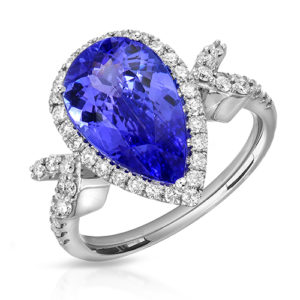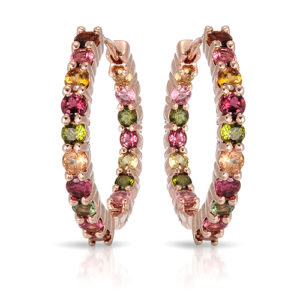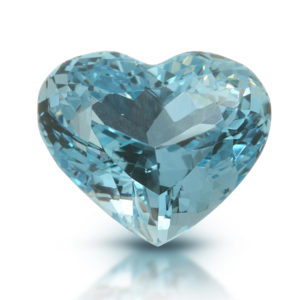
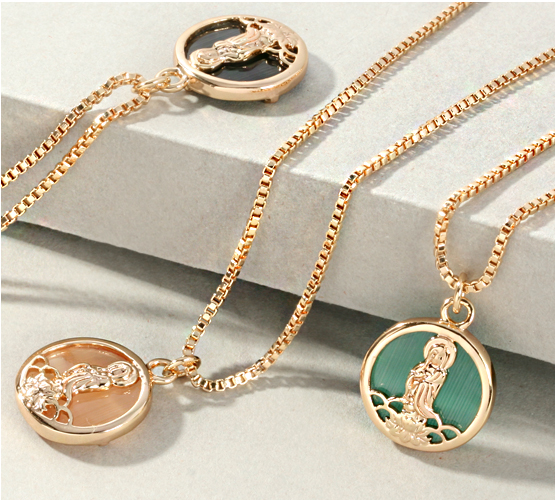
A diamond can look flat, a gold ring can pick up every unwanted reflection, and a gemstone can shift color completely when it is photographed like an ordinary product. Jewelry photography in Los Angeles requires a specialized process because buyers are judging tiny details: cut, polish, setting quality, metal color, scale, and perceived value. The image has to make the piece feel desirable while remaining accurate enough to earn shopper confidence.
For brands, designers, manufacturers, and online sellers, the right photography is not decoration around the product. It is the product presentation that helps a customer decide whether to click, compare, and buy.
What Professional Jewelry Photography Must Deliver
A strong jewelry image answers practical questions without making the product feel clinical. Is the diamond bright? Does the yellow gold read warm rather than dull? Can the shopper see the clasp, side profile, or stone setting? Does the necklace look delicate or substantial when worn?
That balance is difficult because jewelry is reflective, dimensional, and often very small. Polished metals behave like mirrors. Faceted stones can turn dark when lighting is placed carelessly. Pearls, opals, and colored gemstones need a different approach from brilliant-cut diamonds. A single lighting setup will not represent every material honestly.
In our Los Angeles studio, we build the lighting around the individual piece and the purpose of the images. A luxury campaign may call for sculptural shadows, controlled highlights, and a more editorial point of view. A 500-SKU wholesale catalog needs repeatable angles, clean white backgrounds, and consistent color from the first item to the last. Both require care, but they solve different business problems.
Jewelry Photography in Los Angeles for Every Sales Channel
The best format depends on where your customer first encounters the piece. A Shopify product page, an Amazon listing, a wholesale line sheet, and an Instagram campaign do not need exactly the same image set.
| Image format | Best use | What it helps communicate | | — | — | — | | White-background product photography | E-commerce, marketplaces, catalogs | Detail, consistency, easy comparison | | Creative or lifestyle photography | Launches, ads, social media, website banners | Brand personality and emotional appeal | | Hand-model or on-model photography | Rings, bracelets, earrings, necklaces | Scale, fit, movement, styling context | | 360-degree jewelry video | Higher-value products and product pages | Dimension, craftsmanship, shopper confidence | | Diamond and gemstone close-ups | Loose stones, fine jewelry, collector pieces | Facets, color, clarity characteristics, brilliance |
White-background photography is usually the foundation. It creates a dependable catalog system that allows shoppers to compare pieces quickly. For growing e-commerce stores, this may be the immediate priority. For a fine-jewelry brand preparing a collection launch, we often recommend pairing clean product images with a smaller set of campaign or model images. The catalog does the explaining; the campaign content creates the pull.
There is a trade-off. Creative imagery can make a brand memorable, but it should not replace clear product views. Conversely, a purely white-background catalog may convert efficiently while giving a premium collection less personality. The right mix depends on price point, brand identity, sales channel, and how much visual content a collection needs over time.
The Details That Separate Jewelry Images From Generic Product Photos
Macro photography reveals more than the eye sees. That is useful only when focus, lighting, and retouching are handled with restraint. A ring should show crisp pavé work and clean prongs, not exaggerated dust, harsh reflections, or distorted edges.
Controlling metal reflections
Gold, platinum, silver, and polished stainless steel each reflect the environment differently. The goal is not to remove every reflection. Jewelry needs shaped highlights to show curvature and finish. The problem is uncontrolled reflection: dark camera shapes, uneven bands of light, or colors from nearby surfaces that make metal look dirty.
We use jewelry-specific lighting and careful positioning to define the shape of the piece while keeping the finish clean. This is particularly important for high-polish gold and watches, where an unplanned reflection can overwhelm the design.
Showing diamonds and gemstones accurately
Diamonds need contrast as well as brightness. If a stone is lit too evenly, it can lose fire and dimension. If it is lit too aggressively, the result may look flashy but conceal the actual cut and setting. Colored stones introduce another variable: accurate hue. Emerald green, sapphire blue, ruby red, and the shifting tones of opal should read naturally, not be pushed into an artificial color during editing.
Photography cannot certify a gemstone or replace a grading report. It can, however, present the stone honestly and attractively, with visible facets, controlled brilliance, and a color profile that aligns with the piece in hand.
Choosing angles that answer buyer questions
One front view is rarely enough. For rings, the center view, side profile, gallery, and close-up of the setting often matter. Earrings benefit from a straight-on pair shot plus a view that shows depth or movement. Necklaces need detail imagery and, in many cases, an on-model image to establish length and scale.
For recurring catalogs, angle selection should become a system. Consistent angles make the website easier to browse, strengthen brand recognition, and simplify future production when new styles arrive.
Retouching Should Refine, Not Misrepresent
Professional retouching is where a finished jewelry image becomes sales-ready. It typically includes dust cleanup, scratch reduction where appropriate, background cleanup, color correction, alignment, removal of distracting reflections, and refinement of metal and stone detail.
The standard should be polish, not fiction. Removing temporary dust from a product is sensible. Changing a stone’s true color, altering its shape, or creating brilliance that does not exist is not. High-end retouching should make the viewer focus on the design, not on the realities of a macro camera capturing every tiny speck.
For established brands, matching an existing catalog is often as important as making a new image beautiful. White balance, crop, shadow style, scale, and retouching level all need to align. For new brands, the production process is an opportunity to create those standards before the catalog becomes difficult to manage.
Local Studio Access and Nationwide Mail-In Production
Working with a jewelry specialist in Downtown Los Angeles offers a practical advantage for local businesses. The Los Angeles Jewelry District is close to designers, manufacturers, wholesalers, and stone dealers who often need to review samples, deliver a collection, or coordinate a fast launch. A studio visit also makes collaborative art direction easier when a collection has a specific visual point of view.
Remote production can be equally straightforward for businesses outside Southern California. Collections can be shipped in for a defined image plan, photographed, retouched, and returned with organized final files. This approach works well for nationwide designers, marketplace sellers, and brands that need a dependable production partner without hiring an in-house team.
Before a project begins, it helps to establish the number of pieces, required angles, background style, intended sales channels, model needs, retouching expectations, and delivery timing. That information determines the quote more accurately than a vague per-image estimate alone. Volume catalog photography can qualify for pricing starting at $12 per image when the collection, angles, and production requirements fit a streamlined workflow.
When to Add Models, Lifestyle Images, or Video
A model is especially valuable when scale changes the buying decision. A substantial hoop earring, a tennis necklace, or a stackable ring can look very different when worn. Hand-model photography also gives rings and bracelets a natural sense of proportion without requiring a full fashion campaign.
Lifestyle and creative images are most useful when the collection has a story to tell. They can introduce a seasonal color palette, a bridal mood, or a distinctive designer identity. The product still needs to remain the hero. Props and surfaces should support the jewelry rather than compete with it.
Video is a strong addition for pieces with movement, intricate settings, or a meaningful price point. A short 360-degree rotation allows shoppers to inspect a piece from more than one angle, which can reduce hesitation when they cannot handle it in person.
A Better Starting Point for Your Next Collection
Bring a few representative pieces to the planning stage: one highly reflective metal item, one gemstone piece, and one style that shows the range of your collection. They reveal the lighting, angles, and retouching standard the full catalog will need. TN Connections can then build a photography plan that gives luxury pieces the precision they deserve while keeping regular and volume catalogs attractive, consistent, and commercially practical.
Ready to sparkle? Request a free quote or visit the studio in the Los Angeles Jewelry District with your collection goals, target channels, and launch date. A clear production plan now makes every future product release easier to photograph and easier for customers to shop.