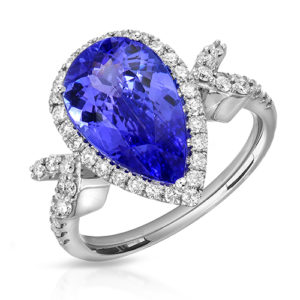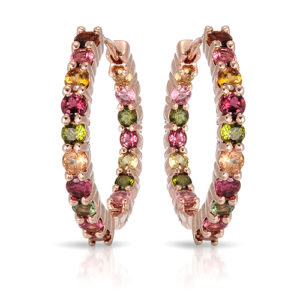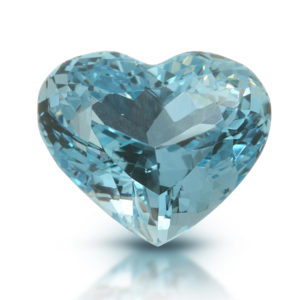
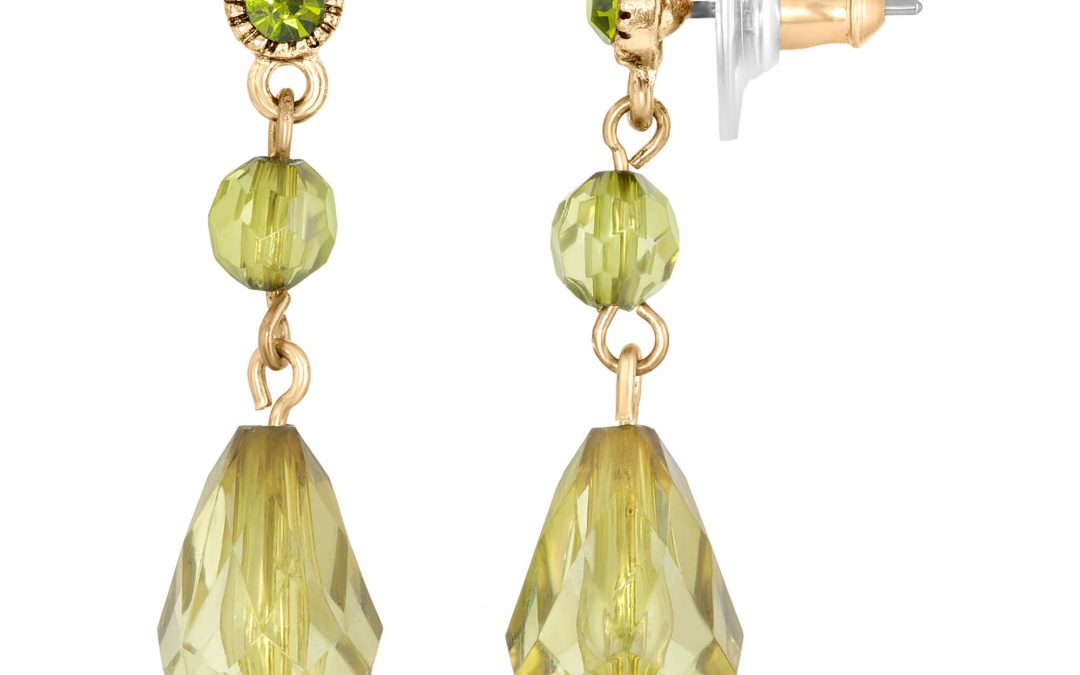
A diamond ring can be smaller than a quarter, yet shoppers expect to inspect every prong, facet, engraving, and flash of light before they buy. That is why jewelry photography pricing is not simply a cost per click of the camera. It reflects the care required to make small, reflective, high-value products look accurate, gorgeous, and ready to earn trust online.
For jewelry brands, designers, retailers, and gemstone sellers, the right question is not just, “What does a photo cost?” It is, “What kind of image does this product need to sell?” A clean white-background catalog image, a hand-model shot, and a creative campaign banner each require different planning, equipment, retouching, and production time.
What Shapes Jewelry Photography Pricing?
Jewelry photography is specialized work. Metals reflect everything around them. Gemstones need controlled lighting to show color, cut, clarity, and sparkle without looking artificially enhanced. Tiny details can disappear quickly, while a single speck of dust or crooked stone can become obvious at high resolution.
Pricing usually changes according to four practical factors:
- The number of pieces and images needed. Larger catalogs often qualify for lower per-image rates because the lighting, workflow, and retouching process can be repeated efficiently.
- The type of photography. Standard product images are typically the most cost-effective. On-model, hand-model, lifestyle, and creative campaign photography require additional production planning.
- The complexity of each piece. A simple pendant on a white background is different from a pavé bracelet, a diamond engagement ring with intricate settings, or a loose gemstone that needs multiple precise angles.
- The level of retouching and final deliverables. Cleaning reflections, correcting dust, refining metal edges, balancing gemstone color, cropping for marketplaces, and creating multiple file sizes all add value to the finished asset.
A low price without professional retouching can create more work later. On the other hand, a premium campaign production may not be necessary for every SKU in a large product catalog. The most effective budget matches the image style to the purpose of the product.
Typical Jewelry Photography Pricing Models
Most commercial jewelry studios price projects in one of three ways: per image, per piece, or by a custom project quote. Each model can work well, depending on your inventory and your goals.
Per-Image Pricing for Product Catalogs
Per-image pricing is easy to understand and especially useful for e-commerce sellers who need consistent product photography. You provide a defined shot list, such as one front view and one detail view per item, and pay for the completed images.
This structure works best when products are similar in size, style, and finish. For example, a collection of gold earrings photographed on white can move through production more efficiently than a mixed assortment of watches, gemstone parcels, necklaces, and ornate bridal rings.
Volume matters. At TN Connections, volume orders can begin as low as $12 per image, giving growing brands a practical entry point for professional jewelry visuals. That starting point is most relevant to streamlined catalog work with a clear production scope. Complex items, special lighting, additional angles, or creative styling will require a tailored quote.
Per-Piece Pricing When Each Item Needs a Set
Per-piece pricing is often useful when every product requires a complete image package. A ring, for instance, may need a hero image, side view, top view, close-up of the setting, and a scale image. Rather than calculating every frame separately, the studio can price the full set for each item.
This approach helps brands plan product-launch budgets and keep visual coverage consistent across a collection. It also prevents a common e-commerce problem: one item has five polished views while the next has only one flat, unconvincing photo.
Ask exactly what is included in the set. Confirm the number of angles, background style, retouching level, image dimensions, and whether both web-ready and high-resolution files are delivered.
Custom Quotes for Models, Lifestyle, and Campaigns
Model photography, hand shots, creative props, and jewelry video are not interchangeable with standard catalog photography. They involve more moving parts, including casting, wardrobe, makeup, studio time, prop sourcing, art direction, and image selection.
The investment can be worthwhile when a brand needs to communicate scale, personality, or a specific customer lifestyle. A necklace on white accurately shows the product. That same necklace worn with the right styling can show where it sits on the body, how it catches light in motion, and who it is made for.
For seasonal launches, advertising, retail banners, and social campaigns, a custom quote is usually the clearest option. It gives the studio room to build a production around your visual identity instead of forcing a campaign idea into a basic product-photo rate.
Why More Angles Can Be Worth the Cost
Online shoppers cannot pick up a ring, turn over a pendant, or hold a gemstone to the light. Your images need to answer the questions they would ask in person. Is the chain delicate or substantial? How large are the stones? Is the band thin? Does the gemstone have a warm or cool tone?
More views can improve confidence, but there is a trade-off. Not every item needs six angles. For a simple pair of studs, a hero shot and a close detail may be enough. For a high-ticket engagement ring or a heavily detailed designer piece, additional views can reduce uncertainty and better support the price point.
A smart shot list prioritizes the images that remove hesitation. Start with a clean hero image, then add detail, profile, scale, or on-model views where they make a buying decision easier.
Retouching Is Part of the Product Presentation
Professional jewelry retouching is not about changing the product into something it is not. It is about presenting the piece at its best while keeping materials, color, and craftsmanship honest.
Raw images often show unwanted reflections, microscopic dust, dull metal areas, loose fibers, uneven backgrounds, and color shifts caused by studio lighting. Fine retouching removes those distractions while preserving the character of the jewelry. The goal is a polished image that feels true to the piece a customer will receive.
When reviewing jewelry photography pricing, ask whether retouching is included and what “included” means. Basic cleanup may be built into a catalog rate, while extensive compositing, gemstone reconstruction, or advanced creative edits may be quoted separately. Clear expectations protect both your budget and your brand standards.
How to Budget for a Jewelry Photo Shoot
Begin with the sales channel. Marketplace listings and wholesale line sheets usually need consistent, clean product photography. Your website may need those same images plus close-ups, scale shots, and a few styled visuals. A new brand launch may need a broader mix of catalog, on-model, banner, and social content.
Next, organize your pieces before requesting a quote. Separate products by category, count the items, identify the number of required views, and flag pieces with unusual stones, reflective surfaces, or complex settings. A clear inventory list helps a studio price accurately and prevents surprises once production begins.
It also helps to think beyond the first upload. High-resolution, professionally retouched images can support your product pages, email campaigns, printed materials, retailer presentations, social posts, and show graphics. Perpetual worldwide royalty-free usage gives a visual asset more room to work for your business over time.
Get More Value From Every Image
The cheapest image is not always the most affordable one. If a photo makes a premium piece look dull, inaccurately colored, or poorly finished, it can cost more in missed sales and customer hesitation than it saves upfront. Consistency matters just as much. A polished product grid makes a brand feel established, even when the business is newly launched.
The best photography plan is usually a balanced one: efficient white-background images for the full catalog, elevated detail shots for hero products, and a focused selection of model or lifestyle images for the pages and campaigns that need emotional pull. This keeps production practical while giving shoppers a reason to pause, look closer, and buy.
Bring a clear product list and your sales goals to the quote conversation. The right studio partner can help you choose the image mix that makes your jewelry sparkle without paying for production your catalog does not need.