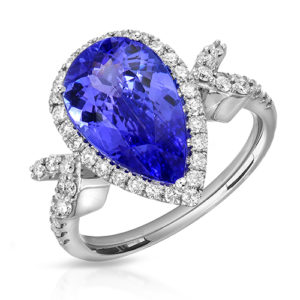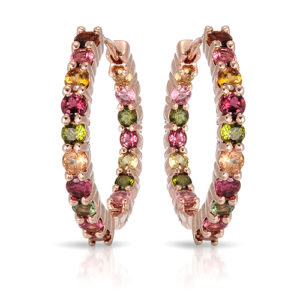

A ring can look brilliant in person and flat online for one simple reason: the shoot was planned as a product task rather than a buying experience. Effective jewelry photoshoot planning defines what shoppers need to see, how every material should read, and which images each sales channel requires before the first piece reaches the set.
For most jewelry businesses, the right plan combines clean white-background images for product pages with detail views that prove craftsmanship. A campaign, launch, or higher-priced collection may also need hand-model, on-model, lifestyle, banner, and video assets. The exact mix depends on the collection, price point, customer, and where the jewelry will be sold.
Start With the Commercial Goal
Begin with the destination, not the camera. A wholesale line sheet, an Amazon listing, a Shopify product page, and a luxury collection campaign have different visual jobs. White-background images make comparison easy and keep a catalog organized. Model photography communicates scale, fit, and personality. Creative imagery creates a mood and gives a new collection a reason to stop a shopper mid-scroll.
Decide whether the project is primarily for conversion, branding, a seasonal launch, marketplace compliance, or a mix of all four. This decision affects the shot count, prop budget, styling, retouching level, and production schedule.
A growing seller with 300 SKUs may benefit most from a disciplined catalog system: consistent crop, scale, angles, color, and shadow treatment. A fine jewelry designer launching 20 exceptional pieces may invest more time in art direction, close-up craftsmanship shots, and model images. Neither approach is better in every case. The goal is to spend where images will make the greatest commercial difference.
Build the Shot List Before Sending Jewelry
A complete shot list prevents expensive gaps after the collection has been returned, listed, or launched. Group products by category – rings, earrings, necklaces, bracelets, watches, loose diamonds, and gemstones – because each needs a slightly different visual approach.
For recurring catalog work, assign a reliable angle system to each category. This makes the site easier to browse and allows future products to match the existing collection. Include product names or SKU numbers, metal color, stone information, quantity, required angles, and intended use for every item.
| Image type | Best use | What it helps shoppers understand | |—|—|—| | Front hero image | Product pages and marketplaces | Overall design and immediate appeal | | Three-quarter view | Most jewelry categories | Dimension, depth, and stone setting | | Side or profile view | Rings, hoops, watches | Band height, structure, and proportions | | Detail macro | Fine jewelry and gemstones | Prongs, pavé, engraving, facets, and finish | | Hand or model image | Rings, bracelets, earrings, necklaces | True-to-life scale, fit, and styling | | 360-degree video | Higher-consideration pieces | Movement, sparkle, and full construction |
Not every item needs every image. Simple stud earrings may need a hero image, a three-quarter view, and an on-ear or model photo. An engagement ring often needs more: top, side, profile, gallery, macro, and hand-model views. A loose gemstone needs lighting and angles that show its cut, hue, transparency, and natural character without making inaccurate promises.
Plan for Scale, Not Just Beauty
Jewelry is small, so shoppers frequently misjudge size. Include measurements in the product description, but photographs must do their part. A hand model can make a cocktail ring feel intentional rather than oversized. An on-model necklace image clarifies chain length and placement. For catalog-only projects, a consistent crop and familiar angle can still create a dependable sense of scale across the collection.
Prepare Pieces for the Camera
Macro photography sees what the eye overlooks. Dust, fingerprints, loose threads, tarnish, plating wear, crooked earring backs, and cloudy stones can all become visible at high resolution. Build preparation time into the schedule, especially for large assortments or jewelry that has been handled at trade shows.
Inspect each piece before shipment or delivery. Confirm that clasps work, stones are secure, chains are untangled, and matching pairs actually match. Label every item with its SKU and photograph or document the outgoing inventory. For valuable pieces, include clear handling instructions and insurance requirements.
Do not rely on retouching to solve everything. Professional retouching is essential for removing temporary dust, supporting clean metal surfaces, refining distracting reflections, and keeping images consistent. It should not be used to alter the actual diamond size, stone color, metal finish, or construction of the product. Accurate representation protects shopper confidence and reduces avoidable returns.
Plan Lighting Around the Materials
Jewelry lighting is a precision task. Diamonds need controlled contrast to show scintillation and facet definition, but too much uncontrolled sparkle can hide the shape of the stone. Yellow gold can become overly warm. White metal can turn gray or mirror every object in the studio. Highly polished surfaces, enamel, pearls, and colored gemstones each need their own lighting decisions.
In our Los Angeles studio, we shape reflections rather than simply trying to eliminate them. A polished gold bangle needs intentional highlight lines that describe its curve. A sapphire must retain believable color without becoming a dark, featureless blue. A diamond should look lively while the setting, prongs, and proportions remain visible.
This is why a single lighting recipe rarely works for an entire collection. It may be appropriate for fast, consistent commercial catalog photography, but fine jewelry and unusual gemstones usually benefit from piece-by-piece adjustment. Planning identifies which pieces can move efficiently through a standard setup and which deserve additional lighting and retouching time.
Choose Backgrounds and Styling With Purpose
White backgrounds remain the foundation for e-commerce because they isolate the product and provide a clean, professional catalog. They are especially effective for retailers, wholesalers, marketplace sellers, and brands that want a consistent visual library.
Creative sets earn their place when they reinforce a defined brand position. A sculptural designer collection may need architectural surfaces and restrained shadows. Bridal jewelry may call for refined texture and soft, romantic styling. A fashion-forward line can support bolder color or movement. Props should frame the jewelry, not compete with it. If the viewer remembers the flower, fabric, or object more clearly than the ring, the styling is doing too much.
For brands that need both, photograph the core catalog first and use selected hero pieces for campaign imagery. This protects practical sales needs while giving the marketing team stronger content for banners, email, social media, and advertising.
Schedule Models, Styling, and Approvals Early
Model photography requires more coordination than tabletop work. Select hands, skin tones, wardrobe, nail styling, hair, and makeup that align with the buyer and collection. A luxury diamond line may need a polished editorial treatment, while everyday stackable rings may perform better with approachable, natural styling.
Approve a visual direction before shoot day. Share examples of crops, poses, backgrounds, preferred skin finish, and how much retouching feels authentic to the brand. Also decide whether the final assets need vertical social crops, wide website banners, square marketplace images, or all of the above. Capturing for multiple placements from the beginning is more efficient than forcing a single image into every format later.
Allow time for a first-round review, particularly when a new brand is establishing its catalog look. Once the lighting, crop, color, and retouching standard are approved, the remaining images can move faster and stay consistent.
Jewelry Photoshoot Planning for Remote Projects
A nationwide mail-in project can run smoothly when the intake process is organized. Send a spreadsheet with SKUs, quantities, image requirements, material details, deadlines, and notes about particularly valuable or delicate pieces. Package jewelry in labeled bags, boxes, or trays that prevent tangling and contact between pieces.
Remote clients should also provide existing catalog images or brand references when matching a visual standard matters. This is particularly useful for manufacturers, wholesalers, and established retailers adding new inventory throughout the year. TN Connections can photograph new pieces to align with an approved catalog style, helping an online store look intentional rather than assembled over time.
Local clients in Downtown Los Angeles and the Los Angeles Jewelry District can review samples and discuss art direction directly with the studio. For Southern California brands preparing a large launch, this can make approvals and collection handoff especially convenient.
Budget for the Images That Do the Most Work
Photography pricing is not only about image count. Complexity matters: intricate pavé, reflective metals, loose stones, multiple angles, model coordination, creative styling, high-end retouching, and video all add production time. Still, a well-planned volume catalog is often more affordable per image because the lighting and workflow can be repeated. Qualifying projects may begin at $12 per image.
When budget is limited, prioritize clean hero images, the most informative secondary angle, and a small number of scale images for bestsellers. Add campaign and model content to the pieces with the highest margin, strongest demand, or largest marketing role. The best plan is not the one with the most photographs. It is the one that gives shoppers enough accurate visual evidence to buy with confidence.
Bring a draft shot list, product count, and launch date to TN Connections for a free quote. Whether you are preparing a luxury collection, a new designer line, or a high-volume catalog, thoughtful planning gives each piece the light, clarity, and consistency it needs to sell.