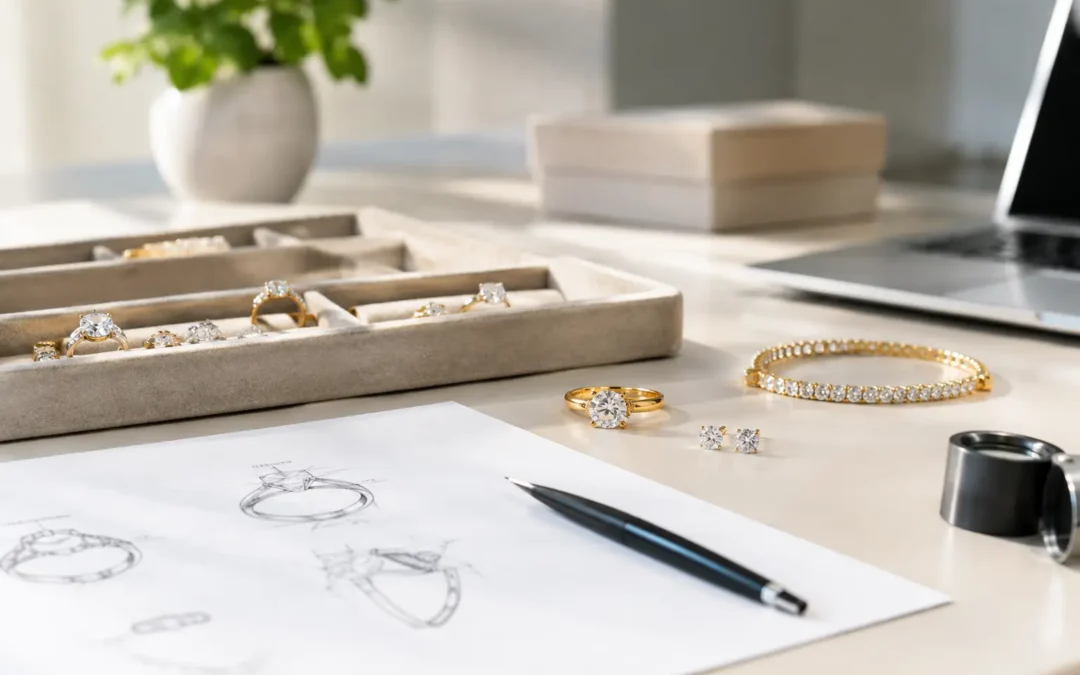
A ring can be beautifully made and still look flat, dark, or inexpensive online. That is why professional jewelry studio services are not simply about taking a clean photo. They are about showing the workmanship, color, scale, sparkle, and personality that help a shopper feel confident enough to buy.
For most jewelry businesses, the right starting point is white-background product photography with careful retouching. Add model, lifestyle, or video content when the collection needs stronger storytelling, scale, or campaign impact. The best mix depends on where you sell, your price point, and how customers make decisions about your pieces.
What Jewelry Studio Services Should Include
A specialized jewelry studio understands that metal, diamonds, colored stones, polished surfaces, and tiny details all behave differently under the camera. Generic product photography often leaves jewelry with muddy gemstones, uncontrolled reflections, inaccurate metal color, or edges that disappear into the background.
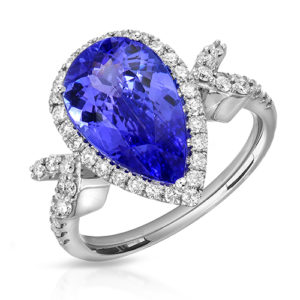
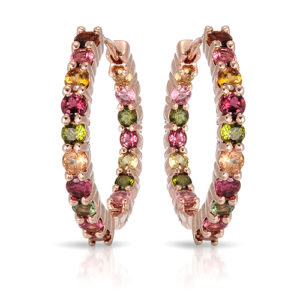
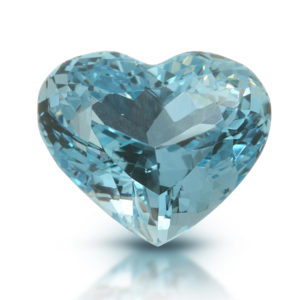
In our Los Angeles studio, we build lighting around each piece rather than applying one setup to every item. Diamonds need controlled highlights that show brilliance without becoming blown-out white spots. Yellow gold needs warmth without looking orange. White gold, platinum, and silver need clean definition so they do not blend into a pale background. Colored gemstones need lighting that respects their actual hue, transparency, and faceting.
A complete studio service commonly includes high-resolution capture, jewelry-specific lighting, angle selection, color correction, dust and scratch cleanup, and delivery files prepared for your website, marketplaces, social media, or print needs. For many sellers, the most valuable result is consistency: every pendant, ring, bracelet, and earring looks like it belongs to the same brand.
White-Background Catalog Photography
White-background photography is the workhorse of e-commerce. It is designed to make product details easy to see and to keep the focus on the jewelry rather than the setting. It works especially well for Shopify stores, wholesale linesheets, Amazon listings, retailer submissions, and large inventory catalogs.
For a catalog, consistency matters as much as the quality of any single hero image. Matching crop, scale, shadow style, background tone, and metal rendering makes a collection feel organized and credible. It also helps shoppers compare related styles quickly.
A typical product needs more than one view. A ring may need a straight-on hero angle, a three-quarter view, a side profile, and a close detail of the setting. Earrings may require front, angled, and paired views. The right number is not always the maximum number. It is the number that answers the buyer's likely questions without creating repetitive gallery images.
High-End Retouching Is Part of the Product Presentation
Jewelry retouching should refine a photograph, not invent a different product. During professional post-production, we remove dust, fingerprints, loose fibers, distracting reflections, minor surface marks, and background imperfections. We also balance exposure and color while preserving the real character of the metal and stones.
The trade-off is realism. Over-retouching can make diamonds look pasted in, smooth away texture that confirms craftsmanship, or shift gemstone colors beyond what a customer receives. Luxury brands generally need meticulous retouching because customers inspect every detail. High-volume commercial catalogs need an efficient, repeatable standard that keeps images attractive and cost-conscious.
For both, the goal is the same: a polished image that represents the item honestly and consistently.
Which Jewelry Studio Services Fit Your Sales Channel?
Different assets do different jobs. A white-background image helps a customer inspect a product. A hand-model image shows scale. A lifestyle campaign image gives the collection a point of view. Video reveals movement, fire, and dimension that still photography cannot fully convey.
| Service | Best for | What it helps customers understand |
|---|---|---|
| White-background product photography | E-commerce stores, wholesale, marketplaces | Design, material, details, and product comparison |
| On-model or hand-model photography | Fine jewelry, earrings, bracelets, rings | True scale, fit, styling, and wearability |
| Lifestyle and campaign photography | Designer launches and luxury collections | Brand mood, aspiration, and collection story |
| 360-degree jewelry video | Rings, watches, statement pieces | Dimension, setting height, sparkle, and construction |
| Social media product video | New arrivals and promotional campaigns | Motion, visual interest, and fast product discovery |
For an established catalog, start with clean product images and add model or lifestyle shots to your bestsellers and new collections. For a luxury launch, creative art direction may be central from the first shoot. For a marketplace seller, accurate white-background imagery and clear angles often provide the strongest immediate return.
When Model Photography Is Worth the Investment
Jewelry can be difficult to judge from a floating product image alone. A delicate necklace might look substantial on a white background but wear as a fine, close-to-the-neck piece. A bold cocktail ring may need a hand image to communicate its presence. Earrings, in particular, benefit from an ear or model view that shows length, proportion, and movement.
Model photography also adds emotion. It allows a customer to imagine the jewelry as part of a real look instead of a product listing. That matters for designer collections, bridal jewelry, gift-focused campaigns, and social media advertising.
Still, a model image should complement catalog photography, not replace it. Buyers still need clear close-ups of clasps, settings, textures, and stones before purchasing higher-value jewelry.
How to Prepare a Collection for Photography
Good preparation protects the pieces and keeps the production moving quickly. Before shipping or bringing in a collection, organize each style with a clear SKU, product name, metal type, stone information, and any special handling instructions. If certain stones must appear closer to a particular color, include a reference image or note.
Clean jewelry photographs better, but avoid last-minute polishing that leaves residue in prongs or under settings. Send matching pairs together, include all removable components, and check clasps, earring backs, and chains before the shoot. A missing component can delay a full catalog sequence.
For brands with existing images, provide a sample of the visual standard you want to match. We can evaluate crop, shadow treatment, background, angles, color temperature, and retouching level before photographing the new collection. Matching an established catalog is possible, but it requires a deliberate setup rather than an assumption that every white background looks the same.
Remote Projects and Valuable Jewelry
Local clients can work directly with a studio in Downtown Los Angeles near the Los Angeles Jewelry District, while nationwide clients can send collections for mail-in photography. For valuable pieces, create a detailed inventory before shipment, photograph each item for your records, and use appropriate insured shipping based on the collection value.
Remote service works well when communication is clear at the beginning. Share shot priorities, approved visual references, brand guidelines, deadlines, and intended sales channels. A short production brief prevents costly revisions later, especially for collections with multiple metal colors, loose gemstones, or custom settings.
What Affects Jewelry Photography Pricing?
Photography costs depend on the number of pieces, number of final angles per piece, styling complexity, retouching level, turnaround requirements, and whether a project includes models, props, or video. A simple, repeatable catalog of earrings has a very different production process from a luxury campaign requiring art direction and advanced compositing.
Volume can make a meaningful difference. For qualifying catalog projects, volume pricing can begin at $12 per image when the collection, angles, and production requirements support an efficient workflow. This is often a practical option for wholesalers, manufacturers, recurring e-commerce sellers, and brands refreshing a large catalog.
The lowest price is not always the lowest overall cost. Images that require reshoots, fail marketplace standards, show inaccurate colors, or make a premium product look ordinary can cost more in lost conversion than a properly planned shoot. Requesting a quote with your item count, desired angles, and delivery deadline is the fastest way to compare options accurately.
Build a Library, Not Just a One-Time Shoot
The strongest jewelry brands treat photography as a reusable sales library. A well-organized set of catalog images supports product pages, retailer presentations, email campaigns, paid ads, social posts, packaging inserts, and seasonal updates. Perpetual worldwide royalty-free usage gives your team room to use approved assets across those channels without rebuilding the visual foundation each time.
Start with the images your customers need to make a decision now, then build outward. Clean catalog views establish trust. Detail shots prove quality. Model imagery creates scale and desire. Video brings a signature piece to life. When the lighting, retouching, and art direction are planned together, every new asset makes the collection easier to recognize and easier to sell.
If your current jewelry photos do not show the care that went into making the pieces, request a free quote and bring a few representative styles to the studio. A test set can reveal the lighting, angles, and image mix your collection needs before you commit to a full production.