A useful luxury jewelry studio review should answer one question quickly: can this studio make the piece look exceptional while representing it honestly enough for a buyer to purchase with confidence? Jewelry is among the least forgiving product categories. A poorly controlled reflection can flatten polished gold. Incorrect lighting can turn a vivid sapphire dull or make diamond facets look like white glare. Attractive images are not enough - they must be accurate, repeatable, and ready for the sales channels that matter to your business.
For luxury brands, designers, wholesalers, and high-volume e-commerce sellers, the strongest studio is one that combines jewelry-specific technical control with a practical production process. That means thoughtful art direction when a collection needs distinction, but also reliable standards when hundreds of SKUs need to look like they belong in one catalog.
What a Luxury Jewelry Studio Review Should Measure
A general product photographer may be able to create a pleasant image of a necklace or ring. Fine jewelry requires a more specialized approach. Metal, stones, polished surfaces, tiny pavé settings, and delicate construction all react differently under lights and lenses.
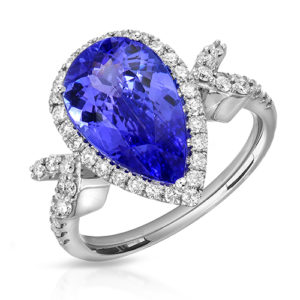
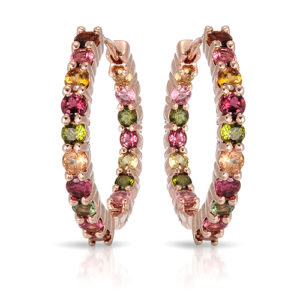
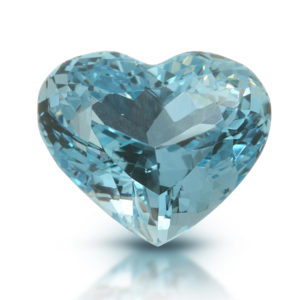
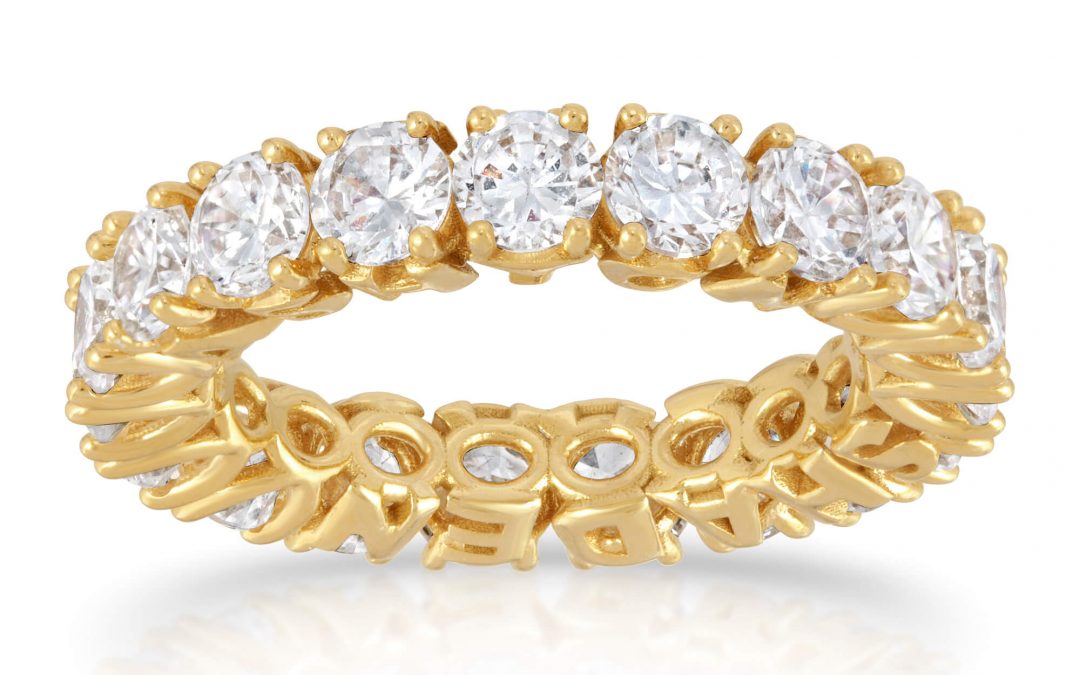
The first point to evaluate is lighting. Diamonds need controlled contrast to reveal facet definition and scintillation rather than a broad, featureless white reflection. Colored gemstones need lighting that preserves their real hue, saturation, transparency, and cut. Gold, platinum, and silver need carefully shaped reflections that describe the form without showing distracting equipment or dark edges.
The second is macro detail. At close range, fingerprints, dust, solder marks, prongs, uneven stone settings, and surface scratches become obvious. A capable studio does not rely on retouching to rescue weak capture. It begins with careful preparation, stable camera positioning, precise focus, and angles selected for the piece. Retouching then refines the result while keeping the jewelry believable.
Finally, assess consistency. A single dramatic hero image can look beautiful, but a retail collection succeeds when every product has a coherent background, scale, shadow treatment, crop, and color standard. Consistency makes browsing easier, strengthens brand recognition, and gives a growing store a more established visual presence.
Lighting Quality Is the Real Test
Many jewelry images fail because the metal looks gray, the diamonds look cloudy, or the stone color shifts from image to image. These are not minor aesthetic issues. They make customers question quality, especially when they cannot handle the item in person.
In our Los Angeles studio, we build lighting around the material and intended use of each piece. A diamond engagement ring may need a different light shape than a high-polish yellow-gold cuff. An emerald requires careful management of green color and internal characteristics. A strand of pearls needs soft, dimensional illumination that shows luster without erasing texture.
Ask to see portfolio examples that resemble your collection. A studio experienced with watches may be excellent at controlling crystal reflections and brushed metal, while a studio specializing in colored stones should be able to show accurate, detailed examples across different cuts. The goal is not to make every item look identical. The goal is to make each item look its best within a consistent brand standard.
Accurate color matters more than exaggerated sparkle
Jewelry photography is commercial photography, not fantasy. A studio can add brilliance and polish through skilled lighting and retouching, but color and material should remain truthful. Over-brightened diamonds can lose facet detail. Excessively saturated gems can create returns when buyers receive a stone that looks different from the listing.
For white-background catalog images, request a clean white background that separates the piece clearly without bleaching out the metal. For campaign work, ask how props, colored surfaces, and directional light will support the brand without overpowering the jewelry.
Retouching Should Refine, Not Redesign
Professional jewelry retouching is essential, particularly for luxury products shown at high resolution. The right work removes temporary distractions such as dust, fingerprints, stray fibers, and minor presentation flaws. It can clean edges, balance reflections, refine the background, and ensure every image meets a shared standard.
The trade-off is authenticity. Retouching should not materially change stone size, alter metal color, hide meaningful inclusions, or make a piece appear to have a construction it does not possess. This is especially important for loose diamonds, gemstones, one-of-a-kind jewelry, and pieces sold at premium prices.
A good studio should be clear about what is included. Ask whether files receive basic cleanup, high-end retouching, color correction, background finishing, and cropping for your required formats. Also ask how revisions are handled. These details affect both cost and the final quality of a product launch.
Catalog Photography Versus Campaign Content
Not every collection needs the same image package. White-background photography remains the core sales asset for product pages, wholesale line sheets, marketplaces, and inventory-driven websites. It gives shoppers a clear view of the item and makes filtering, comparing, and merchandising easier.
Campaign images have a different role. Lifestyle settings, creative compositions, model photography, and hand-model imagery create emotion, communicate price positioning, and show scale. A delicate stacking ring can look very different on a hand than it does floating on white. A pendant’s length, a hoop’s size, and a bracelet’s fit are all easier to understand when worn.
| Image Type | Best Use | Primary Benefit |
|---|---|---|
| White-background product images | Product pages, marketplaces, wholesale catalogs | Clear detail and catalog consistency |
| On-model or hand-model images | DTC stores, social media, collection launches | Shows scale, styling, and wearability |
| Lifestyle campaign images | Advertising, banners, editorial launches | Builds mood and brand distinction |
| 360-degree jewelry video | Higher-value products and detail-focused shoppers | Reveals form, movement, and sparkle |
For most brands, the best choice is a mix. Start with dependable catalog angles, then invest in selected model or campaign content for new launches, hero products, or collections with a strong story.
Production Speed, Pricing, and Scale
Luxury does not have to mean slow or unpredictable. A reliable studio sets expectations for intake, image selection, proofing, retouching, revisions, and delivery before the project begins. If your collection is time-sensitive, clarify the required launch date and whether the studio can maintain quality at that pace.
Pricing should also match the scope of work. A heavily art-directed hero image with complex retouching, multiple angles, and creative styling will cost more than a clean, repeatable catalog image. That is appropriate because the production requirements are different. Conversely, a manufacturer or retailer with recurring SKU volume should ask about standardized setups and volume pricing. At TN Connections, qualifying volume catalog projects can start at $12 per image, helping growing sellers achieve a consistent professional look without treating every SKU as a custom campaign.
Before approving a quote, make sure it identifies the number of products, angles per product, background style, model requirements, video needs, retouching level, file dimensions, and turnaround. A lower per-image rate is only a better value if the delivered files are ready for your website, marketplace listings, ads, and print needs.
A Practical Luxury Jewelry Studio Review Checklist
Before sending a collection, review the studio on four practical points: relevant jewelry portfolio quality, documented retouching standards, a clear production schedule, and pricing that separates standard catalog work from custom creative production. Then consider communication. You should be able to explain the visual direction, share reference images, confirm key angles, and receive an informed recommendation rather than a generic photo package.
Local clients in Downtown Los Angeles can benefit from in-person art direction and collection handoff in the Los Angeles Jewelry District. Nationwide brands should receive the same attention through a clear mail-in process, secure inventory handling, approvals, and organized digital delivery. Remote work is effective when the studio establishes the shot list and visual standards before the pieces arrive.
The best photographs do more than make jewelry sparkle. They help customers understand what they are buying, help merchandising teams present a cohesive collection, and give a brand visuals worthy of the craftsmanship behind every piece. Request a free quote with your product count, desired angles, reference images, and launch date, then choose a studio that can turn those details into images your customers will trust.