A champagne diamond can look warm, icy, or disappointingly brown depending on the lighting around it. That small visual difference is exactly why luxury jewelry trends matter to brands selling online. The strongest trends for 2026 are not simply about what is fashionable at a trade show. They are about pieces with material presence, personal meaning, and details customers need to see clearly before they buy.
For jewelry brands, designers, and retailers, the opportunity is clear: lead with expressive gold, colored stones, distinctive silhouettes, and layered styling, then photograph each piece with enough precision to make its value feel real on screen. A trend only helps sales when its color, scale, craftsmanship, and sparkle translate accurately across product pages, campaigns, marketplaces, and social media.
The luxury jewelry trends shaping 2026
Fine jewelry is moving away from a single, narrow idea of minimalism. Clean classics still have a place, particularly for bridal, diamond studs, tennis bracelets, and investment pieces. But many luxury collections are bringing stronger point of view to the foreground: bolder proportions, richer color, softer organic forms, and references that feel personal rather than costume-like.
Sculptural gold with visible texture
Gold remains central, but the finish is doing more of the work. Expect curved cuffs, oversized links, fluid drop earrings, domed rings, and pieces with brushed, hammered, ridged, or hand-finished surfaces. These designs need controlled highlights. If the light source is too broad, texture disappears; if it is too hard, polished areas can blow out while darker zones lose their shape.
In product photography, each angle should show the silhouette first and the surface second. A close macro crop can then reveal engraving, grain, pavé work, or an unusual edge profile. For a catalog, consistency matters as much as drama. Shoppers should be able to compare every gold finish and earring scale without wondering whether the color has changed from image to image.
Colored gemstones with a more individual point of view
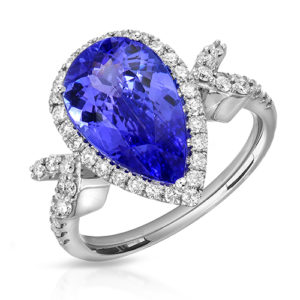
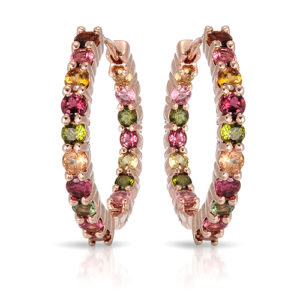
Sapphires, emeralds, tourmalines, spinels, opals, and unusual diamond colors are gaining attention because they give buyers a sense of rarity and identity. Rather than treating every stone as interchangeable decoration, luxury brands are emphasizing origin, cut, saturation, and character.
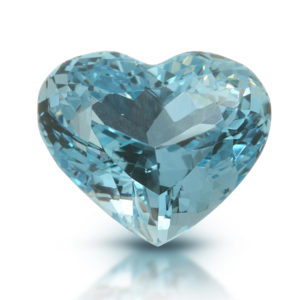
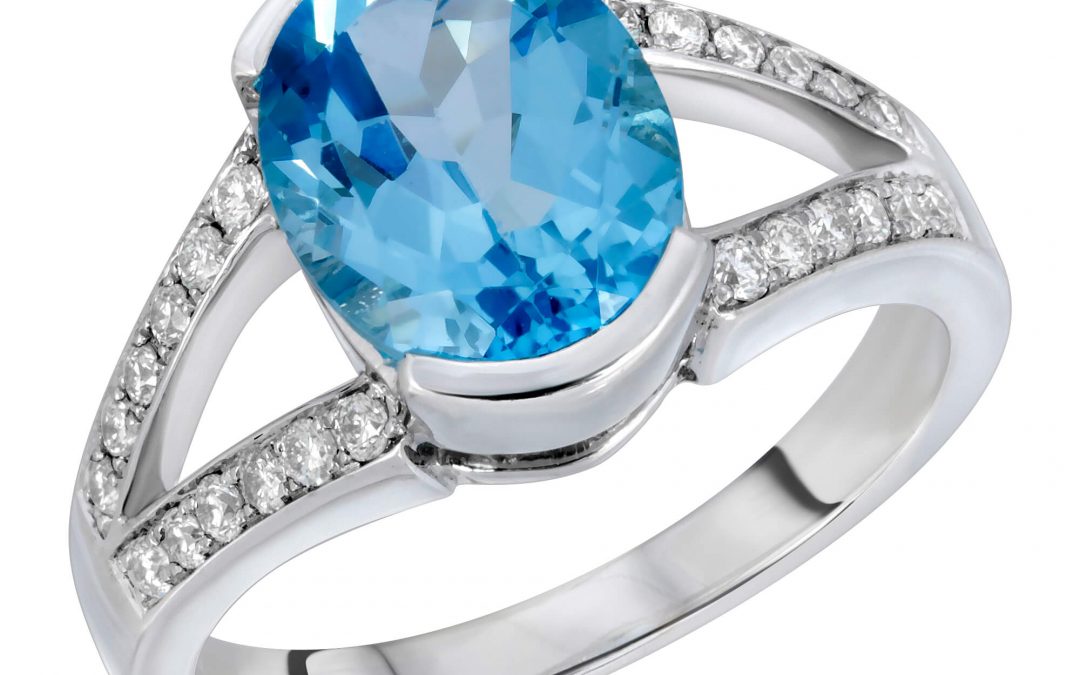
This creates a practical photography challenge. A gemstone's apparent color changes with the direction and quality of light, and an overly saturated edit can make a beautiful stone look inaccurate when it arrives. We photograph colored stones with lighting designed to show hue, facets, and internal life while retaining believable color. For a gemstone dealer or one-of-a-kind jewelry seller, that accuracy supports buyer confidence and reduces the gap between expectation and delivery.
Personal symbols, talismans, and heirloom references
Signet rings, initials, zodiac motifs, lockets, charms, and medallions continue to appeal because customers are looking for jewelry that carries a story. The luxury version of this trend is not clutter. It is thoughtful detail, quality materials, and engraving that holds up under close inspection.
Photography should make those details easy to read. A straight-on catalog image is useful, but it may not show a raised monogram, hand engraving, or the depth of a relief design. Add a detail image and an angled view that reveals the dimensionality. For necklaces and charms, a hand-model or on-model image also answers an essential question: how does this piece sit and move when worn?
Layering, stacking, and mixed proportions
Customers are still building collections rather than purchasing only isolated pieces. Stacking rings, layered chains, mixed-width bangles, and ear curation create natural opportunities for add-on sales. Yet a product page needs to show both the individual item and its role in a larger look.
A white-background image keeps the product searchable and easy to compare. A styled grouping or model image shows how a fine chain layers with a statement pendant, or how a slim diamond band works beside a wider gold ring. The best approach depends on the sales channel: marketplaces usually need clarity first, while a direct-to-consumer campaign can make more room for a styled point of view.
Diamond classics with sharper styling
Classic diamonds are not disappearing. They are being presented with more intentional styling, from bezel-set solitaires and east-west cuts to graduated tennis designs and diamond pieces worn every day. This is a reminder that trend direction does not always mean novelty. Sometimes it means showing a familiar product in a more current, wearable context.
Diamonds demand disciplined lighting. The goal is not to create random glitter that hides the cut. It is to produce clean brilliance, visible facets, controlled fire, and enough contrast to separate the stone from its setting. A diamond that looks flat, gray, or overly edited can make even an exceptional piece feel less valuable.
What each trend needs from photography
The visual treatment should follow the product, not force every collection into the same campaign formula.
| Jewelry direction | Essential imagery | Why it converts |
|---|---|---|
| Sculptural gold | Front, profile, macro texture, model scale | Shows volume, finish, and wearability |
| Colored gemstones | True-color product views, facet detail, video | Builds confidence in color and stone character |
| Engraved or symbolic pieces | Straight-on detail and angled close-up | Makes meaning and craftsmanship legible |
| Layering collections | Individual catalog images and styled sets | Supports comparison, cross-selling, and styling ideas |
| Diamond classics | High-resolution product views, macro, 360 video | Demonstrates brilliance, setting quality, and scale |
A single hero image rarely carries the entire job. For most fine-jewelry product pages, we recommend a consistent primary view, a second angle, a close detail, and at least one scale reference where appropriate. Rings benefit from profile views that show the setting height. Earrings need front and side views. Necklaces often need a clasp or pendant-detail image, especially when construction is part of the value proposition.
Luxury jewelry trends need color-true, reflection-controlled production
Luxury buyers notice inconsistencies quickly. A yellow-gold ring that appears rosy in one image and greenish in another makes a collection look less considered. Likewise, uncontrolled reflections can turn polished metal into a mirror of the camera, studio, or surrounding props.
In our Los Angeles studio, we use jewelry-specific lighting and macro techniques to shape the metal rather than merely illuminate it. The process involves positioning highlights to define curves, creating separation between diamonds and prongs, and maintaining a clean white background without cutting away natural edges. Professional retouching then removes dust, minor distracting reflections, and presentation flaws while preserving the honest character of the piece.
Retouching should refine, not rewrite. It is reasonable to clean a metal surface, balance exposure, and make a background consistent. It is not a good long-term strategy to alter stone color, erase meaningful inclusions from a unique gem, or make a delicate setting appear heavier than it is. Brands that sell high-value pieces benefit from images that feel polished and credible at the same time.
Still images, model photography, and video each have a role
White-background photography remains the foundation for e-commerce, wholesale sheets, Amazon listings, and collection pages. It gives customers a clean view and helps maintain a consistent catalog as new products are added. For established collections, matching the existing crop, shadow treatment, metal color, and angles is often more valuable than reinventing the visual direction.
Model photography adds scale, personality, and emotional context. It is especially useful for earrings, chains, bracelets, and statement rings that appear smaller or larger than expected in isolated product images. A close hand-model shot can show a ring's profile and proportion without distracting from the design. Lifestyle campaign imagery can go further, using wardrobe, surfaces, and styling that fit the collection's price point and audience.
Video fills a different gap. A 360-degree jewelry video lets a buyer inspect a ring basket, see the movement of a pendant, or understand how a gemstone responds to light. It can be particularly persuasive for high-ticket pieces, intricate settings, watches, and one-of-a-kind gems. Still images remain essential for product grids and search, but motion creates a stronger sense of physical presence.
Build trend-led content without losing catalog discipline
The most effective jewelry brands separate their production into two connected tracks. The first is the core catalog: reliable, high-resolution imagery that presents every SKU consistently and can be produced efficiently at volume. The second is the campaign layer: model shots, styled sets, creative crops, banners, and social video that give a seasonal collection its personality.
That balance works for a growing independent designer as well as a large manufacturer. Not every item needs an elaborate campaign set, and not every collection should be photographed as a plain cutout. A commercially smart shot list puts production budget where it will change the buying decision.
TN Connections serves luxury brands that need meticulous art direction and high-end retouching, along with manufacturers, wholesalers, and e-commerce sellers who need attractive catalog photography at scale. Based in the Downtown Los Angeles Jewelry District, our team also works with nationwide mail-in projects, providing clear production expectations and qualifying volume pricing starting at $12 per image when applicable.
Before your next launch, place the collection on a screen at the size your customers will actually use. If the stone color is uncertain, the metal shape disappears, or the scale is hard to judge, the trend has not yet become a convincing product story. Request a free quote to plan photography that gives every piece its proper presence.