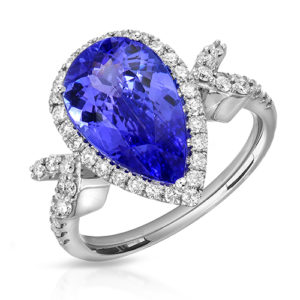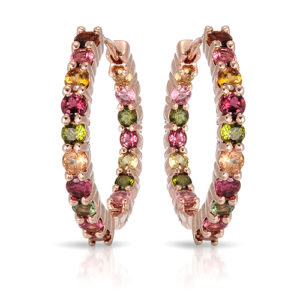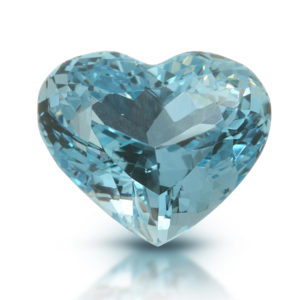

When your collection is not in Los Angeles, a mail in jewelry photography guide should answer one question first: can you get premium, accurate product images without being in the studio? Yes - provided the project is planned before the pieces ship. The strongest remote projects combine secure handling, a clear shot list, jewelry-specific lighting, and retouching standards that make every item feel like part of one polished catalog.
For a diamond tennis bracelet, a colored-stone ring, or a 300-SKU fashion collection, photography is not simply a matter of placing jewelry under lights. Metal must retain clean edge definition without distracting reflections. Stones need brilliance while still showing their true color and cut. Scale, clasp details, engravings, and earring backs need to be resolved before production begins. That is why a mail-in process should be treated as a coordinated production job, not a box of products sent with vague instructions.
How mail-in jewelry photography works
A remote jewelry photography project follows the same visual standards as an in-studio appointment. The difference is that approvals, product information, and creative direction happen before the shipment arrives. In our Downtown Los Angeles studio, we begin by confirming what the images need to accomplish: clean e-commerce listings, marketplace compliance, a luxury collection launch, wholesale line sheets, social content, or a campaign with models and props.
Once the scope is confirmed, the client ships the pieces with an itemized inventory. We receive, inspect, photograph, retouch, and deliver the approved image files digitally. The jewelry is then returned using the agreed shipping method. Timing depends on item count, the number of final images per piece, styling, and the level of retouching required. A simple white-background catalog moves differently from an art-directed campaign or a project involving 360-degree jewelry video.
For recurring collections, the advantage grows over time. We can document your preferred camera angle, crop, background, shadow treatment, metal tone, and retouching approach so new launches match the catalog customers already know.
Prepare your shipment before it leaves
The quality and speed of a mail-in project often depend on preparation. Start with a numbered inventory that identifies each piece by SKU, style name, metal, stone, and declared value. If pieces look similar, include a small reference photo or distinguishing note. A pair of nearly identical earrings can have different stone colors, lengths, or post styles that matter in the final images.
Clean each item gently before packing. Dust, fingerprints, residue, and loose protective stickers create unnecessary retouching time and can hide details that should be visible. Do not attempt aggressive polishing on delicate plating, antique finishes, pearls, opals, emeralds, or soft gemstones. If a piece has known fragility, loose stones, or an unusual clasp, say so in the inventory notes.
Pack individual pieces in labeled bags, pouches, or containers, then place them in a well-padded inner box. Avoid letting chains, earrings, and pendants move together in transit. Use a sturdy outer carton and choose an insured, trackable shipping service appropriate to the value of the collection. Keep your inventory, shipment receipt, tracking number, and photographs of the packed contents until the project is complete.
For high-value fine jewelry, it is wise to confirm shipping requirements with your insurer or carrier before sending anything. Coverage rules, declared-value limits, signature requirements, and acceptable packaging can vary. The safest workflow is always the one documented by your business and insurance provider.
Give the studio a shot list, not a guess
A photograph can be beautifully lit and still fail commercially if it does not show what a buyer needs to see. Your shot list turns a remote production into a deliberate sales asset. It should state the number of final images required per SKU and where those images will appear.
For most e-commerce jewelry, a front-facing hero image plus detail views is a practical starting point. Rings may need a straight-on view, a three-quarter angle, side profile, and close-up of the center stone or setting. Necklaces often need a pendant close-up, chain detail, and a scale image. Watches may require dial, case, clasp, and crown views. Loose diamonds and gemstones benefit from angles that reveal facets, transparency, color, and the overall outline without misleading enhancement.
Reference images are helpful, especially when you have an existing website catalog or a specific luxury aesthetic. They should communicate direction, not force an exact copy of lighting that may not suit the material. A highly polished yellow-gold cuff, for example, needs a different reflection strategy than a pavé diamond ring. The goal is consistency in the final collection, not identical lighting formulas for every piece.
Choose the image type by sales channel
| Image Type | Best Use | What It Helps Show |
|---|---|---|
| White-Background Product Image | Shopify, Amazon, wholesale, product pages | Shape, material, clean catalog consistency |
| Detail Macro Image | Fine jewelry and gemstone sales | Setting quality, facets, texture, craftsmanship |
| Hand or Model Image | Rings, bracelets, earrings, necklaces | Real-world scale, fit, personality |
| Lifestyle or Campaign Image | Brand launches, social, banners | Mood, positioning, collection story |
| 360-Degree Video | Higher-consideration product pages | Dimension, movement, clasp and side details |
It depends on the product and buyer. A wholesale catalog may prioritize fast, uniform white-background images, while a direct-to-consumer luxury launch may need the same product photographed for product pages, editorial banners, and social media. Planning those assets together is usually more efficient than mailing the collection more than once.
What professional jewelry retouching should preserve
Retouching should make jewelry look cared for, not artificially rebuilt. It removes temporary distractions such as dust, fingerprints, fine scratches, background inconsistencies, and distracting reflections. It can also refine metal edges, balance exposure, correct an inaccurate color cast, and keep a white background truly clean.
It should not change the product customers receive. Over-whitening diamonds can make a stone look unlike its actual color. Excessive sharpening can create harsh halos around prongs. Altering gemstone saturation may produce attractive images but disappoint a buyer when the piece arrives. This matters especially for emeralds, sapphires, opals, colored diamonds, and stones with natural inclusions.
Ask how retouching is handled before choosing a studio. For luxury work, the right level is often more detailed because close inspection is part of the purchase decision. For high-volume commercial catalogs, the priority may be consistent, attractive images at an efficient per-image rate. Both need skilled work; they simply require different production choices.
Set expectations for color, scale, and turnaround
Jewelry photography can represent color accurately, but screens are not identical. Display settings, ambient light, and a shopper's device can all shift how metal and gemstones appear. Providing material details and color references helps the studio make better choices, particularly for rose gold, colored stones, enamel, and mixed-metal designs.
Scale deserves equal attention. A product-only image keeps a catalog clean, but it may not communicate how a petite pendant sits on the body or how substantial a cocktail ring feels. Adding one hand-model, model, or measured-detail image can reduce uncertainty without changing the clean product-page presentation.
Before shipping, agree on the delivery schedule, file dimensions, background requirements, naming convention, and revision process. Marketplace sellers may need square crops and pure-white backgrounds. A jewelry designer might need high-resolution master files plus web-ready versions. Clear specifications prevent a delay after the photography is finished.
Questions to ask before choosing a mail-in studio
A specialist should be able to explain how it lights diamonds without turning them into white glare, how it controls reflections in polished gold and silver, and how it maintains consistent crops across dozens or hundreds of products. Ask whether the team can match your current catalog, photograph both high jewelry and commercial inventory, and provide model or video assets when needed.
Also ask for a quote based on actual deliverables rather than an unclear per-piece number. The cost changes with image count, styling, complexity, retouching, and volume. TN Connections offers jewelry-specific production for premium collections and scalable catalog work, with qualifying volume pricing starting at $12 per image. A defined quote gives you a more useful comparison than a low starting price that excludes retouching or extra angles.
If your business is in Southern California, you can bring pieces directly to the Los Angeles Jewelry District studio. If you are elsewhere in the United States, a well-organized mail-in project can provide the same careful visual direction without adding a trip to your launch schedule.
Ready to Sparkle? Request a free quote with your item count, product types, desired image styles, and deadline. The more clearly the first shipment is planned, the more confidently your jewelry can arrive on screen.