A solitaire ring can look flawless on white and still leave a shopper wondering how high it sits, how large the center stone feels, or whether the band fits their personal style. That is when jewelry brands use models: when the customer needs context, emotion, and a believable sense of scale before committing to a purchase.
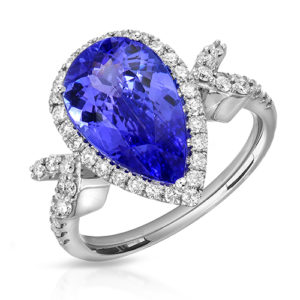
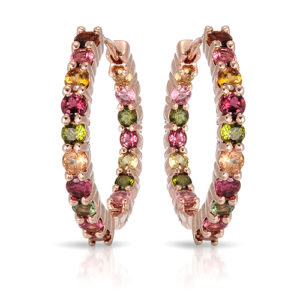
Model photography is not a replacement for precise white-background product images. It is a second visual job. Catalog photography proves the details. On-model photography shows the jewelry in use, communicates who it is for, and helps a collection feel more memorable. For many brands, the strongest product presentation uses both.
When jewelry brands use models strategically
Brands should use models when wearability is part of the selling decision. Earrings, necklaces, rings, bracelets, watches, and layered pieces all benefit from being shown on a person because placement changes how shoppers perceive the item. A 16-inch necklace and an 18-inch necklace may look similar in a cropped product image, but their visual effect at the collarbone is very different.
Models are particularly useful for higher-priced fine jewelry, new collections, bridal pieces, statement designs, and products that need a stronger brand point of view. They also help direct-to-consumer brands create a useful mix of website, email, paid social, and campaign assets from one production day.
For a simple replenishment catalog or a large wholesale assortment, a full model shoot may not be necessary for every SKU. Clean, consistent white-background images can be the better investment when speed, volume, and product comparison matter most. In that case, select a group of hero products for model imagery and keep the rest of the catalog consistent with high-quality product photography.
What models add that product-only images cannot
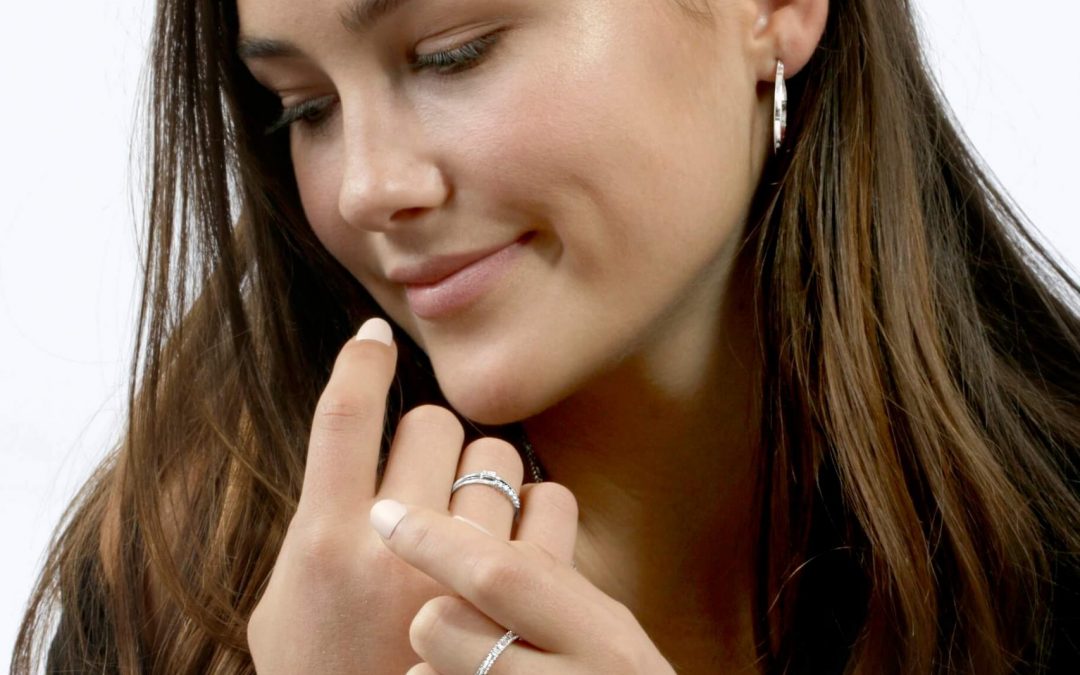
The most practical benefit is scale. Jewelry is difficult to judge online because its dimensions are small and screens vary. A model gives buyers an immediate reference point: how far a drop earring falls, where a pendant rests, whether a tennis bracelet reads delicate or substantial, and how a ring looks across the hand.
Just as important, a model gives the piece a point of view. A polished close-up of a diamond bracelet can communicate craftsmanship, but an image of that bracelet worn with a tailored sleeve or evening dress suggests an occasion and a customer. The right styling can position the same product as everyday luxury, bridal refinement, bold fashion jewelry, or a meaningful gift.
Model images also support better merchandising. A necklace collection can be photographed at several lengths. Stackable rings can be shown alone and in combinations. A jewelry brand can show how a hoop catches the light in profile, then include a close crop that highlights texture, diamonds, or colored gemstones. These images make the collection easier to understand without forcing customers to imagine every detail.
The categories that benefit most
Rings and bracelets are often best photographed on hand models because hand position affects both proportion and perceived comfort. The goal is not a dramatic pose that hides the product. It is a relaxed position that allows the camera to show the setting, band, metal color, and stone size clearly.
Earrings and necklaces generally benefit from face, neck, and upper-body crops. Hair, wardrobe neckline, skin tone, and pose all influence whether the jewelry reads clearly. For gemstone earrings, we often choose an angle that lets the stones receive light while keeping the ear and jawline natural.
Watches need a balance of wrist-on-model imagery and technical product coverage. A model image can communicate scale and lifestyle, while a controlled product image reveals the dial, bezel, bracelet construction, and polished surfaces. One format without the other leaves useful sales information out.
Start with the buyer and sales channel
Before casting a model, decide what the images need to accomplish. A luxury collection launching through a branded website may need refined campaign images with intentional wardrobe, beauty styling, and art direction. A marketplace seller may need clean, close on-model shots that support a listing while keeping the jewelry easy to identify.
The brand’s buyer should guide casting. The model does not need to be an exact demographic match for every customer, but they should make the collection feel credible and aspirational to its intended audience. A minimalist gold brand, a colorful gemstone line, and a heritage-inspired bridal collection may each require a different casting and styling approach.
This decision also affects the crop. Full lifestyle images can be valuable for banners and social media, but they should not be the only deliverable. Product pages usually need closer, more functional views where the shopper can see the item immediately. For many collections, a mix of close jewelry-forward crops and a few wider campaign frames produces the best return.
Plan the shoot around the jewelry, not the other way around
Jewelry-on-model photography requires more control than a standard fashion shoot. Diamonds, polished gold, high-shine silver, and colored gemstones can pick up distracting reflections from skin, wardrobe, studio surfaces, and lighting equipment. The jewelry must remain the focus while still looking naturally worn.
In our Los Angeles studio, we build lighting around the material and cut of each piece. Diamonds need controlled sparkle without harsh blown highlights. Gemstones need accurate color and visible facets. Yellow gold, white gold, rose gold, platinum, and silver each require different reflection management to retain their intended finish. A beautiful pose cannot compensate for poor metal rendering or a stone that looks dull.
Wardrobe should support the collection rather than compete with it. Solid colors, controlled textures, and necklines that frame necklaces are usually more effective than heavily patterned garments. For hands, clean nails and well-prepared skin are essential. Heavy lotion can create unwanted shine, while dry skin can distract from a ring or bracelet close-up.
A shot list keeps production efficient. Identify the hero pieces, the essential angles, the intended crops, and any products that need separate hand-model, neck-model, or full-model coverage. This is especially important when a collection includes variations in metal color or gemstone color. The photography should make each variation clear while preserving a unified visual system.
Catalog consistency still matters
A model campaign should feel connected to the rest of the catalog. If the white-background images are crisp, color-accurate, and tightly cropped, the model images should use comparable metal color, gemstone tone, and retouching standards. Otherwise, a customer may wonder whether they are viewing the same item.
Professional retouching is where much of that consistency is protected. The work should refine temporary skin distractions, wardrobe lint, fingerprints, dust, and stray reflections without making the skin artificial or changing the actual product. Retouching should never alter the stone size, metal color, or construction in a way that misrepresents what the customer receives.
For volume catalogs, repeatability is especially valuable. The model, hand pose, background, crop, and lighting can be standardized across a collection so new products can be added later without making the site look pieced together. This creates a more polished store experience and reduces production decisions on every new launch.
When not to use models
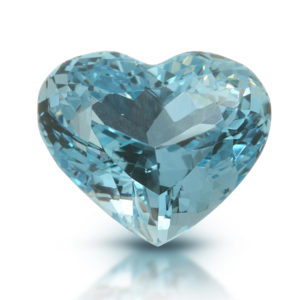
There are situations where model photography is not the first priority. Loose diamonds and gemstones need highly controlled macro imagery that shows color, clarity characteristics, shape, and faceting. Small components, findings, and highly technical watch details also need dedicated product coverage before lifestyle imagery.
Brands with limited launch budgets should usually secure strong catalog photography first. A shopper must be able to inspect the product from useful angles. Once that foundation is in place, model imagery can be added to bestsellers, paid campaigns, seasonal launches, or the collection page.
The trade-off is simple: models increase production value and emotional impact, but they add casting, styling, scheduling, and shot-planning requirements. The right approach depends on how customers shop, how many products are launching, and where the images will appear.
Build a visual set that helps customers decide
The most effective jewelry pages do not ask one image to do everything. Use white-background photography for clarity, detailed angles for material and workmanship, and model images for scale and personality. Add short video or 360-degree coverage when movement, sparkle, or profile is central to the purchase decision.
TN Connections Inc. photographs jewelry-on-model campaigns, hand-model images, and precise catalog photography from the Los Angeles Jewelry District, with nationwide mail-in service for brands that need a specialized production partner. Whether you are launching a fine-jewelry collection or refreshing a high-volume catalog, request a free quote with your product count, intended sales channels, and a few visual references. A clear plan before the shoot is what turns beautiful images into useful selling assets.