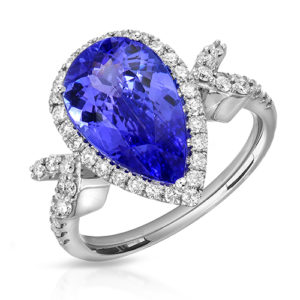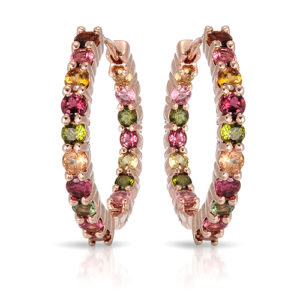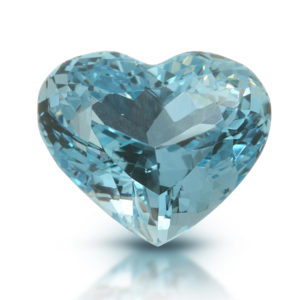
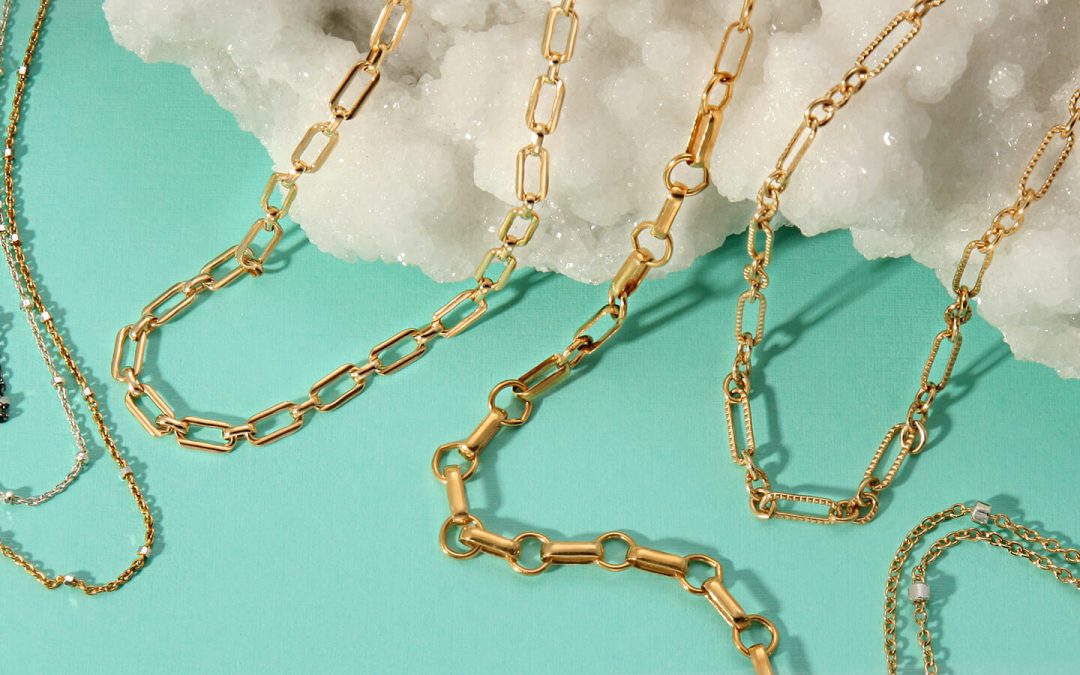
A diamond can look flat, a gold chain can look dull, and a beautifully made ring can appear poorly sized if the image does not do its job. Effective jewelry advertising is not simply about making a product look expensive. It is about giving a shopper enough visual evidence to trust the purchase before they can hold it.
For jewelry brands, retailers, designers, and marketplace sellers, the strongest ads begin with photography built for the selling environment. A clean product image may be what earns the click. A close detail, hand-model image, or short video may be what removes hesitation and turns that click into a sale.
What Makes Jewelry Advertising Work?
Jewelry advertising works when the creative answers a buyer’s practical and emotional questions at the same time. Is this piece refined? Is the diamond bright? Is the gemstone color accurate? How large is it on the hand, neck, or wrist? Does the metal finish look polished and real? Will it fit the lifestyle the customer imagines?
A single beautiful campaign image cannot answer every question. That is why successful jewelry advertising uses a purposeful mix of assets. White-background product photography establishes clarity and consistency. Detail photography reveals craftsmanship. Model photography gives scale and personality. Lifestyle imagery creates desire, while video shows movement, sparkle, and the way a piece catches light from multiple angles.
The right mix depends on where the customer will see the product. A new fine-jewelry collection launching through paid social needs an immediate visual point of view. A wholesale catalog needs accurate, repeatable presentation across hundreds of SKUs. A product page for a diamond engagement ring needs enough close-up detail to support a high-consideration decision.
The image has to earn trust before it earns attention
Jewelry is unusually demanding to photograph because its value is communicated through small visual cues. Poorly controlled reflections can make white gold appear gray. Over-retouching can change gemstone color. A shallow angle can hide a setting’s height or make a stone look smaller than it is.
In our Los Angeles studio, we light metals, diamonds, and gemstones separately in principle, even when they are photographed together. The goal is controlled contrast: clean highlights that define the metal, brilliance that gives diamonds life, and accurate color that lets gemstones remain believable. Professional retouching then refines dust, fingerprints, minor surface distractions, and unwanted reflections without removing the character of the piece.
Build Jewelry Advertising Around the Sales Channel
The same bracelet should not necessarily be photographed the same way for every channel. A product listing, a digital ad, and a homepage banner have different jobs. Planning photography around those jobs prevents expensive reshoots and keeps a collection visually coherent.
| Sales channel | Best image priority | Why it matters | | — | — | — | | E-commerce product page | White background, multiple angles, close details | Gives shoppers a clear view of material, construction, and scale | | Amazon or marketplace listing | Clean compliant hero image and consistent supporting views | Helps products look credible and easy to compare | | Paid social advertising | Creative crop, model image, or short video | Stops the scroll and communicates a distinct brand feeling quickly | | Website homepage or collection launch | Lifestyle campaign image and banner composition | Establishes the collection’s mood and perceived value | | Wholesale catalog | Standardized angles and lighting | Makes a large assortment easy for buyers to review |
For many businesses, the practical solution is to photograph each hero product in a core catalog set, then select the strongest pieces for upgraded creative content. That approach protects the budget while ensuring the collection still has polished material for advertising.
White-background images are the foundation, not the whole campaign
White-background photography is often treated as basic, but it is where catalog credibility is built. Every item should have comparable scale, angle, shadow treatment, color, and retouching quality. When a customer moves from one product page to another, the collection should feel organized and intentional.
For volume jewelry catalogs, consistency also makes production faster and more cost-effective. Once the lighting recipe and angle standards are approved, a studio can maintain them across future drops, restocks, and new colorways. This is especially valuable for manufacturers, wholesalers, and established retailers with recurring photography needs.
At the same time, a white-background image is rarely the best lead creative for a luxury campaign. It proves the product, but it may not communicate the emotion of the brand. A fine jewelry collection can benefit from a more dimensional hero image, whether that means carefully directed shadow, a hand-model composition, or a refined lifestyle scene.
Show Scale Without Creating Confusion
Scale is one of the biggest reasons shoppers abandon jewelry purchases. A close macro photograph can make a delicate pendant look substantial. A wide image can make an important center stone appear smaller than it is. Advertising should create desire without misleading the buyer.
Hand-model and jewelry-on-model photography solve this problem elegantly. A ring on a hand reveals finger coverage, setting height, and proportion. Earrings on a model show drop length and how they frame the face. Necklaces become easier to understand when shoppers can see the chain length and pendant placement.
Models also add context, but the styling needs discipline. For a luxury brand, the wardrobe, skin finish, nails, pose, and crop all influence perceived value. For commercial jewelry, the image may need to be simpler and more direct. The right choice depends on price point, audience, and the visual language already established by the brand.
Use Video Where Movement Adds Proof
Still images remain essential, but jewelry video can answer questions that photographs cannot. A 360-degree ring video shows profile, prongs, gallery work, and light performance in one controlled view. A short product video can show the fluid movement of a chain, the clasp on a bracelet, or the sparkle of a diamond as it turns.
Video is particularly useful for high-value pieces and social advertising, where motion can earn attention quickly. However, it should be purposeful. Fast cuts, exaggerated sparkle effects, or heavily filtered footage can undermine a premium product. A concise, high-resolution rotation or a carefully composed model clip is often more persuasive than a complicated production.
Retouching Should Protect the Product’s Integrity
Jewelry retouching is not a generic cleanup service. It requires judgment about what should be corrected and what should remain visible. Dust, lint, fingerprints, and distracting reflections should disappear. Diamond facets should look crisp, not artificially painted. Gemstones should retain their natural color character, including the subtle differences that distinguish one stone from another.
For advertising, retouching must also work across an entire collection. If one yellow-gold ring is warm and another appears pale, shoppers may question whether the products belong together. If every diamond is edited to look identical, the work can lose credibility. The objective is polished realism.
This matters even more when brands sell across a website, social media, print materials, marketplaces, and retail displays. High-resolution source files and carefully prepared crops give a marketing team room to adapt images without weakening their quality.
Plan the Shoot Before the Collection Arrives
The most efficient advertising production starts with a shot plan. Identify the products that need full catalog coverage, the hero pieces that deserve creative art direction, and the assets required for launch. Decide which angles are non-negotiable and whether model, lifestyle, or video content will be needed at the same time.
For a ring collection, a practical baseline may include a straight-on view, a three-quarter angle, a profile view, a top detail, and a hand-model image for selected styles. For earrings, the plan may include paired front views, individual details, and on-model scale. There is no universal number of images, because stone size, setting complexity, price point, and sales channel all change the answer.
TN Connections Inc. works with local clients from the Downtown Los Angeles Jewelry District and with nationwide mail-in projects, helping brands define that coverage before photography begins. Whether the job is a luxury launch or a recurring e-commerce catalog, the studio can match existing visual standards or create a new consistent direction. Volume pricing can start at $12 per image when applicable, with requirements confirmed through a personalized quote.
The best jewelry advertising does not ask shoppers to imagine quality. It lets them see it in the metal, the stone, the proportions, and the finish. Request a free quote to plan photography that gives your collection the attention it deserves and your customers the confidence to buy.