
A shopper cannot feel a ring’s weight, test a clasp, or watch a diamond move under light through a product page. Your images have to answer those questions for them. That is why jewelry listing essentials are not simply a white background and a product name. They are a repeatable visual system that makes each piece look desirable, accurate, and worth buying.
For a jewelry business, the strongest listing combines clear catalog photography, honest specifications, and enough close detail to remove hesitation. The right approach depends on your sales channel and price point, but every listing needs images that represent metal, gemstones, craftsmanship, color, and scale without surprises.
Jewelry Listing Essentials Start With Accurate Product Images
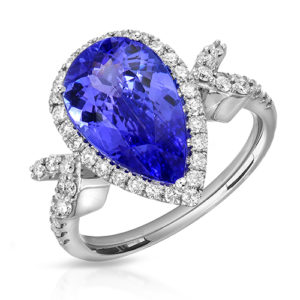
The hero image earns the click, but the supporting images earn confidence. A buyer looking at a fine diamond pendant wants to see brilliance without blown-out highlights, the true warmth or coolness of the gold, the chain construction, and the scale of the piece. A wholesale buyer may care just as much about consistency across 300 SKUs.
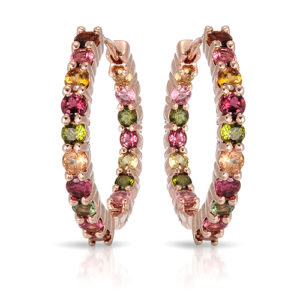
Photography must be designed around the material. Diamonds need controlled light that reveals sparkle and facet definition without turning into a field of white glare. Colored gemstones need color-managed lighting and careful exposure so a sapphire does not look black or a pale morganite does not turn overly pink. Polished gold, silver, and platinum reflect everything around them, including the camera, studio walls, and unwanted dark shapes. Controlling those reflections is the difference between jewelry that appears refined and jewelry that appears flat or poorly finished.
At minimum, build each listing around a clean main image, multiple informative angles, a detail view, and a scale reference when the product’s size is not obvious. For most catalog pages, five to seven still images give shoppers useful coverage without repeating nearly identical views.
Choose angles that answer buying questions
Do not select angles just because they look attractive in a contact sheet. Each frame should reveal something new. A front view communicates overall design; a three-quarter angle shows depth and stone setting; a side profile reveals band thickness or earring construction. For necklaces and bracelets, show the clasp, chain, length, and any adjustable elements.
| Image angle | What it helps a shopper evaluate | Best use |
|---|---|---|
| Front hero view | Overall design, center stone, silhouette | Every listing |
| Three-quarter view | Depth, setting height, metal finish | Rings, pendants, earrings |
| Side or profile view | Band width, gallery, construction | Fine rings and statement pieces |
| Macro detail | Prongs, pavé, engraving, texture | Luxury and craftsmanship-led collections |
| Scale image | Proportion and wearability | Small studs, stackable rings, delicate chains |
| Back or clasp view | Function and finishing | Earrings, necklaces, bracelets |
A high-value piece often benefits from more detail images. A simple commercial stud earring may not. The goal is useful information, not image count for its own sake.
Use Consistent White-Background Catalog Photography
White-background photography remains the foundation of most jewelry ecommerce catalogs because it keeps attention on the piece and makes a collection easy to browse. It also works across brand websites, marketplaces, line sheets, paid ads, and retailer submissions. But plain does not mean careless.
Every item should sit at a consistent scale, visual position, crop style, and background value. If one ring is large and centered while the next is tiny and low in the frame, the collection feels disorganized before a shopper reads a word. Matching the direction of light and shadow matters as well, particularly when new products must blend into an existing catalog.
In our Los Angeles studio, we set lighting and camera standards before volume production begins. That initial setup protects catalog consistency from the first SKU to the last, whether we are photographing a designer capsule collection or an ongoing wholesale inventory. It also makes future shoots easier to match.
For marketplace sellers, image requirements can be stricter than a brand’s own site. A pure white hero image may be required, while lifestyle or model imagery belongs in secondary positions. Build the base catalog first, then create channel-specific crops and content from the same approved visual direction.
Show Color, Scale, and Condition Honestly
Jewelry photography should make a piece appealing, but it cannot promise something the customer will not receive. Over-brightening yellow gold until it looks nearly white, deepening a gemstone beyond its natural color, or digitally enlarging a small pendant creates avoidable returns and damages trust.
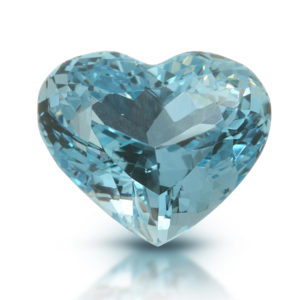
Accurate representation is especially important for gemstones, diamonds, and one-of-a-kind pieces. Loose-stone sellers may need views that show facet pattern, transparency, inclusions, and face-up color. Fine jewelry brands may prefer a more polished luxury finish, yet the stone still needs to look plausible under normal viewing conditions. These are not competing goals when lighting and retouching are handled properly.
Scale deserves the same attention. Include precise dimensions and, where helpful, a hand-model, neck-model, or ear-model image. Model photography gives buyers an immediate sense of proportion and personality that a floating product image cannot provide. It is particularly useful for hoops, statement earrings, layered necklaces, cuffs, and rings with substantial setting height.
Retouching Should Refine, Not Redesign
Professional retouching is part of jewelry listing production, not an optional repair step. Even a well-lit raw image can show dust, fine scratches, uneven reflections, thread, wax residue, or small visual distractions created during handling. High-resolution retouching removes those distractions and gives the product a clean, finished appearance.
The standard should be selective refinement. We remove dust and temporary marks, clean backgrounds, balance exposure, correct distracting reflections, and maintain a consistent presentation across the catalog. We do not erase meaningful construction details or alter a gemstone into a different product. For luxury work, retouching may also include careful stone enhancement and metal shaping, but it should preserve the identity of the actual piece.
Ask your production partner what is included before approving a shoot. Basic cleanup may suit high-volume commercial jewelry. A diamond-heavy bridal collection, intricate pavé, or reflective watch can require more involved retouching and a longer image review. The cost is different because the labor is different.
Pair Product Stills With the Right Supporting Content
A complete listing does not need every content format. It needs the formats that reduce friction for your shopper and support your brand position. White-background stills are the non-negotiable base. Beyond that, choose purposefully.
A 360-degree jewelry video is excellent for rings, watches, and sculptural pieces because it reveals dimension and light movement. A short product video can show how a bracelet catches light or how a clasp functions. Model photography adds scale and emotional context. Lifestyle campaign images are most valuable on collection pages, launch emails, banners, and social media, where the priority is brand atmosphere rather than product inspection.
For a high-volume catalog, it may be smarter to photograph every SKU on white and reserve model or video production for bestsellers. For a luxury collection with a small number of high-ticket pieces, art-directed imagery and motion can be worth the additional investment. The right mix depends on margin, assortment size, and where customers make their final decision.
Build Listings That Are Easy to Shop
Great photography cannot compensate for missing product details. Place the visual evidence next to clear, factual copy: metal type and purity, gemstone type, total carat weight when applicable, dimensions, chain length, ring sizing, closure type, care guidance, and what is included with purchase. If a stone’s color or natural characteristics vary, say so plainly.
Keep naming and image order consistent across the catalog. Use the same sequence for comparable products whenever possible: hero, alternate view, side, detail, back, then scale or model. This small discipline helps shoppers compare items faster and gives retail buyers a more professional experience.
Before publication, review listings on both desktop and mobile. Macro details that look impressive on a large monitor may become unreadable on a phone. Crop with mobile product grids in mind, and make sure the hero image remains recognizable at thumbnail size.
A Production Workflow That Protects Your Inventory
For valuable pieces, the photography process should be organized from intake through return shipping. Confirm SKU counts, capture requirements, reference images, priorities, and desired delivery dates before the collection reaches the studio. For remote projects, send a detailed inventory and insure shipments appropriately. For local clients, working directly in Downtown Los Angeles can make approvals and product handoffs especially efficient.
A practical shoot plan also separates must-have catalog images from optional creative assets. That prevents a launch from being delayed because every product is waiting on an elaborate campaign setup. TN Connections photographs luxury fine jewelry and volume ecommerce catalogs with jewelry-specific lighting, professional retouching, and qualifying volume pricing starting at $12 per image when applicable.
Before your next collection goes live, put the hero image beside the physical piece and ask one straightforward question: would a first-time buyer feel accurately informed and excited to purchase? If the answer is not clearly yes, request a free quote and build a listing system that makes every product easier to trust.