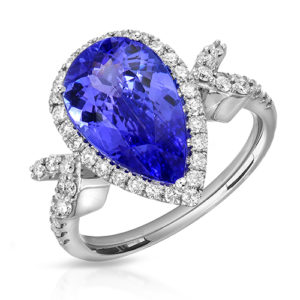
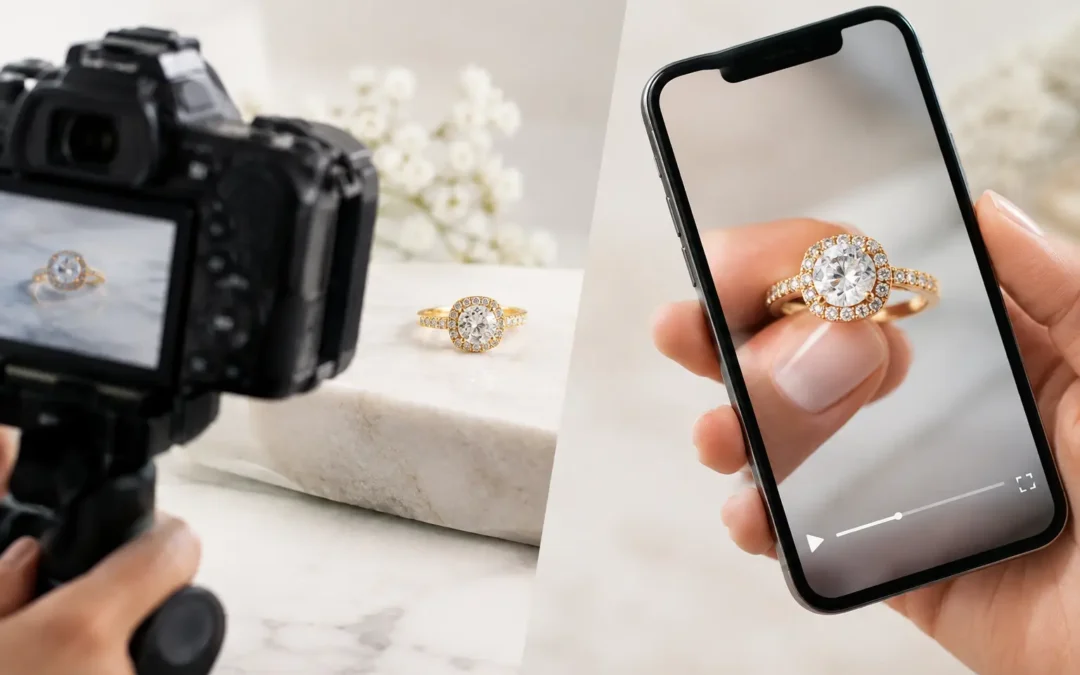
A diamond can look flat in a poorly lit video, while a single well-retouched still can reveal its cut, fire, and setting with immediate clarity. That is why the product video versus photography decision for jewelry is not a question of which format is better. It is a question of what a shopper needs to see before they trust the piece enough to buy it.
For most jewelry businesses, photography should be the foundation. Video is the high-value addition that shows movement, sparkle, scale, and craftsmanship when those details help close the sale. A strong product page often needs both, but they do different jobs.
Product Video Versus Photography: The Short Answer
Use professional product photography for your core catalog, product listings, marketplaces, line sheets, and paid advertising. Still images give shoppers the clean detail they need to inspect a ring, compare metal colors, zoom into a setting, and make decisions across an entire collection.
Use video when the piece changes meaning in motion. A tennis bracelet needs to flex. A pavé necklace needs to catch light as it moves. A diamond engagement ring benefits from a controlled rotation that shows profile height, prong work, and brilliance. Video also gives a new collection more presence on social media, landing pages, and launch campaigns.
The practical answer for many brands is simple: invest first in consistent white-background photography, then add 360-degree videos or short product videos to hero pieces, higher-priced designs, bestsellers, and new launches.
What Still Photography Does Best
Jewelry photography gives a shopper time. They can study the details at their own pace, zoom in, compare options, and return to the image as often as needed. This matters especially for e-commerce, where a customer cannot hold the piece in their hand.
In our Los Angeles studio, we use jewelry-specific lighting to shape metal reflections rather than letting gold, silver, or platinum turn into distracting bright streaks. We light diamonds and gemstones to show their personality without creating misleading flashes or losing facet definition. The goal is not simply a bright image. It is a credible, desirable representation of the actual piece.
Photography is also more efficient for catalog-scale work. A retailer with 300 SKUs needs visual consistency across every product: similar angle choices, scale, shadow treatment, background color, cropping, and retouching standards. This consistency makes a storefront easier to shop and makes the brand look established, even when the collection includes many price points.
Still images work particularly well for:
- White-background product pages, Amazon listings, wholesale presentations, and marketplace requirements
- Detail images of clasps, engravings, side profiles, gallery work, stone settings, and watch components
- Side-by-side comparisons of metal colors, carat weights, lengths, and gemstone options
- Editorial campaigns where composition, styling, and art direction need to be controlled precisely
For high-end jewelry, retouching is a major part of the result. Professional retouching removes dust, minor scratches, and distracting reflections while preserving the true structure of the piece. It should never erase craftsmanship or make a gemstone look like something it is not.
Where Product Video Earns Its Place
Video communicates what still photography cannot: movement over time. It shows how a chain drapes, how an earring swings, how a bracelet sits on the wrist, and how a gemstone responds as light moves across its facets.
This is especially useful when shoppers hesitate because they cannot judge scale or wearability. A short hand-model clip can show the width of a band far better than a measurement alone. A necklace video can clarify length and layering potential. For a watch, a controlled video can reveal dial texture, bracelet articulation, and the quality of the finish.
A 360-degree jewelry video is often the most commercially useful video format because it stays focused on the product. The customer sees a complete rotation against a clean background, without the visual noise of a lifestyle shoot. It can answer practical questions about depth, setting height, side profile, and construction before they become reasons to abandon a cart.
Social product videos serve a different role. They need a strong opening moment, purposeful lighting, and a clear emphasis on the details that make the design distinctive. A quick clip of a gemstone catching light can stop a scroll, but it should still represent the stone accurately. Excessive effects, colored lighting, or aggressive filters may generate attention while reducing buyer confidence.
Photography and Video Compared for Jewelry
| Need | Photography | Product Video |
|---|---|---|
| Detailed inspection | Best choice for zoom, close-ups, and comparing features | Helpful for overall construction, but small details move quickly |
| Large catalogs | Efficient and consistent across many SKUs | Better reserved for selected products or higher budgets |
| Marketplace listings | Often essential and easier to meet image requirements | Useful as supplemental content when supported |
| Diamond sparkle and gemstone behavior | Shows controlled color, clarity, and facet detail | Shows scintillation and light response in motion |
| Scale and wearability | Strong with hand-model or on-model images | Excellent for showing movement, fit, and drape |
| Social media launches | Strong for carousels, ads, and polished campaign posts | Strong for short-form attention and product storytelling |
| Long-term flexibility | Easy to crop, resize, retouch, and reuse | Requires more production and editing for multiple formats |
The budget difference is real. Video requires additional capture time, lighting adjustments, motion control, editing, color correction, and export versions for each sales channel. For a growing business, trying to make a video for every SKU can pull budget away from the high-resolution images the store needs first.
Choose Based on the Product and Sales Channel
A delicate solitaire ring deserves detailed stills from several angles, including a top view, side profile, and close-up of the setting. Add a 360-degree video when the ring has significant value, an intricate gallery, a substantial center stone, or a profile that is difficult to understand in flat images.
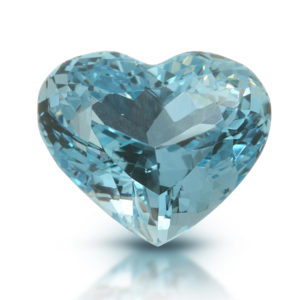
For gemstone dealers, photography generally carries more weight. Buyers need to assess hue, saturation, tone, cut, inclusions, and facet pattern. A video can supplement the listing by showing brilliance and transparency, but it should not replace accurate stills taken under controlled lighting.
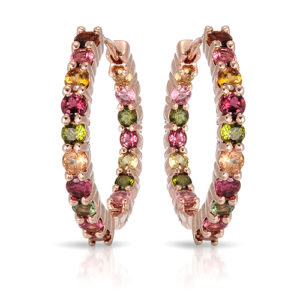
For fashion jewelry, catalog photography remains the workhorse. Clean images can be produced consistently and economically for high-volume inventories. Video is most valuable for designs with fringe, movement, layered chains, bold texture, or a clear styling story.
For luxury campaign work, the balance can shift. A creative still image may establish the visual identity of a collection, while video brings emotional energy to a launch. Neither replaces the other. The campaign creates desire; the clean product assets help the customer validate the purchase.
A Smart Content Mix for Most Jewelry Brands
Start with the images your buyers and selling platforms expect. For each core SKU, that usually means a front-facing hero image, alternate angles, close details where relevant, and a scale image or model image for pieces whose dimensions are difficult to judge.
Then identify the products that deserve motion. Prioritize higher-ticket items, bestsellers, new designs, pieces with exceptional stone play, and jewelry where shape or flexibility is a selling point. This approach lets a brand use video where it can have a measurable commercial impact rather than treating it as a costly default.
Consistency matters across both formats. If the photography is clean, accurate, and premium but the video has mismatched color, harsh glare, or a different background treatment, the collection can feel fragmented. The same visual standards should carry from the product page to a social clip, email banner, and wholesale presentation.
Production Details That Affect the Result
Jewelry is small, reflective, and unforgiving. A minor lighting change can shift the perceived color of yellow gold, obscure a diamond’s facets, or make polished metal look dull. Video introduces another challenge: lighting must remain controlled through movement, not just in one perfect frame.
This is why jewelry video should be planned around the product, not captured as an afterthought. The rotation speed, camera angle, background, light position, and final platform all affect whether the video feels refined or merely busy. A ring that looks excellent at one angle may need a different rotation path to prevent the center stone from going dark.
For remote projects, brands can ship collections to a specialized studio and receive a consistent asset package without needing to coordinate a local production crew. For Los Angeles Jewelry District clients, working directly with a studio also makes it easier to review samples, discuss art direction, and build a repeatable look for future releases.
TN Connections Inc. helps jewelry brands build that foundation with high-resolution photography, jewelry retouching, 360-degree videos, and product content designed around how customers actually shop. Whether you need a refined luxury launch or an affordable, consistent catalog for recurring inventory, request a free quote with your SKU count, preferred angles, and sales channels.
The best asset is the one that removes the next question in a buyer’s mind. Let still photography prove the details, and let video show the moment the jewelry comes alive.