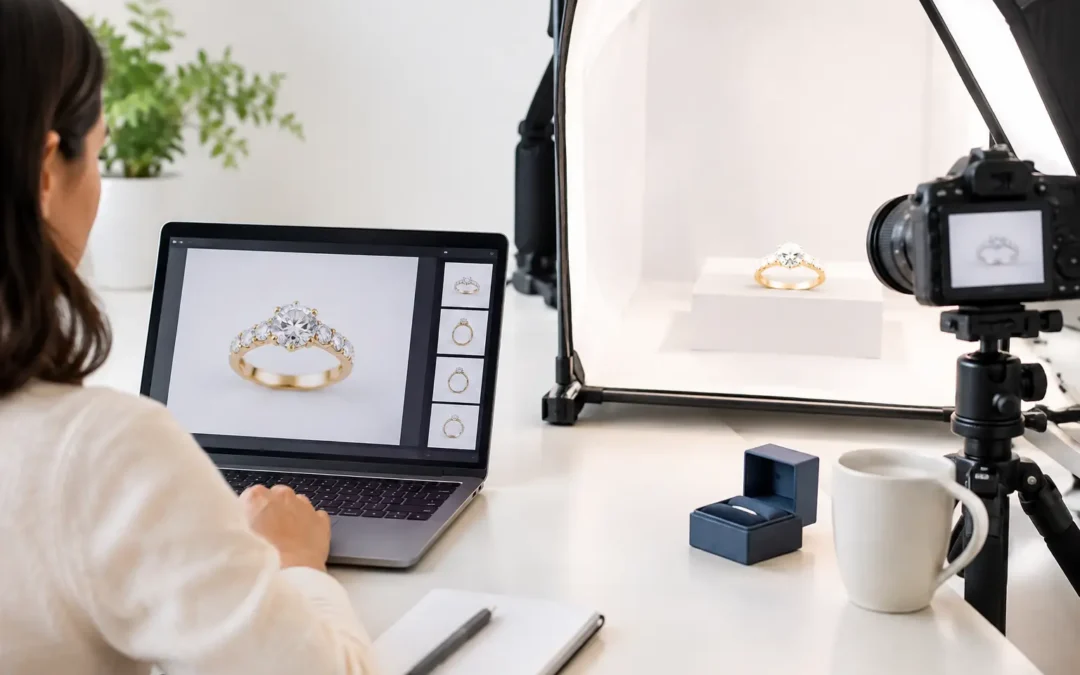
A remote jewelry photography process lets you send a collection to a specialized studio, approve the visual direction from anywhere, and receive finished, sales-ready images without needing to attend the shoot. For brands outside Los Angeles, it is often the most efficient way to get jewelry-specific lighting, high-resolution macro detail, and professional retouching while keeping internal production time low.
The process works best when the studio understands that a diamond ring is not a typical product. Metal picks up every unwanted reflection. Gemstones need light that reveals cut and color without creating blown-out highlights. A pendant must look dimensional while still matching the rest of a catalog. Those details are what turn a mail-in project into a dependable extension of your creative team.
What happens before you ship your jewelry
A successful project begins with a clear production plan, not a shipping label. Before sending pieces, decide where the images will appear: a Shopify product page, wholesale line sheet, Amazon listing, social campaign, print lookbook, or luxury collection launch. Each use calls for a slightly different approach to framing, background, cropping, and retouching.
At TN Connections, our Los Angeles studio starts by reviewing the collection, the number of pieces, desired image types, reference photography, and delivery deadline. A designer launching a first collection may need front-view white-background images plus a few campaign hero shots. A manufacturer with hundreds of SKUs may need a repeatable angle system that keeps every product aligned and cost-effective.
This is also the right time to identify non-negotiables. If an established brand has a recognizable white background, shadow style, crop ratio, or stone color treatment, send examples. Matching an existing catalog is possible, but it requires a reference standard rather than a vague request to make the images “look similar.”
Choose the image mix before production
White-background photography is the foundation for most e-commerce jewelry. It gives shoppers a clean view of the product and makes a catalog feel organized. However, it does not always communicate scale, personality, or luxury positioning on its own.
Many brands combine clean product images with hand-model or jewelry-on-model photography. A model can show how an earring sits, how a bracelet fits, or how substantial a necklace appears when worn. Creative lifestyle images can give a collection its campaign identity, while 360-degree jewelry video is especially useful for pieces with intricate settings, movement, or strong side profiles.
The right combination depends on your sales channel and budget. A high-volume wholesale catalog may prioritize consistent stills. A fine-jewelry launch may benefit from fewer products photographed at a more art-directed level. There is no advantage in paying for elaborate campaign imagery when a marketplace requires clear, compliant product views, and there is no advantage in using only flat catalog shots when a premium brand needs visual distinction.
Preparing and shipping valuable pieces
Jewelry should arrive clean, organized, and easy to identify. Fingerprints, polishing residue, loose tags, and mismatched product codes slow production and can create unnecessary questions during retouching. While a photographer can remove minor dust and imperfections digitally, clean pieces allow more time for careful lighting and detail work.
Place each item in its own labeled pouch, bag, or compartment. Include a packing list with SKU numbers, product names, metal colors, stone details, and any instructions that matter for accurate representation. If a ring has a particular engraving, an adjustable chain has a preferred length, or a gemstone must be shown from a specific orientation, say so before the pieces arrive.
For valuable collections, use a trackable, insured shipping method and require a signature at delivery. Keep photographs and records of the contents before shipment. These simple steps create a clear chain of custody and give both the sender and studio an accurate reference if a question arises.
Remote projects do require trust and planning. If you are working with one-of-a-kind high-value pieces, you may prefer to send the collection in smaller batches or begin with a test group. That approach can be especially useful for a new relationship, complex color-matching requirements, or a large catalog that will be photographed over several production rounds.
How jewelry is photographed in the studio
Once the collection is checked in, the visual decisions become highly technical. Jewelry photography is largely a process of controlling reflections. Gold, silver, platinum, polished bezels, and faceted stones all respond differently to light. The goal is not simply to make everything bright. It is to create controlled highlights that define shape, preserve metal texture, and make the piece feel valuable.
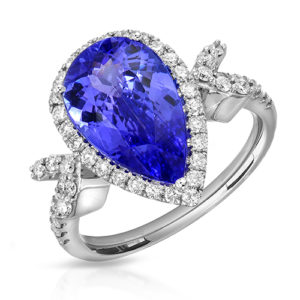
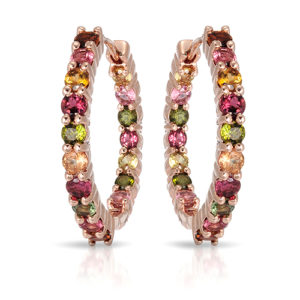
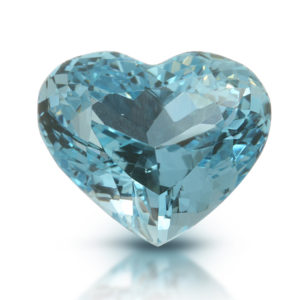
In our Downtown Los Angeles studio, we use jewelry-specific lighting and macro techniques to capture fine prongs, pavé settings, engravings, chain links, and gemstone facets. Diamonds need contrast and carefully placed sparkle. Colored stones need faithful color without becoming too dark or overly saturated. Pearls need soft dimensional light. Watches often require special attention to crystal glare, polished cases, dials, and bracelet links.
Angles are selected for how shoppers evaluate each product. Rings commonly need a straight-on hero view, a profile view that shows the setting, and a detail angle when the side design is a selling feature. Earrings may need both a pair view and individual close-ups. Necklaces require a presentation that keeps the chain attractive and the pendant correctly proportioned.
Consistency matters as much as individual beauty. If a customer sees ten products on a category page, the images should feel like one collection: similar scale, centered placement, background, sharpness, and shadow treatment. Catalog consistency helps shoppers compare items quickly and makes a growing inventory look professionally managed.
Retouching is where accuracy is protected
Professional jewelry retouching should improve the image without changing the product. It can remove dust, minor scratches, temporary manufacturing marks, and distracting reflections. It can refine a background, balance exposure, and bring attention back to the gemstone or metalwork. It should not turn a warm champagne diamond into an icy white stone or make a delicate ring look heavier than it is.
This balance is particularly important for diamonds, gemstones, and luxury pieces. Shoppers expect a polished image, but they also expect the jewelry delivered to resemble what they saw online. Accurate metal tone, stone color, proportions, and visible craftsmanship support buyer confidence and reduce disappointment after purchase.
For commercial catalogs, retouching can be streamlined to keep volume pricing practical. For premium campaign work, the same process may involve more detailed cleanup and art direction. The difference is not that one collection deserves care and another does not. It is that the intended use, image count, and brand standard determine how much post-production is appropriate.
Review, revisions, and final delivery
A well-managed remote project includes an approval point before final delivery. Review a representative set of images for crop, background, product orientation, color, and overall style. If a particular angle does not communicate the design, it is far easier to address it during review than after an entire collection has been finalized.
When providing feedback, be specific. Comments such as “make it more luxurious” are difficult to apply consistently. A better direction is: “Use a tighter crop like the reference image,” “Show more brilliance in the center stone,” or “Keep the yellow gold warmer across the catalog.” Clear feedback protects turnaround time and helps create a reusable standard for future shoots.
Final files should be delivered in formats and dimensions that fit the intended channels. High-resolution master files are useful for print, zoom features, banners, and future campaigns. Web-ready versions help keep e-commerce pages fast. Crops for marketplaces, social media, and paid ads may need separate planning, especially when one image must serve several placements.
For recurring collections, keep the original product references, approved samples, and shot specifications on file. The remote jewelry photography process becomes faster and more consistent after the first project because the visual system is already established.
A practical option for nationwide jewelry brands
Remote photography is not a compromise when it is handled by a studio that works with jewelry every day. It gives nationwide brands access to specialized macro photography and retouching without coordinating travel, renting a set, or training an internal team to light reflective products.
For local clients, the Los Angeles Jewelry District location makes in-person drop-offs, art direction meetings, and urgent collection updates convenient. For brands across the United States, a carefully planned mail-in project can deliver the same disciplined production process, from check-in through final image delivery. Volume pricing may be available for qualifying catalog projects, with photography starting at $12 per image when applicable.
If your current jewelry images feel inconsistent, flat, or difficult to scale, request a free quote with your product count, sample references, and desired deadline. The strongest place to begin is with a small, clearly defined collection that gives your customers a reason to look closer.