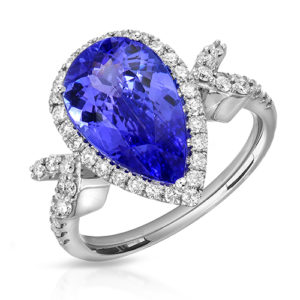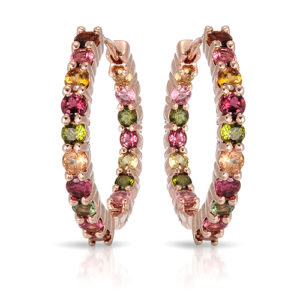
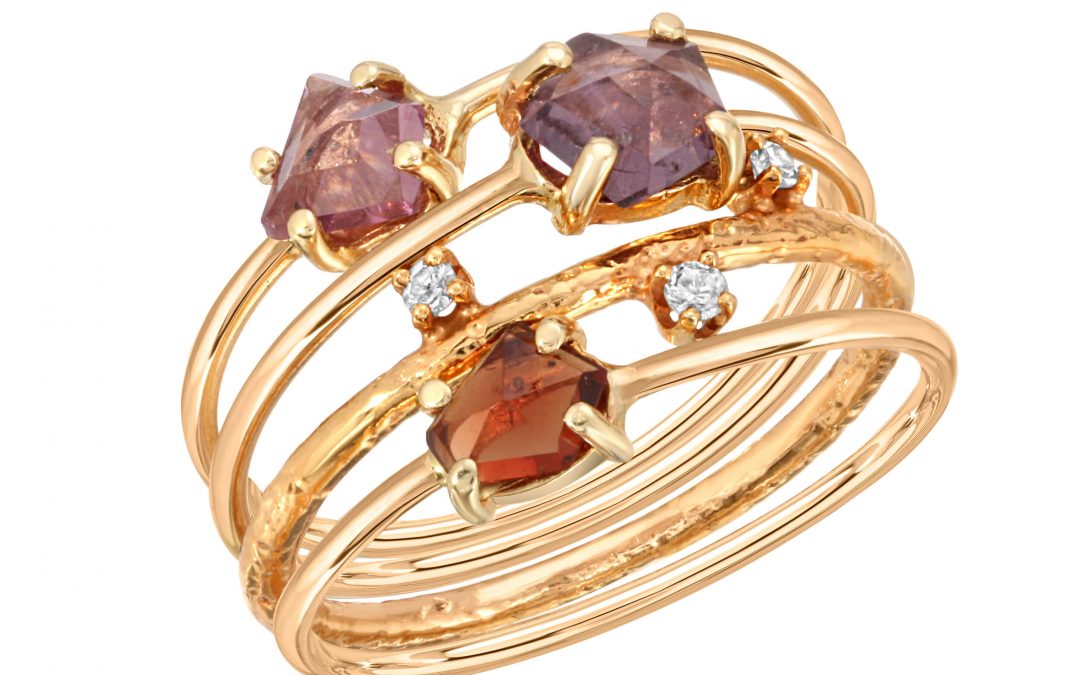
A ring can look exceptional in person and still underperform online if the shopper cannot answer a few basic questions: How high does it sit? What does the side profile look like? Does the metal reflect warm or cool? Which jewelry views increase conversions comes down to removing those doubts with images that show the piece clearly, accurately, and beautifully.
For most e-commerce jewelry listings, the strongest conversion mix is a clean front view, an angled beauty view, a side or profile view, a close-up detail, and a scale view on a hand, ear, neck, or wrist. Add 360-degree video when the shape, setting, or craftsmanship benefits from movement. The exact set depends on the product and price point, but one polished hero image rarely carries the entire sale.
Which Jewelry Views Increase Conversions for Product Pages?
The views that convert best are not simply the prettiest photographs. They are the photographs that let a shopper inspect an item as confidently as possible without holding it. Fine jewelry customers are especially careful with proportion, stone quality, finish, and setting details. A complete image set should answer those concerns before they become a reason to leave the page.
| View | What the shopper learns | Best use |
|---|---|---|
| Straight-on catalog view | Overall design, color, and silhouette | The main listing image and collection grids |
| Three-quarter angle | Dimension, brilliance, and metal contour | Rings, pendants, earrings, and watches |
| Side or profile view | Height, gallery work, clasp, and thickness | Engagement rings, hoops, bangles, and statement pieces |
| Macro detail | Prongs, pavé, engraving, facets, and texture | High-value pieces and craftsmanship-led collections |
| On-model or hand-model view | Real-world scale, styling, and fit | Rings, earrings, bracelets, necklaces, and stacks |
| 360-degree video | Movement, depth, and all-around construction | Sculptural jewelry, watches, and premium hero products |
A white-background catalog image is usually the right first view because it is fast to understand and keeps the product consistent across a collection. It works well on Shopify stores, wholesale line sheets, Amazon listings, and marketplace galleries. But it should not be the only view when profile, scale, or material detail matters.
Start With the Angle That Shows the Design
The first image should make the product recognizable at a glance. For a solitaire ring, that often means a slightly elevated three-quarter angle rather than a flat top view. It reveals the center stone, the shoulders, and enough of the band to communicate proportion. For stud earrings, a direct front view may be stronger because the face of the stone is the primary selling feature.
This is where jewelry-specific lighting matters. Diamonds need controlled highlights that show life without washing out the facets. Polished gold and silver need shaped reflections, not random studio glare. Gemstones need color that feels accurate rather than oversaturated. A generic product-photo setup often makes metal look dull or stones look black. The correct angle and lighting approach work together.
For collections, consistency is also a conversion tool. If every ring is photographed from a different height or every necklace has a different crop, shoppers spend more effort decoding the catalog. A consistent visual system makes comparison easier and gives the brand a more established, trustworthy presentation.
The Three-Quarter View Often Does the Heaviest Selling
For many pieces, the three-quarter view earns its place as the strongest secondary image. It gives a ring depth, shows the curve of a bracelet, and reveals whether a pendant has a substantial presence or a delicate profile. It also creates natural specular highlights on metal that a straight-on image may miss.
There are exceptions. A very flat medallion pendant may need a direct image first. A tennis bracelet may need a wider view that shows its continuous stone pattern. The goal is not to apply one camera angle to every SKU. It is to choose an angle that expresses the design's defining feature.
Show the Profile Before Shoppers Have to Ask
Profile images are particularly valuable for rings. A customer considering an engagement ring wants to see basket height, prongs, gallery detailing, under-gallery openings, and how the center stone rises above the finger. Those features affect appearance, comfort, and daily wear.
The same principle applies to hoops, cuffs, watches, and layered necklaces. A profile image can reveal a hoop's thickness, a cuff's opening, a watch case's depth, or a chain's construction. These are not decorative extras. They reduce uncertainty about what arrives in the box.
For commercial jewelry catalogs, one profile view may be enough. For luxury or design-led pieces with elaborate craftsmanship, a closer crop can justify the premium by showing work that is easy to overlook in a full-product frame.
Use Macro Images to Prove Quality, Not Hide It
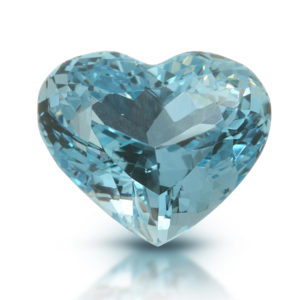
Close-up photography increases confidence when it is used honestly. A macro view can show diamond facets, pavé setting, milgrain, hand engraving, colored-stone character, or the texture of a matte finish. For gemstone dealers, it can also help buyers assess color distribution and cutting detail.
Retouching should polish the presentation without changing the product. In our Los Angeles studio, we remove distracting dust, minor handling marks, and unwanted reflections while preserving the true character of the stone and metal. Over-retouching can create a problem of its own: if the item appears materially different when received, return risk rises.
For diamonds and gemstones, include a detail view only when it adds useful information. Extreme magnification can make inclusions or surface texture look more dramatic than they appear to the eye. The framing should communicate craftsmanship and beauty, not create a misleading inspection image.
Scale Views Convert Interest Into Intent
Jewelry is difficult to size from a product-only image. A 7 mm stud, a 1.5-carat solitaire, and a 16-inch necklace all benefit from a realistic scale reference. On-model photography and hand-model photography give that reference while showing how a piece fits into a customer's life.
A hand model is particularly effective for rings, bracelets, and stackable pieces because it answers several questions at once: visual scale, band width, stacking potential, and overall style. Ear shots help customers understand drop length and earring proportion. Neck and torso images show where a necklace sits, which is more useful than a ruler graphic alone.
Model imagery also gives a brand personality. A luxury campaign may call for art-directed styling and carefully selected talent, while an e-commerce catalog may need clean, repeatable hand shots that keep the attention on the product. Both can convert well. The better choice depends on whether the page needs aspiration, comparison clarity, or both.
When 360-Degree Jewelry Video Is Worth Adding
A 360-degree jewelry video is most valuable when still photography cannot fully explain shape. It performs especially well for rings with intricate galleries, watches, sculptural earrings, wide bands, chain bracelets, and pieces with strong sparkle or moving components.
Movement changes how gemstones and metal read. A short rotation can show scintillation in diamonds, reveal the depth of a setting, and demonstrate that a clasp or articulated link is thoughtfully made. It can also make a high-ticket product feel more tangible before purchase.
That said, 360 video does not replace clean stills. Shoppers still need a crisp hero image for browsing and a detailed still image they can pause on. For a large volume catalog, use video selectively on bestsellers, new launches, premium price points, and designs with distinctive construction. This keeps production efficient while directing investment where it can have the greatest commercial impact.
Build Image Sets Around Product Type and Sales Channel
The right number of images depends on what you sell and where you sell it. A simple pair of gold studs may only need a front image, an angled view, and an ear-scale image. A diamond engagement ring sold direct to consumers may need six to eight stills plus rotation video. Marketplace requirements may prioritize white-background clarity, while a brand website can use campaign images to support mood and higher perceived value.
For a dependable baseline, photograph the product front, three-quarter, profile, detail, and on-model when scale is relevant. Then add lifestyle imagery for launch pages, banners, social content, and editorial use. This gives one photography project more commercial range without forcing every product page to carry unnecessary imagery.
TN Connections Inc. photographs luxury fine jewelry, growing designer collections, and high-volume e-commerce catalogs from the Los Angeles Jewelry District. We can match an existing catalog system or develop a practical shot list around your products, sales channels, and turnaround needs, with volume pricing available when applicable.
Before your next launch, review your top product pages as a shopper would. If you cannot judge the stone, profile, scale, and finish from the images alone, that missing view is likely the one worth photographing next. Request a free quote to build a jewelry image set that gives customers a clearer reason to buy.