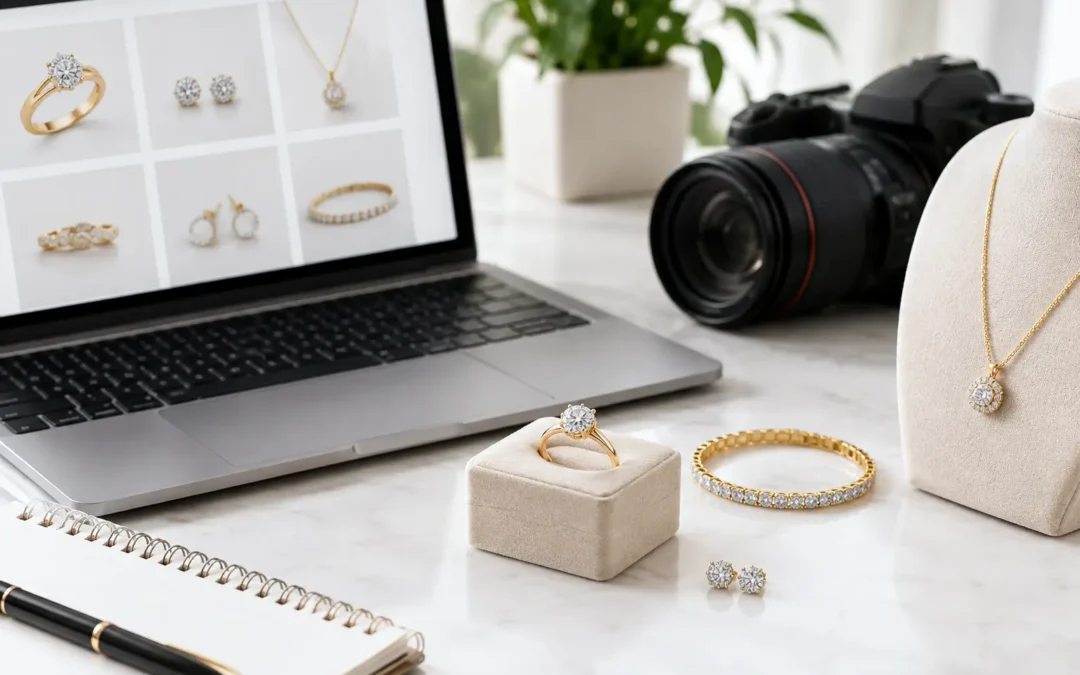
A wholesale jewelry imaging case study is most useful when it shows more than a pretty before-and-after. It should explain how a consistent visual system helps buyers evaluate product quickly, helps sales teams present a collection professionally, and gives a wholesale catalog the polish needed for retailer portals, line sheets, marketplaces, and direct-to-consumer sites.
For wholesale jewelry, the challenge is not photographing one exceptional ring. It is creating hundreds of accurate, appealing images that look like they belong together, even when the collection includes different metals, stones, silhouettes, and price points. This representative case study illustrates the approach we use for volume jewelry catalogs in our Los Angeles studio.
The Wholesale Jewelry Imaging Case Study
The client was a growing jewelry wholesaler with a broad commercial collection: gold-tone and silver-tone earrings, necklaces, bracelets, rings, and gemstone-accented pieces. Their inventory was strong, but the existing photography had been created over several seasons. Some pieces appeared warm, others cool. Chain details disappeared into white backgrounds. Polished metal showed distracting reflections, and similar products had been photographed at noticeably different scales.
The business needed a catalog that could serve several jobs at once. Retail accounts needed clean images for product selection. The internal sales team needed consistent assets for line sheets and presentations. The e-commerce team needed files suitable for online product pages, marketplaces, email, and social media.
The answer was not to apply the same generic setup to every item. Wholesale production works when the process is standardized where it should be standardized and adjusted where jewelry demands it.
The objective: consistency without making every piece look flat
The initial brief centered on three priorities: a clean white-background catalog, accurate metal and stone color, and fast enough production to support a seasonal launch. The client also wanted the collection to feel more premium without turning a high-volume project into a campaign-level production budget.
That trade-off matters. A luxury hero image may justify extensive art direction, complex compositing, and multiple hours of retouching. A catalog image needs to be attractive and technically precise, but it also has to be repeatable across dozens or hundreds of SKUs. The right production level depends on the product value, selling channel, and how closely customers inspect the imagery.
Building a Photography System Before the First Shot
Before photography began, we organized the inventory by product category, metal finish, and stone type. This made it possible to establish consistent camera height, framing, shadow treatment, and file naming before the collection reached the set.
For rings and earrings, we selected angles that showed the face of the piece first, then its depth and profile. For necklaces and bracelets, the priority was preserving the shape of the chain while keeping clasps, texture, and surface detail visible. A bracelet photographed too tightly can look like a narrow strip of metal. A necklace photographed too loosely can lose its proportion and visual impact.
Scale was another important decision. We created framing guidelines so comparable items occupied a similar amount of the frame. That sounds simple, but inconsistent scale can make a catalog feel disorganized and can confuse retail buyers comparing styles side by side.
Lighting metal, stones, and polished surfaces
Jewelry lighting is a controlled reflection problem. Metals do not simply need more light. They need the right reflections in the right places. A broad soft source can make a polished bangle look dull, while a poorly placed highlight can turn a clean gold surface into a distracting white streak.
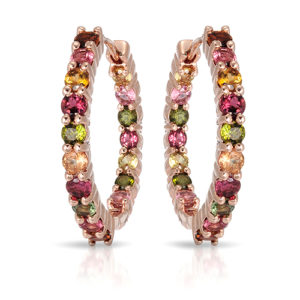
In our Los Angeles Jewelry District studio, we use jewelry-specific lighting adjustments to define edges, preserve the metal’s finish, and keep surface reflections controlled. Gold-tone pieces required warmth without becoming orange. Silver-tone pieces needed clean tonal separation from the white background. For pieces with clear crystals and colored stones, we adjusted the light direction and contrast to reveal facets and color without creating blown-out highlights.
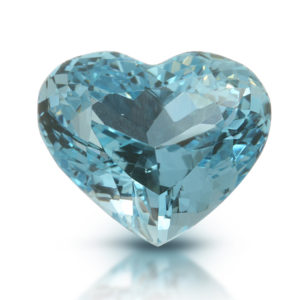
This is especially relevant for wholesalers selling gemstones or diamond jewelry. A stone should appear lively, but it should not be photographed in a way that misrepresents its color, clarity, or size. Accurate representation builds confidence with retail partners and end customers alike.
Retouching That Supports Sales, Not Artificial Perfection
Professional jewelry retouching was essential to the project, but the goal was disciplined correction rather than heavy manipulation. Each final image received cleanup for dust, fingerprints, minor surface distractions, and small production imperfections. We refined backgrounds to a consistent white and balanced exposure across the catalog.
Retouching also addressed issues that are common in jewelry photography: uneven metal tone, rough edges on chains, visible adhesive or supports, and tiny marks that become obvious in high-resolution product images. However, we retained the true character of each item. Over-retouching can make plating look like solid gold, make stones look larger than they are, or erase texture that a buyer will see in person.
For a wholesale catalog, credibility has commercial value. The image needs to make the jewelry appealing while helping a retailer understand what will arrive in the box.
The Image Set Chosen for Each SKU
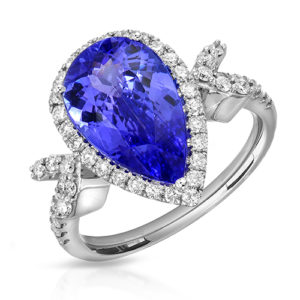
Not every product needed the same number of images. Simple stud earrings could be clearly understood with a front view and a close detail. A ring with a raised setting benefited from a face-on view, side profile, and angled view. Layered necklaces needed an additional image to show how the pendant sat against the chain.
The client’s final image plan followed this practical structure:
- Primary white-background image for the catalog grid and wholesale portal
- Detail or alternate angle for products with texture, stones, or dimensional settings
- Profile image for rings, cuffs, and statement pieces where depth influenced purchase decisions
- Selected short 360-degree video assets for higher-value styles and sales presentations
This approach avoided paying for unnecessary angles on basic pieces while giving more complex designs the visual explanation they required. It also made the catalog easier for buyers to browse. The primary image stayed familiar from product to product, while alternates answered the questions a single photo could not.
Production Results: A Catalog That Looks Like One Collection
Once the collection was photographed and retouched, the change was immediately visible in grid view. Instead of competing white points, inconsistent crops, and varying metal color, the catalog presented a unified product line. The pieces looked more intentional because the photography gave them a shared visual standard.
That consistency also reduced friction for the client’s team. Files were organized by SKU, delivered in high resolution, and prepared for multiple uses. Retail buyers could compare related designs more easily. The sales team had a cleaner asset library for presentations. The e-commerce team no longer had to work around mismatched crops and backgrounds when building product pages.
The commercial lesson is straightforward: good wholesale imagery does not have to be extravagant, but it must be dependable. When every item is photographed with repeatable lighting, accurate color, thoughtful angles, and professional retouching, the catalog becomes easier to use and easier to trust.
When Wholesale Photography Needs a Different Approach
A uniform white-background system is usually the best foundation for wholesale catalogs, but it is not the entire visual strategy for every brand. Fine jewelry collections with high ticket values may need additional close-ups, creative campaign imagery, hand-model photography, or videos that show sparkle and scale. Fashion jewelry sold in volume may benefit most from efficient, consistent primary images and a smaller number of enhanced assets for featured styles.
It depends on where and how the jewelry sells. A retailer portal requires clarity. A luxury brand launch may require emotion and art direction. Amazon and other marketplace listings may need specific views that make materials, dimensions, and closures easier to understand. The strongest programs often begin with a disciplined catalog foundation, then add campaign or model photography where it has the greatest sales impact.
TN Connections photographs wholesale, fine, and commercial jewelry for businesses that need both visual quality and practical production support. We work with Los Angeles clients directly and manage nationwide mail-in projects for collections that need a reliable photography partner.
If your current catalog was built over multiple seasons, or if a new collection needs a consistent visual standard from day one, request a free quote with your SKU count, product types, desired angles, and deadline. A clear production plan can turn a box of inventory into a catalog buyers are ready to browse.